 Cart:
Cart: 

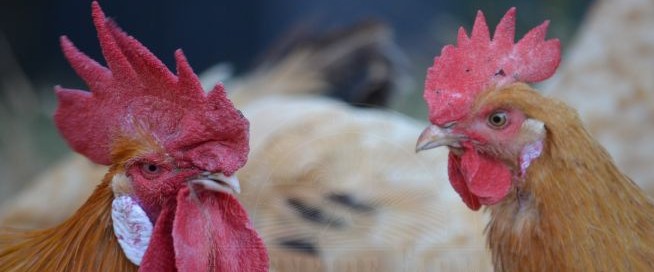
A rare gem from Belgium, the Vale of Haspengouw combines showstopping beauty with remarkable utility. Celebrated for their hardiness, charm, and striking plumage, these birds are as captivating in the yard as they are productive in the nest, making them an irresistible addition for any serious poultry enthusiast!
| Item | 1+ | Quantity |
|---|---|---|
| Vale of Haspengouw Day-Old Chick Unsexed | 39.00 | |
| Vale of Haspengouw Eggs | 12.00 | Sold Out |
Breed History
The Vale of Haspengouw, also known as Gele van Haspengouw, is a rare and distinguished Belgian landrace with deep roots in the country’s rich agricultural heritage. Emerging in the early 20th century, it traces its origins to the neighboring provinces of Namur and Liège, nestled within the fertile Haspengouw (Hesbaye) region. Renowned for its rolling orchards, rich farmland, and centuries-old farming traditions, Haspengouw has been one of Belgium’s most important agricultural centers since before the days of the Roman Empire.
Known in French as the Hoen van Gembloux or Fauve de Hesbaye, the first detailed descriptions of this breed appeared in 1905, when Belgian agricultural writers and poultry specialists began documenting regional breeds with greater precision. E. Maréchal, writing in the May 1905 issue of Union Avicole, provided one of the earliest and most thorough accounts. He noted how the Vale’s yellow feathering set it apart from the darker, more common barnyard fowl of the Namur province, highlighting both its distinct appearance and its established presence in local farmyards. That same year, the breed was further examined in the Bulletin du Cercle d'Étude des Agronomes de l’État, where an official breed standard was outlined. These formal recognitions helped solidify the Vale’s status as a recognized regional variety, rather than a mere farmyard curiosity.
By the 1930s, the Vale saw a dramatic decline, overshadowed by the rise of more commercialized breeds as industrial agriculture advanced through the mid-20th century. Come 1950, the Vale of Haspengouw was considered completely extinct. It was then that recovery efforts began, with poultry experts aiming to recreate the breed. Although the exact foundational breeds used in this recreation were never thoroughly documented, many believe that yellow Italian chickens were crossbred to help reestablish the Vale’s signature traits.
Today, modern Vale chickens are descendants of this reconstruction effort, and remain extremely rare in Belgium. Modern conservation efforts aim not only to preserve its genetic traits but also to honor the agricultural traditions that produced it. The Vale of Haspengouw stands as a living link to Belgium’s pastoral past: a breed shaped by the land, tended by generations of farmers, and remembered through the careful historical records of early poultry scholars.
Appearance and Behavior
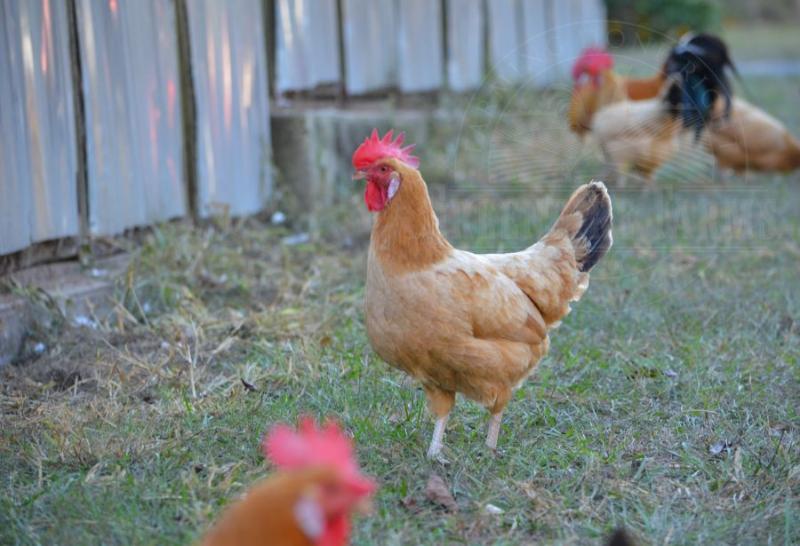
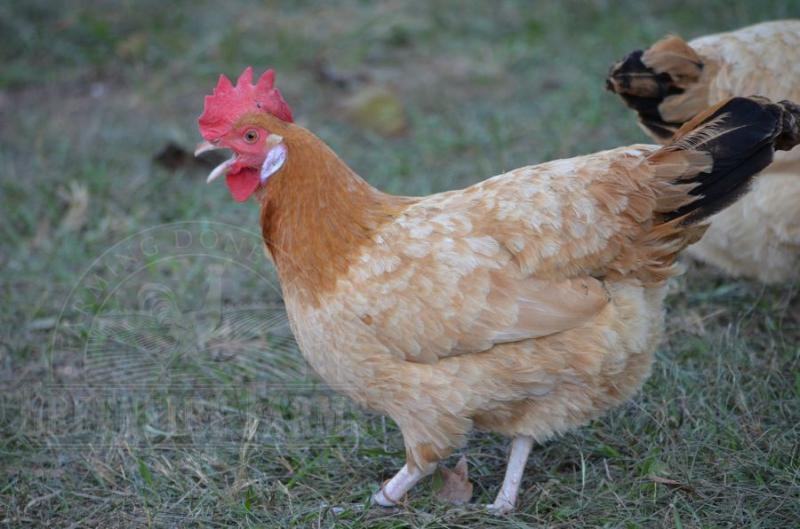
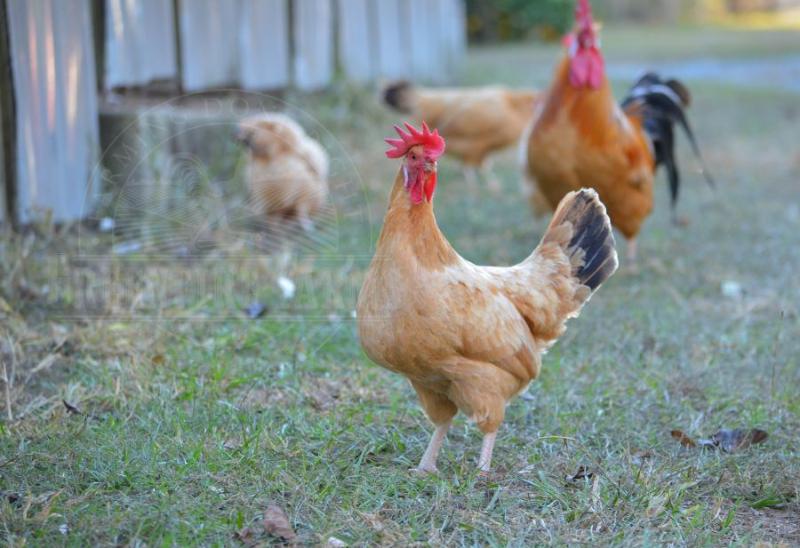
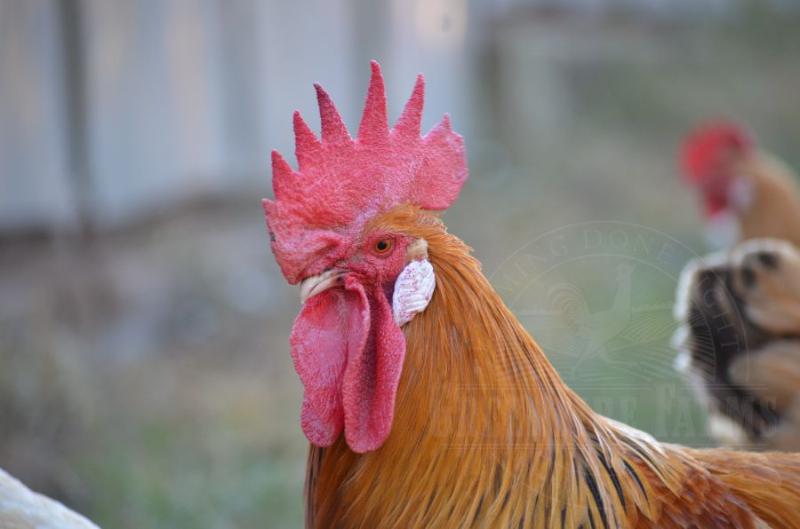
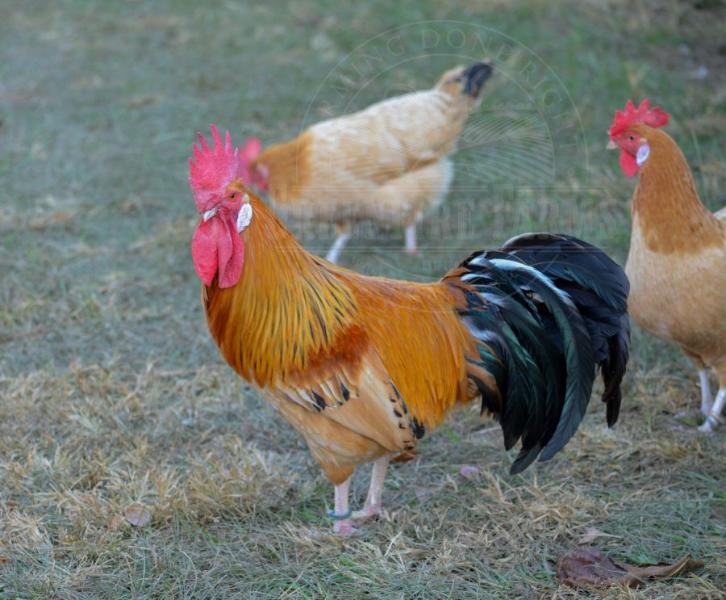
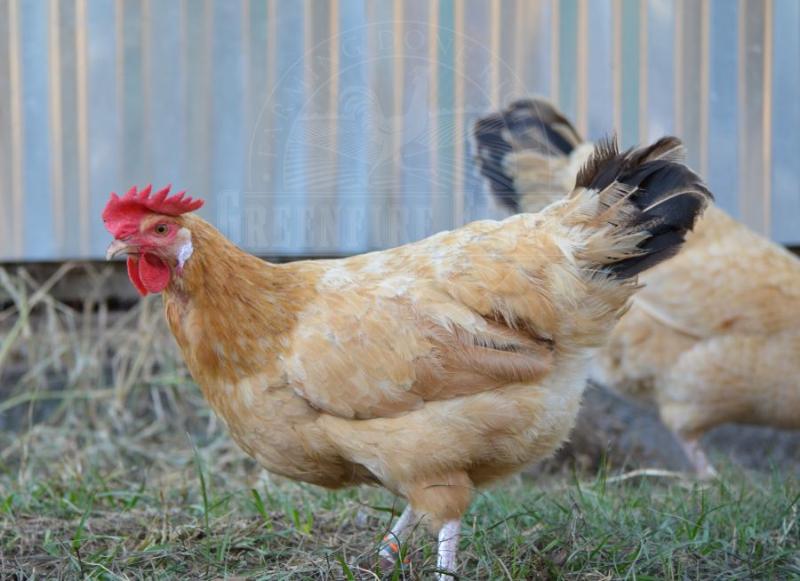
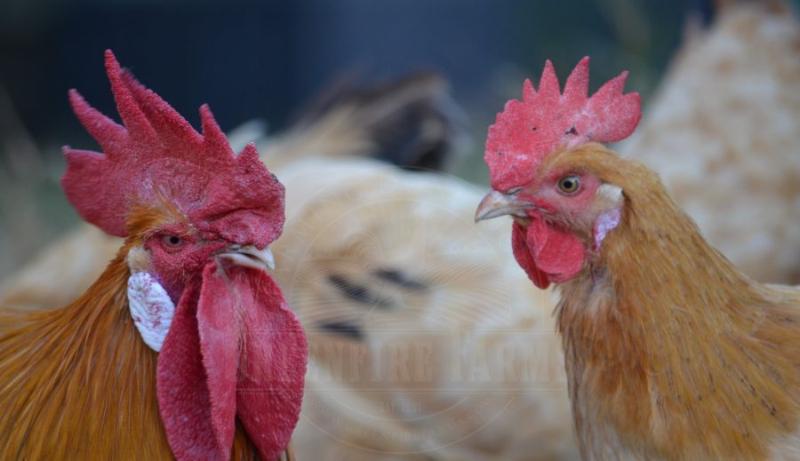
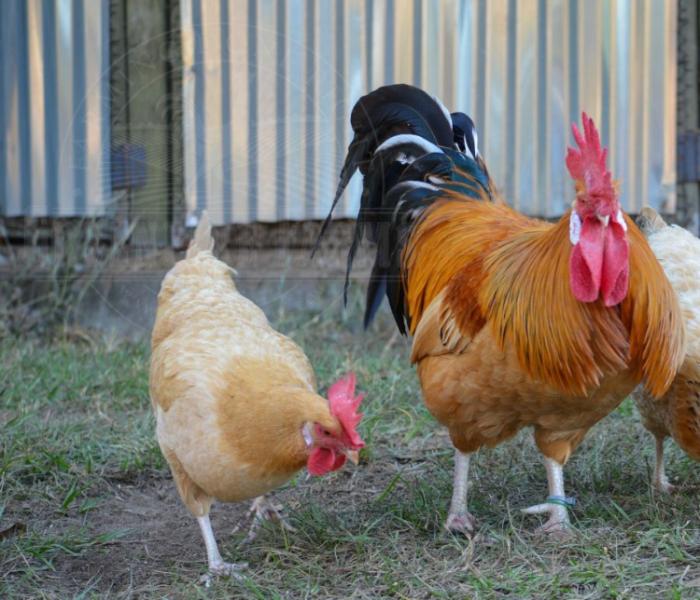
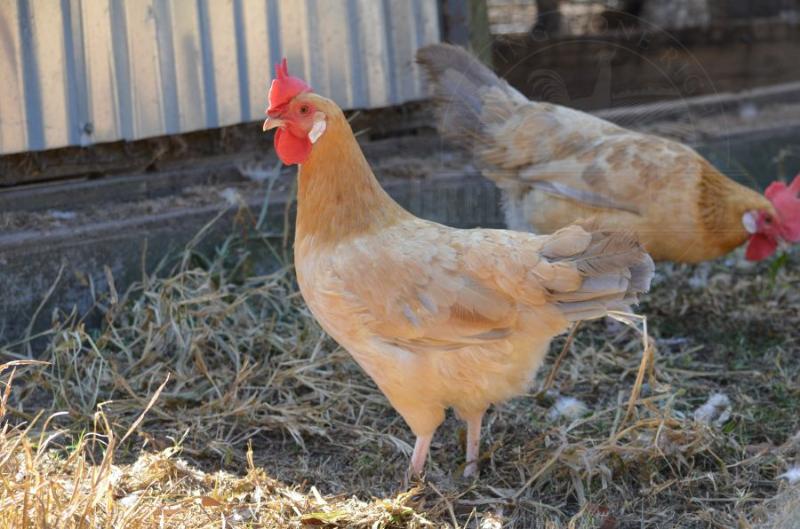
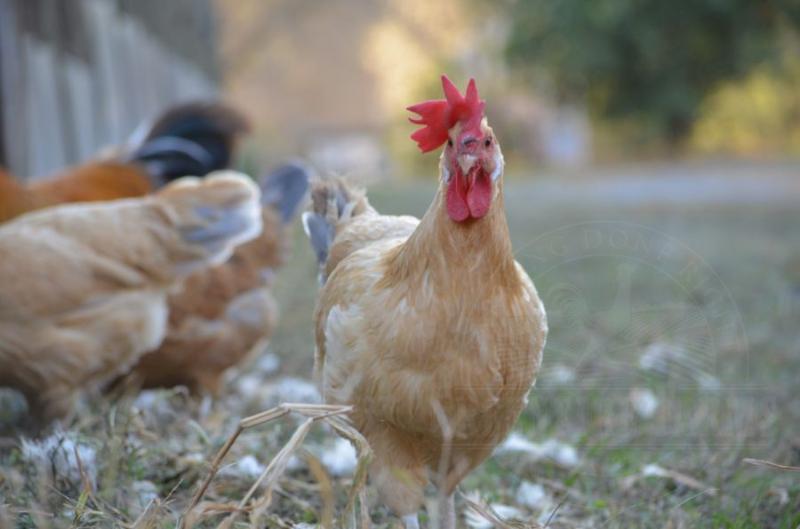
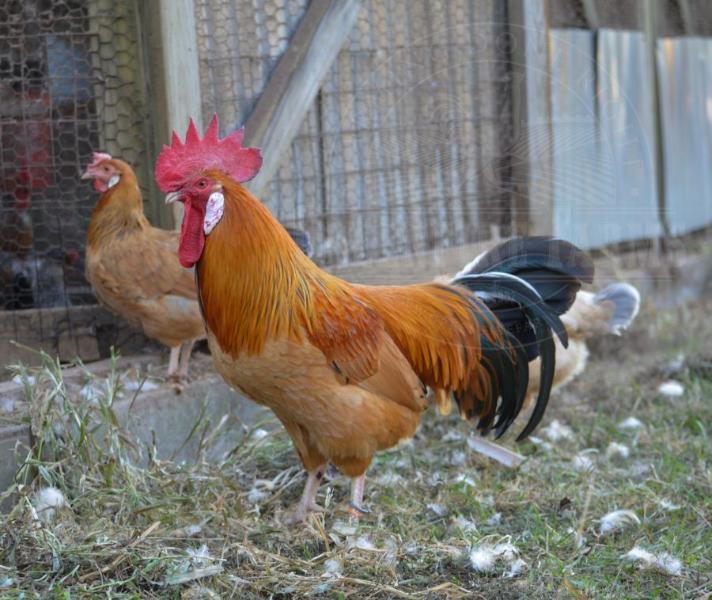
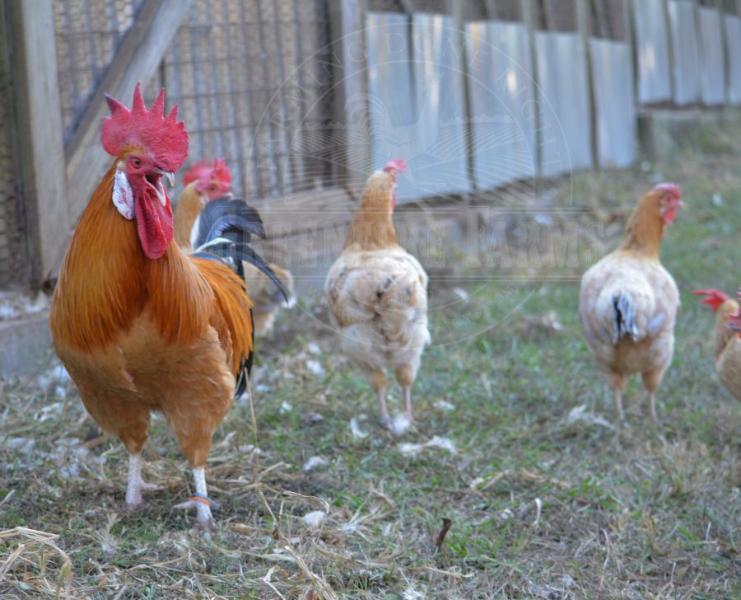
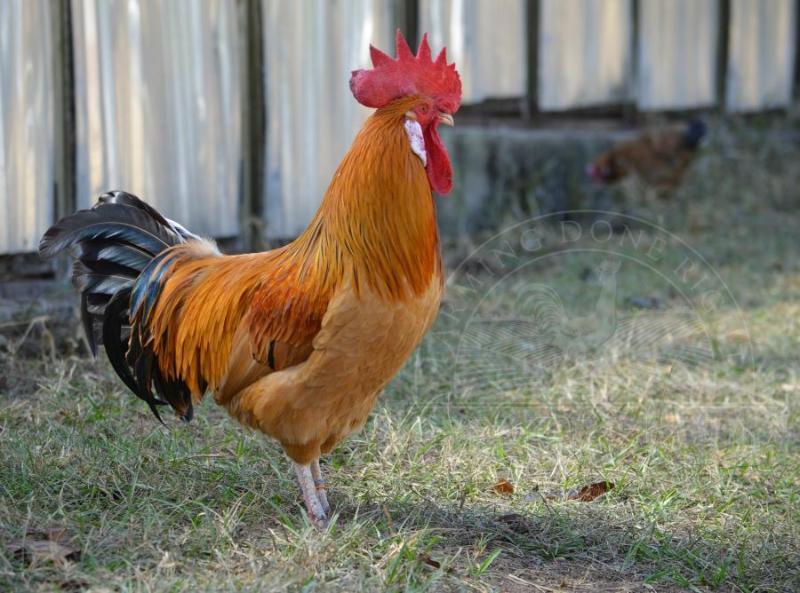
The Vale of Haspengouw is immediately recognizable by its warm, golden-yellow plumage; a hallmark trait that sets it apart even in its earliest historical accounts. Both hens and roosters display striking black tail feathers, crisp white earlobes, and clean, pearl-colored legs. Their medium, well-balanced build reflects their roots as practical, hardworking farmyard birds rather than ornamental show fowl. While the breed is characterized by a straight single comb, hens often sport a charming, slightly tilted comb that adds to their rustic appeal.
In recent years, a blue variety of the Vale of Haspengouw has been introduced. These birds share all of the distinctive characteristics of the traditional Vale, but with blue (or soft grey) tail feathers in place of the standard black. Although this color variety has not yet been formally accepted, dedicated breeders are actively working toward its recognition. At our farm, we maintain two separate flocks for each color, with primary emphasis placed on preserving and refining the classic black-tailed line.
Behaviorally, the Vale of Haspengouw is observant, alert, and naturally adaptable - qualities that allowed them to thrive in the diverse agricultural environment of the Haspengouw region. These birds are hardy, active foragers, who thrive when given the freedom to roam, where their alert and curious nature becomes most apparent. Their strong instincts, shaped by generations of practical farm selection, contribute to their resilience and make them capable, self-sufficient birds when kept in free-range environments.
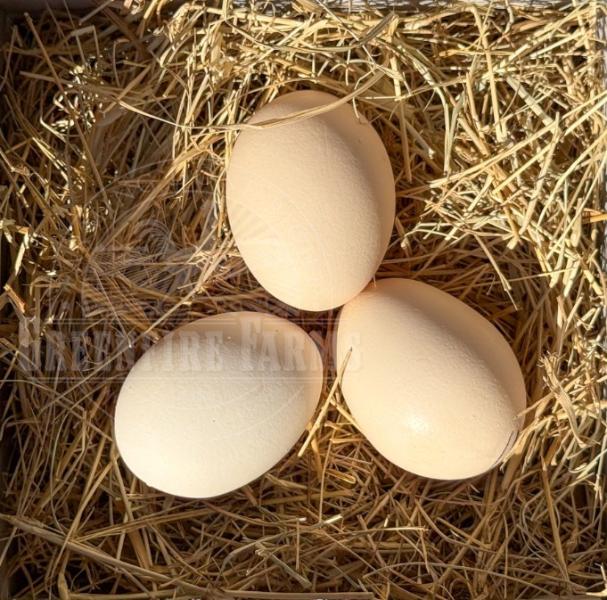
The Vale tend toward the flightier side, a trait that can be advantageous when free-ranging, as they are quick to seek higher ground when a threat appears. We’ve found a rooster-to-hen ratio of 1:10 works well for this active breed. Hens seldom go broody, and those that do tend to be easily startled off the nest; something to keep in mind if you’re hoping for a dependable setter. Vale hens are prolific layers of medium to large, tinted eggs and typically yield around 180-200 eggs per year!
Altogether, the Vale of Haspengouw is a bird built for utility - vigorous, adaptable, and visually distinctive - embodying the understated elegance and hardworking spirit of the traditional Belgian countryside!
Breed Standard
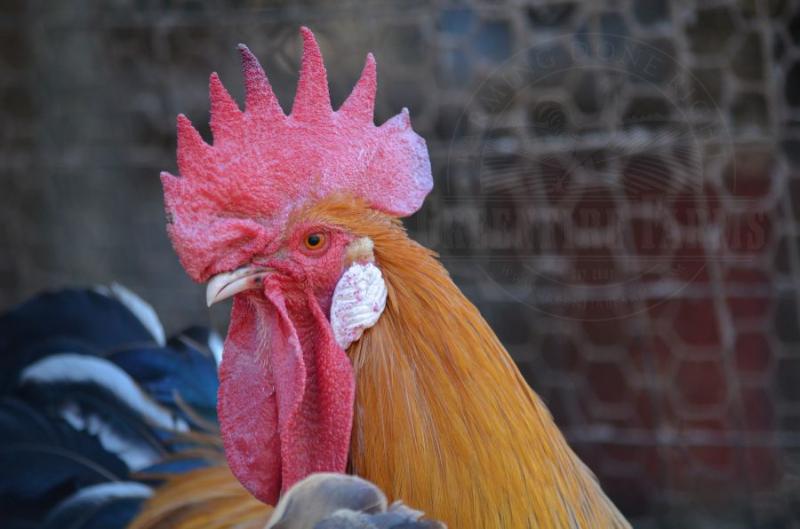
The Vale of Haspengouw is distinguished by its striking yellow plumage, beautifully contrasted by a black, iridescent tail that shimmers with hints of green. Roosters display a prominent, upright single comb and long, elegant wattles, while hens typically have a straight comb that often tilts slightly to one side. The breed possesses a fairly rectangular, well-proportioned body, carried atop clean, pearl-colored legs.
For a more detailed overview of the Vale of Haspengouw breed standard, visit the link below! Just note that you’ll need to translate the page into English.
https://www.sle.be/sites/default/files/Rasfiche%20Vale%20van%20Haspengouw_1.pdf
Hatching Eggs
We incubate at 99.5°F and 55% humidity. We’ve noticed the Vale generally hatch right on schedule around day 21, although a few chicks may take an extra day. Typically, we achieve an 80-90% hatch rate from both of our Vale of Haspengouw flocks.
Defects
When hatching Vale of Haspengouw eggs, each chick should be thoroughly examined for feathers on the leg. This trait is not consistent with the breed standard, and any birds exhibiting it should be excluded from breeding programs.
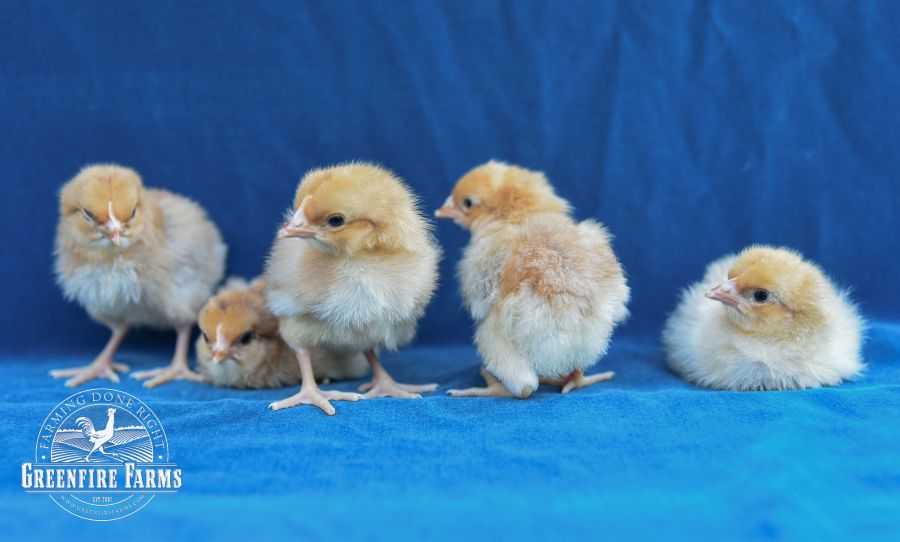
Additionally, chicks that hatch with a brown “chipmunk” stripe often develop non-standard coloration in their hackles and elsewhere on the body. Only chicks that hatch with predominantly yellow undertones should be retained for breeding flocks.
Notes
Day-old Vale of Haspengouw chicks will be available in limited numbers as we continue to expand our flocks. As noted, we maintain both the traditional black-tailed Vale and the newer blue-tailed variety, though our primary focus remains on developing and preserving the black-tailed line.
Import Notes
Greenfire Farms imported the Vale of Haspengouw from a Belgian breeder in 2023. Since then, we’ve been focused on expanding our flock and preserving exceptional genetics to share with fellow poultry enthusiasts!
The Vale of Haspengouw, also known as Gele van Haspengouw, is a rare and distinguished Belgian landrace with deep roots in the country’s rich agricultural heritage. Emerging in the early 20th century, it traces its origins to the neighboring provinces of Namur and Liège, nestled within the fertile Haspengouw (Hesbaye) region. Renowned for its rolling orchards, rich farmland, and centuries-old farming traditions, Haspengouw has been one of Belgium’s most important agricultural centers since before the days of the Roman Empire.
Known in French as the Hoen van Gembloux or Fauve de Hesbaye, the first detailed descriptions of this breed appeared in 1905, when Belgian agricultural writers and poultry specialists began documenting regional breeds with greater precision. E. Maréchal, writing in the May 1905 issue of Union Avicole, provided one of the earliest and most thorough accounts. He noted how the Vale’s yellow feathering set it apart from the darker, more common barnyard fowl of the Namur province, highlighting both its distinct appearance and its established presence in local farmyards. That same year, the breed was further examined in the Bulletin du Cercle d'Étude des Agronomes de l’État, where an official breed standard was outlined. These formal recognitions helped solidify the Vale’s status as a recognized regional variety, rather than a mere farmyard curiosity.
By the 1930s, the Vale saw a dramatic decline, overshadowed by the rise of more commercialized breeds as industrial agriculture advanced through the mid-20th century. Come 1950, the Vale of Haspengouw was considered completely extinct. It was then that recovery efforts began, with poultry experts aiming to recreate the breed. Although the exact foundational breeds used in this recreation were never thoroughly documented, many believe that yellow Italian chickens were crossbred to help reestablish the Vale’s signature traits.
Today, modern Vale chickens are descendants of this reconstruction effort, and remain extremely rare in Belgium. Modern conservation efforts aim not only to preserve its genetic traits but also to honor the agricultural traditions that produced it. The Vale of Haspengouw stands as a living link to Belgium’s pastoral past: a breed shaped by the land, tended by generations of farmers, and remembered through the careful historical records of early poultry scholars.
Appearance and Behavior
The Vale of Haspengouw is immediately recognizable by its warm, golden-yellow plumage; a hallmark trait that sets it apart even in its earliest historical accounts. Both hens and roosters display striking black tail feathers, crisp white earlobes, and clean, pearl-colored legs. Their medium, well-balanced build reflects their roots as practical, hardworking farmyard birds rather than ornamental show fowl. While the breed is characterized by a straight single comb, hens often sport a charming, slightly tilted comb that adds to their rustic appeal.
In recent years, a blue variety of the Vale of Haspengouw has been introduced. These birds share all of the distinctive characteristics of the traditional Vale, but with blue (or soft grey) tail feathers in place of the standard black. Although this color variety has not yet been formally accepted, dedicated breeders are actively working toward its recognition. At our farm, we maintain two separate flocks for each color, with primary emphasis placed on preserving and refining the classic black-tailed line.
Behaviorally, the Vale of Haspengouw is observant, alert, and naturally adaptable - qualities that allowed them to thrive in the diverse agricultural environment of the Haspengouw region. These birds are hardy, active foragers, who thrive when given the freedom to roam, where their alert and curious nature becomes most apparent. Their strong instincts, shaped by generations of practical farm selection, contribute to their resilience and make them capable, self-sufficient birds when kept in free-range environments.
The Vale tend toward the flightier side, a trait that can be advantageous when free-ranging, as they are quick to seek higher ground when a threat appears. We’ve found a rooster-to-hen ratio of 1:10 works well for this active breed. Hens seldom go broody, and those that do tend to be easily startled off the nest; something to keep in mind if you’re hoping for a dependable setter. Vale hens are prolific layers of medium to large, tinted eggs and typically yield around 180-200 eggs per year!
Altogether, the Vale of Haspengouw is a bird built for utility - vigorous, adaptable, and visually distinctive - embodying the understated elegance and hardworking spirit of the traditional Belgian countryside!
Breed Standard
The Vale of Haspengouw is distinguished by its striking yellow plumage, beautifully contrasted by a black, iridescent tail that shimmers with hints of green. Roosters display a prominent, upright single comb and long, elegant wattles, while hens typically have a straight comb that often tilts slightly to one side. The breed possesses a fairly rectangular, well-proportioned body, carried atop clean, pearl-colored legs.
For a more detailed overview of the Vale of Haspengouw breed standard, visit the link below! Just note that you’ll need to translate the page into English.
https://www.sle.be/sites/default/files/Rasfiche%20Vale%20van%20Haspengouw_1.pdf
Hatching Eggs
We incubate at 99.5°F and 55% humidity. We’ve noticed the Vale generally hatch right on schedule around day 21, although a few chicks may take an extra day. Typically, we achieve an 80-90% hatch rate from both of our Vale of Haspengouw flocks.
Defects
When hatching Vale of Haspengouw eggs, each chick should be thoroughly examined for feathers on the leg. This trait is not consistent with the breed standard, and any birds exhibiting it should be excluded from breeding programs.
Additionally, chicks that hatch with a brown “chipmunk” stripe often develop non-standard coloration in their hackles and elsewhere on the body. Only chicks that hatch with predominantly yellow undertones should be retained for breeding flocks.
Notes
Day-old Vale of Haspengouw chicks will be available in limited numbers as we continue to expand our flocks. As noted, we maintain both the traditional black-tailed Vale and the newer blue-tailed variety, though our primary focus remains on developing and preserving the black-tailed line.
Import Notes
Greenfire Farms imported the Vale of Haspengouw from a Belgian breeder in 2023. Since then, we’ve been focused on expanding our flock and preserving exceptional genetics to share with fellow poultry enthusiasts!
| Egg Color | Varying shades of white, cream, and tan |
| Egg Size | Large |
| Average number of eggs per year | 160 - 200 |
| Gamefowl | No |
| Table Breeds | No |
| Country of Origin | Belgium |
| Also called | Vale van Haspengouw, Fauve de Hasbaye, or Hoen van Gembloers |
| Cold tolerant | Yes |
| Year of import(s) | 2023 |
| Landrace | Yes |
| Great for beginners | No |
| Free-range ability | Yes! I'm very vigilant and active |
| Broodiness | Not often to never |
| Ideal Rooster-to-hen Ratio | Average, 1:10 |
| Auto-sexing | No |