 Cart:
Cart: 

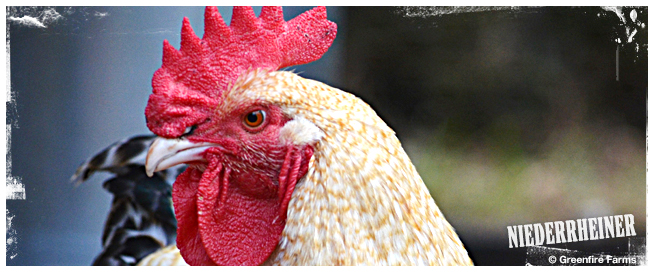
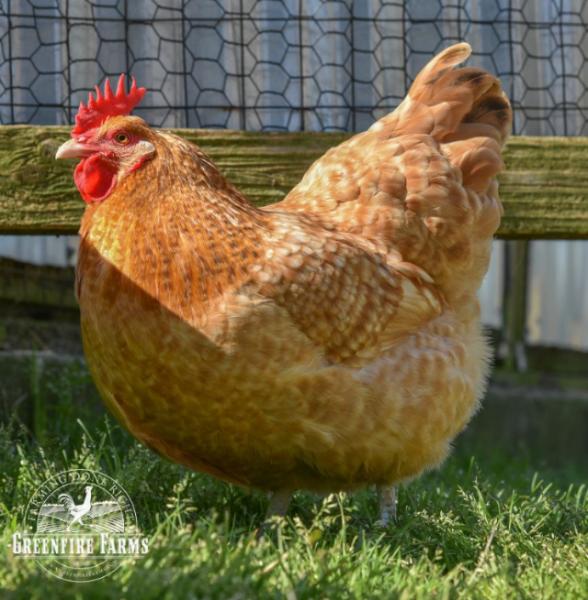
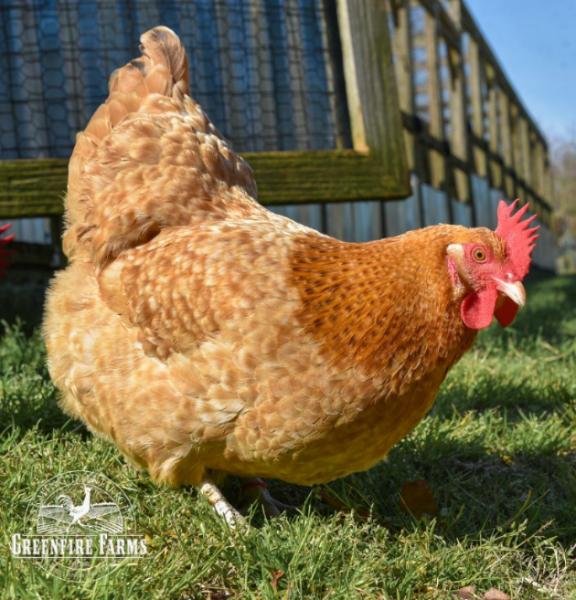
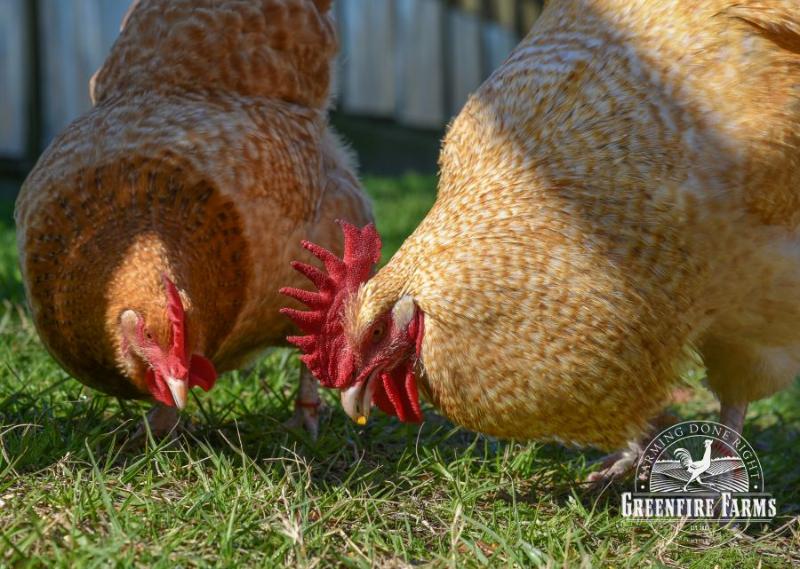
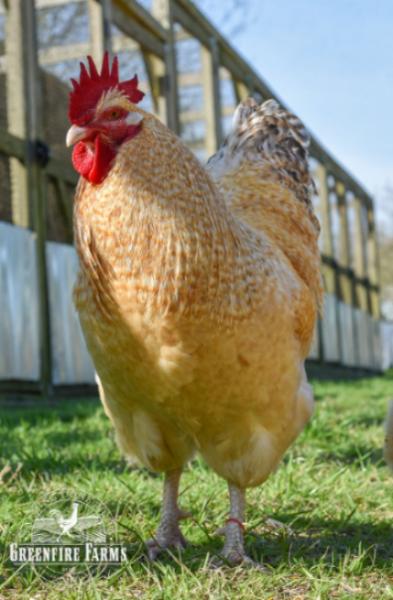
These stunning lemon-cuckoo birds truly embody the essence of a dual-purpose breed. With their warm-toned plumage, gentle temperament, and hardiness, they make a charming and practical addition to any backyard flock.
| Item | 1+ | Quantity |
|---|---|---|
| Niederrheiner Day-Old Chick Unsexed | 39.00 | |
| Niederrheiner Day-Old Chick Female | 49.00 | |
| Niederrheiner Day-Old Chick Male | 19.00 | |
| Niederrheiner Eggs | 10.00 | Sold Out |
Breed History
The Niederrheiner originated in western Germany’s Lower Rhine region in the years leading up to World War II. Although North Holland Blue chickens—meat birds developed in the Netherlands—were introduced to the area in the late 1920s, they initially failed to gain popularity. Determined to create a more appealing breed, poultry enthusiasts Friedrich Regenstein and J. Jobs began crossing the North Holland Blue with a mix of heavy and light breeds. Their efforts culminated in the development of the Niederrheiner, which was officially recognized in 1943.
A breed census conducted in 1997 recorded 1,482 Niederrheiner chickens being kept by 138 breeders. By 2001, the breed was classified as "endangered, category 3" on the Red List maintained by the German Society for the Preservation of Old and Endangered Domestic Animal Breeds. Although its status improved to "not at risk" by 2007, it was once again listed as "at risk" in 2022 by the DAD-IS database. As of 2021, the total breeding population stood at 1,660 birds, including 308 cockerels and 1,352 hens.
Appearance and Behavior
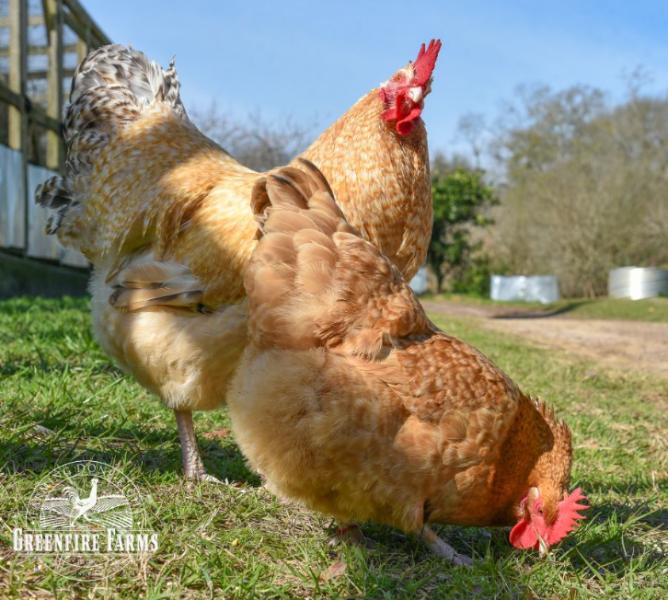
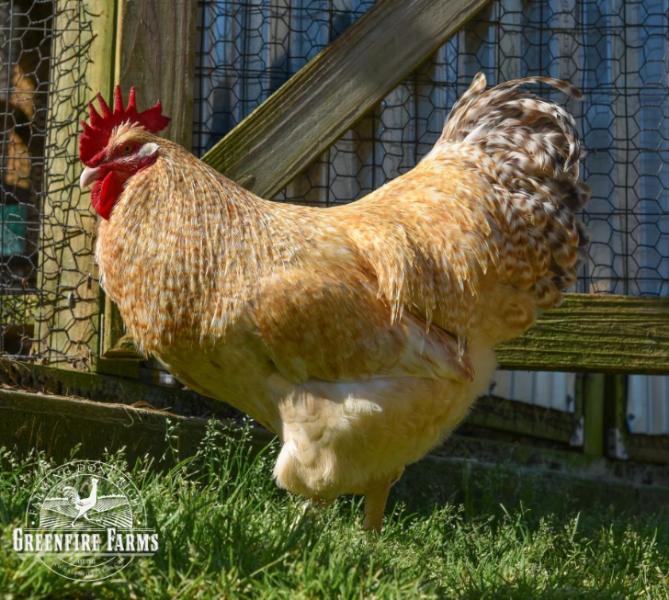
The Niederrheiner is an impressive breed known for its striking looks, steady temperament, and hardiness in a wide range of climates. These large birds were developed as true dual-purpose fowl, excelling both in meat quality and egg production. Their broad, muscular build is complemented by a beautiful lemon-cuckoo plumage—soft, barred patterns of pale gold and gray that make them stand out in any flock, and their meat is highly regarded for being tender and flavorful! Hens are reliable layers of extra-large, tan eggs, and you can expect about 200 to 230 eggs per year from your ladies.
In terms of behavior, Niederrheiners are remarkably calm, sociable, and non-aggressive. Hens typically will not go broody. At Greenfire Farms, they’ve proven to be gentle flock members—well-mannered and easy to manage, even in mixed-breed environments. Their docile nature and quiet demeanor make them especially suited for backyard settings or small farms looking for both beauty and utility.
This breed is recognized in five distinct color varieties: crele, silver, lemon cuckoo, blue cuckoo, and birchen. At our farm, we currently raise the lemon cuckoo variety. While the breed is often described as auto-sexing, we’ve found that lemon cuckoo chicks are not reliably distinguishable by sex at hatch—other breeders in Europe report this same result in their flocks of lemon cuckoo Niederrheiners. Still, what these birds may lack in auto-sexing convenience, they more than make up for in visual appeal and practicality. The lemon cuckoos boast vibrant, golden-yellow barred plumage that sets them apart in any flock. Their eye-catching appearance and calm temperament make them a point of pride for any poultry enthusiast.
Breed Standard
The Niederrheiner adheres to a well-defined breed standard that emphasizes both utility and visual appeal. Birds should have a broad, deep body with a full, rounded breast and a strong, well-proportioned frame—traits that reflect their dual-purpose heritage. Roosters typically weigh between 8 to 10 pounds, while hens average around 5.5 to 6.5 pounds. Their plumage is a soft, barred pattern of pale lemon-yellow and light gray, giving the bird its signature "lemon cuckoo" appearance. They have pale-colored legs free of feathering, red earlobes, and a single upright comb. Roosters should exhibit a proud, upright carriage, while hens appear slightly more compact and rounded. Overall, the ideal lemon cuckoo Niederrheiner is not only striking in appearance but also structurally sound, calm in temperament, and true to its practical roots. The Niederrheiner tend to mature quicker than most breeds, with birds reaching maturity at 5 to 6 months!
For a detailed look at their standard of perfection, visit this link:
Niederrheiner translated SOP
Hatching Eggs
We incubate at 99.5F and 55% humidity. In our experience, these birds consistently achieve around a 90% fertilization rate and an impressive near-100% hatch rate. Chicks hatch strong, vigorous, and full of life, a testament to the excellent genetic health and vitality of this bloodline.
Defects
When hatching Niederrheiner eggs, each chick should be carefully inspected for leg feathering. We have observed that approximately half of the hatched chicks may display this trait. Since feathered legs are not part of the breed standard, any chicks exhibiting this characteristic should be excluded from future breeding programs.
Notes
A rooster-to-hen ratio of 1:10 works well for the Niederrheiners, ensuring effective breeding without overburdening the hens. They integrate smoothly into existing flocks, typically showing minimal aggression during the introduction process. As for hardiness, this breed has thrived in our warm Florida conditions and is also reputed to handle cold climates with equal ease, making them a versatile choice for a variety of environments.
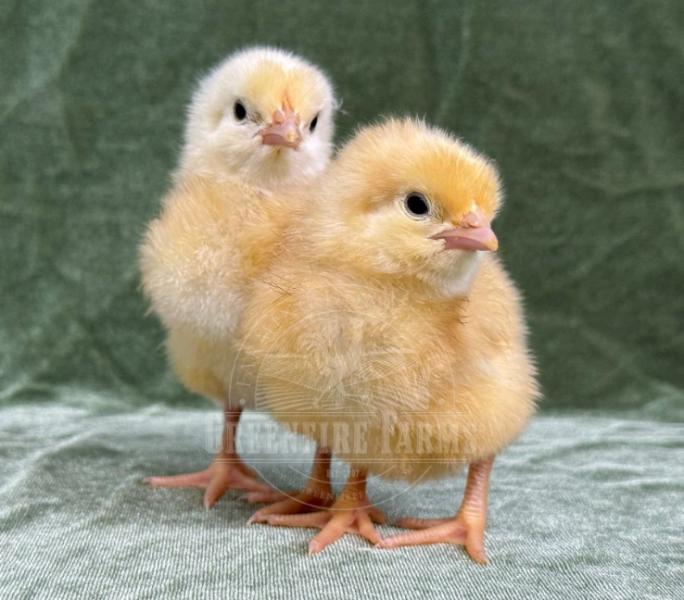
Starting in 2026, we will begin offering sexed chicks, as we are confident in our ability to accurately determine sex based on chick coloration. Darker chicks with a rich golden hue are female, while lighter yellow chicks are male. We know many of our customers want the assurance of adding hens to their flocks, and we’re excited to expand our offerings with another breed available as sexed chicks.
Import Notes
Our initial import of the Niederrheiner in 2013 quickly captured attention—they were an instant favorite among our visitors. However, after the first year, we began to notice a decline in egg production and overall viability. Despite efforts to improve the line, we ultimately chose to start fresh with a new bloodline imported in 2023. This latest line has exceeded expectations, showing exceptional hardiness and consistent productivity year after year.
The Niederrheiner originated in western Germany’s Lower Rhine region in the years leading up to World War II. Although North Holland Blue chickens—meat birds developed in the Netherlands—were introduced to the area in the late 1920s, they initially failed to gain popularity. Determined to create a more appealing breed, poultry enthusiasts Friedrich Regenstein and J. Jobs began crossing the North Holland Blue with a mix of heavy and light breeds. Their efforts culminated in the development of the Niederrheiner, which was officially recognized in 1943.
A breed census conducted in 1997 recorded 1,482 Niederrheiner chickens being kept by 138 breeders. By 2001, the breed was classified as "endangered, category 3" on the Red List maintained by the German Society for the Preservation of Old and Endangered Domestic Animal Breeds. Although its status improved to "not at risk" by 2007, it was once again listed as "at risk" in 2022 by the DAD-IS database. As of 2021, the total breeding population stood at 1,660 birds, including 308 cockerels and 1,352 hens.
Appearance and Behavior
The Niederrheiner is an impressive breed known for its striking looks, steady temperament, and hardiness in a wide range of climates. These large birds were developed as true dual-purpose fowl, excelling both in meat quality and egg production. Their broad, muscular build is complemented by a beautiful lemon-cuckoo plumage—soft, barred patterns of pale gold and gray that make them stand out in any flock, and their meat is highly regarded for being tender and flavorful! Hens are reliable layers of extra-large, tan eggs, and you can expect about 200 to 230 eggs per year from your ladies.
In terms of behavior, Niederrheiners are remarkably calm, sociable, and non-aggressive. Hens typically will not go broody. At Greenfire Farms, they’ve proven to be gentle flock members—well-mannered and easy to manage, even in mixed-breed environments. Their docile nature and quiet demeanor make them especially suited for backyard settings or small farms looking for both beauty and utility.
This breed is recognized in five distinct color varieties: crele, silver, lemon cuckoo, blue cuckoo, and birchen. At our farm, we currently raise the lemon cuckoo variety. While the breed is often described as auto-sexing, we’ve found that lemon cuckoo chicks are not reliably distinguishable by sex at hatch—other breeders in Europe report this same result in their flocks of lemon cuckoo Niederrheiners. Still, what these birds may lack in auto-sexing convenience, they more than make up for in visual appeal and practicality. The lemon cuckoos boast vibrant, golden-yellow barred plumage that sets them apart in any flock. Their eye-catching appearance and calm temperament make them a point of pride for any poultry enthusiast.
Breed Standard
The Niederrheiner adheres to a well-defined breed standard that emphasizes both utility and visual appeal. Birds should have a broad, deep body with a full, rounded breast and a strong, well-proportioned frame—traits that reflect their dual-purpose heritage. Roosters typically weigh between 8 to 10 pounds, while hens average around 5.5 to 6.5 pounds. Their plumage is a soft, barred pattern of pale lemon-yellow and light gray, giving the bird its signature "lemon cuckoo" appearance. They have pale-colored legs free of feathering, red earlobes, and a single upright comb. Roosters should exhibit a proud, upright carriage, while hens appear slightly more compact and rounded. Overall, the ideal lemon cuckoo Niederrheiner is not only striking in appearance but also structurally sound, calm in temperament, and true to its practical roots. The Niederrheiner tend to mature quicker than most breeds, with birds reaching maturity at 5 to 6 months!
For a detailed look at their standard of perfection, visit this link:
Niederrheiner translated SOP
Hatching Eggs
We incubate at 99.5F and 55% humidity. In our experience, these birds consistently achieve around a 90% fertilization rate and an impressive near-100% hatch rate. Chicks hatch strong, vigorous, and full of life, a testament to the excellent genetic health and vitality of this bloodline.
Defects
When hatching Niederrheiner eggs, each chick should be carefully inspected for leg feathering. We have observed that approximately half of the hatched chicks may display this trait. Since feathered legs are not part of the breed standard, any chicks exhibiting this characteristic should be excluded from future breeding programs.
Notes
A rooster-to-hen ratio of 1:10 works well for the Niederrheiners, ensuring effective breeding without overburdening the hens. They integrate smoothly into existing flocks, typically showing minimal aggression during the introduction process. As for hardiness, this breed has thrived in our warm Florida conditions and is also reputed to handle cold climates with equal ease, making them a versatile choice for a variety of environments.
Starting in 2026, we will begin offering sexed chicks, as we are confident in our ability to accurately determine sex based on chick coloration. Darker chicks with a rich golden hue are female, while lighter yellow chicks are male. We know many of our customers want the assurance of adding hens to their flocks, and we’re excited to expand our offerings with another breed available as sexed chicks.
Import Notes
Our initial import of the Niederrheiner in 2013 quickly captured attention—they were an instant favorite among our visitors. However, after the first year, we began to notice a decline in egg production and overall viability. Despite efforts to improve the line, we ultimately chose to start fresh with a new bloodline imported in 2023. This latest line has exceeded expectations, showing exceptional hardiness and consistent productivity year after year.
| Egg Color | tan |
| Egg Size | Jumbo |
| Average number of eggs per year | 200 - 230 |
| Table Breeds | Yes |
| Country of Origin | Germany |
| Cold tolerant | Yes |
| Year of import(s) | 2023 |
| Landrace | No |
| Great for beginners | Yes |
| Free-range ability | Moderately. |
| Broodiness | Not often to never |
| Ideal Rooster-to-hen Ratio | Average, 1:10 |
| Auto-sexing | No |