 Cart:
Cart: 

The Dong Tao, or “Dragon Chicken” as they’re affectionately known, is one of the rarest and most jaw-dropping chicken breeds in the world. Instantly recognizable for its exceptionally massive, sculptural legs and powerful presence. Revered for centuries and prized by serious poultry enthusiasts today, this extraordinary breed is truly in a class of its own.
| Item | 1+ | Quantity |
|---|---|---|
| Dong Tao Day-Old Chick Unsexed | 149.00 |
Breed History
At Greenfire Farms, we are passionate about preserving rare and historically significant poultry, and the Dong Tao is a standout example of a breed that combines cultural importance, uniqueness, and careful stewardship. This is not a beginner breed, but for experienced poultry keepers seeking something truly extraordinary, the Dong Tao offers an unmatched presence.
The Dong Tao has played a captivating and significant role in Vietnamese culture for centuries! Originating in the Dong Tao Commune of Vietnam’s Khoai Chau District, this remarkable breed was once reserved exclusively for royalty and high-ranking mandarins. Also known as the Ga Dong Tao or Dragon Chicken, these birds were prized for their extraordinary appearance and their place in ceremonial and celebratory meals. Carefully protected and bred only within their native region for generations, the Dong Tao remained largely unknown outside of Vietnam, adding to the rarity and mystique the breed holds today.
Historical records and folk traditions trace the Dong Tao back to Vietnam’s feudal era (9th to 15th centuries), with researchers believing the breed originated from the “spur bamboo chicken”, which was introduced to Vietnam from China. Through generations of selective breeding in Dong Tao village, these birds developed into a distinct and specialized breed, defined by their unique structure and appearance, unlike any other chicken in the world. Long regarded as a culinary delicacy, Dong Tao were raised specifically for kings and noble families. Beyond their culinary value, they also held cultural and spiritual significance, frequently used in religious ceremonies and ancestral offerings as symbols of reverence and respect. Their distinctive, large scaly legs were traditionally believed to possess medicinal properties and were often prepared in restorative stews for the ill.
Exporting Dong Tao chickens was virtually unheard of until recent decades, and even today, true Dong Tao remain exceedingly rare worldwide. Successfully breeding them outside their native Vietnam requires careful management and expertise, making responsibly bred birds especially valuable. Modern conservation efforts focus on preserving the breed’s defining traits while improving overall hardiness and reproductive success, ensuring the Dong Tao’s legacy continues for future generations!
Appearance and Behavior
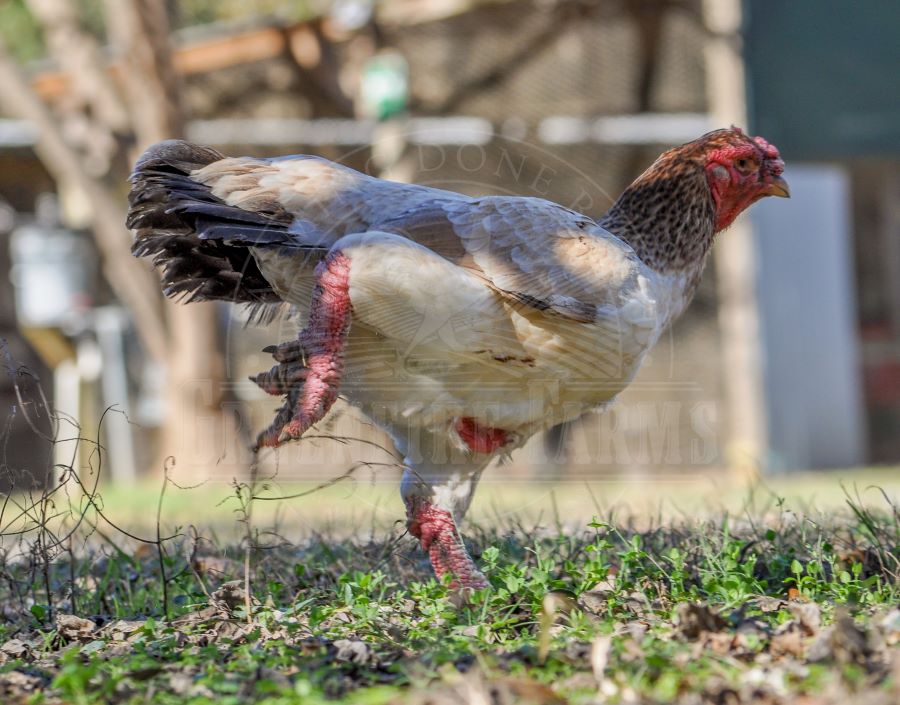
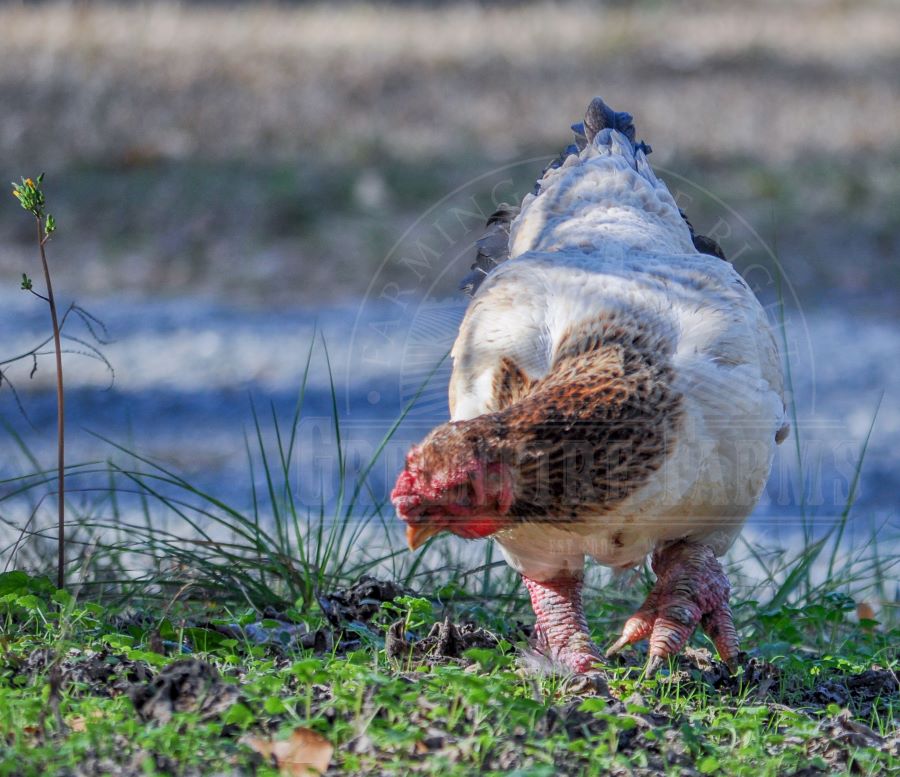
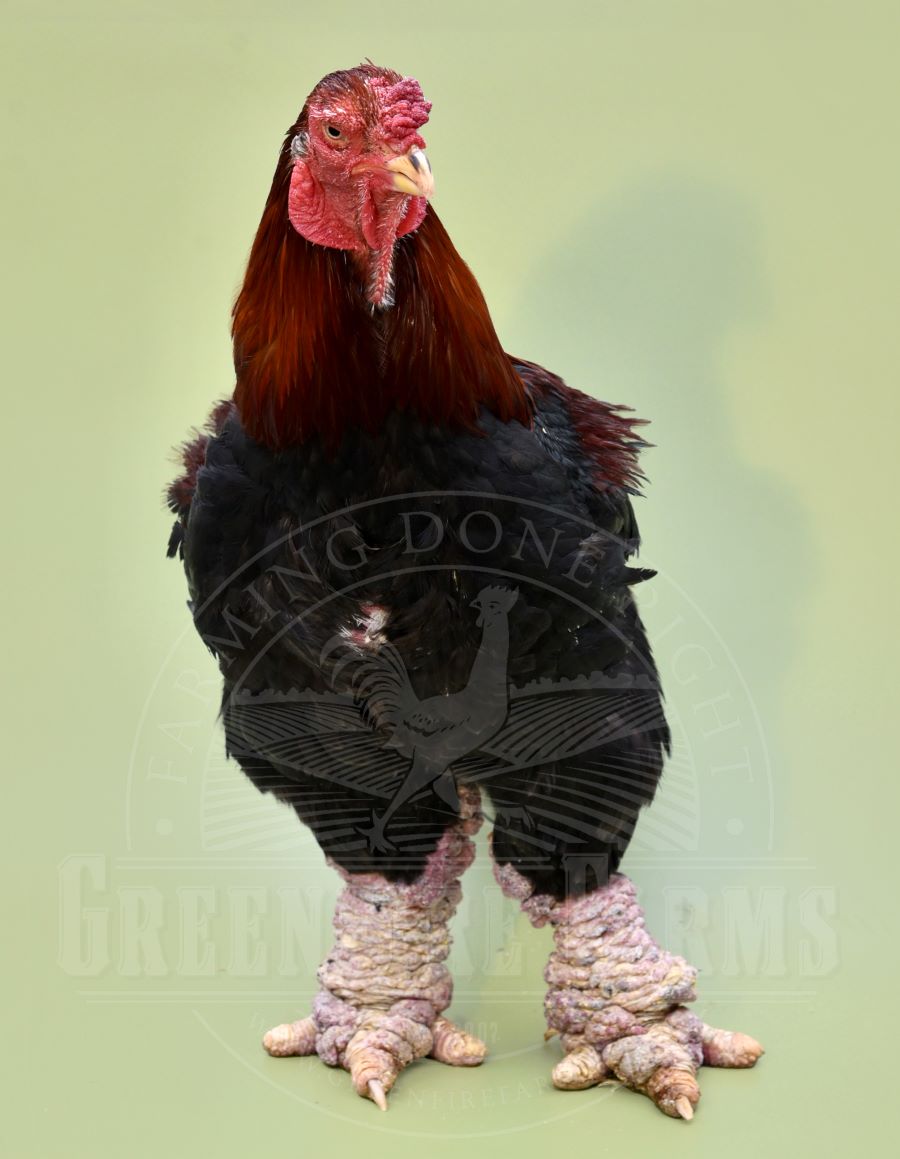
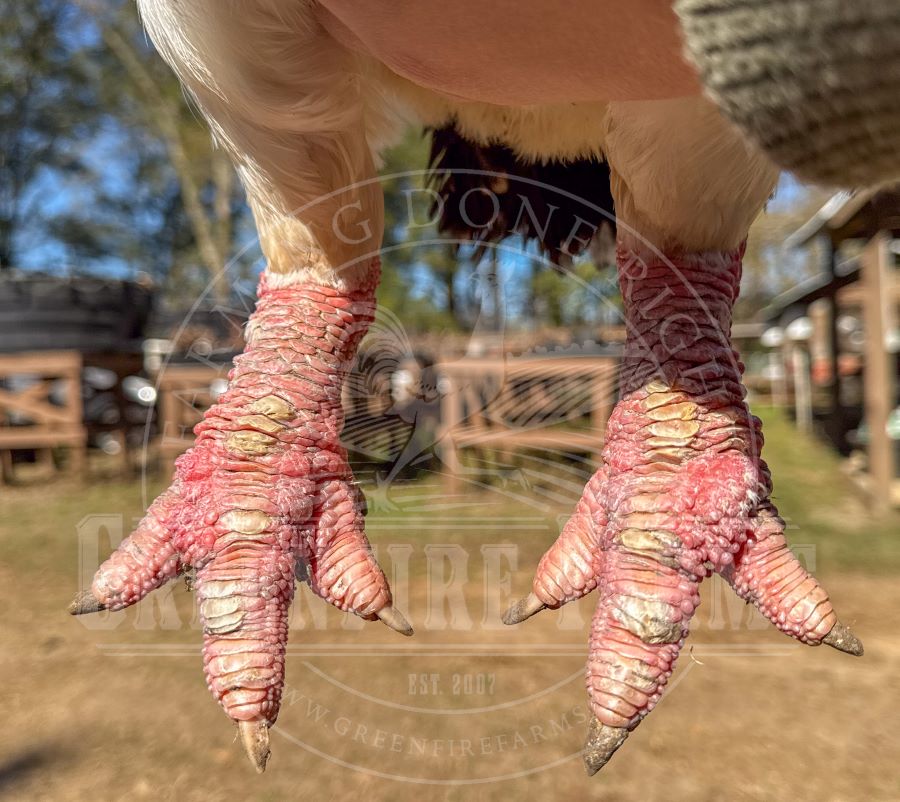
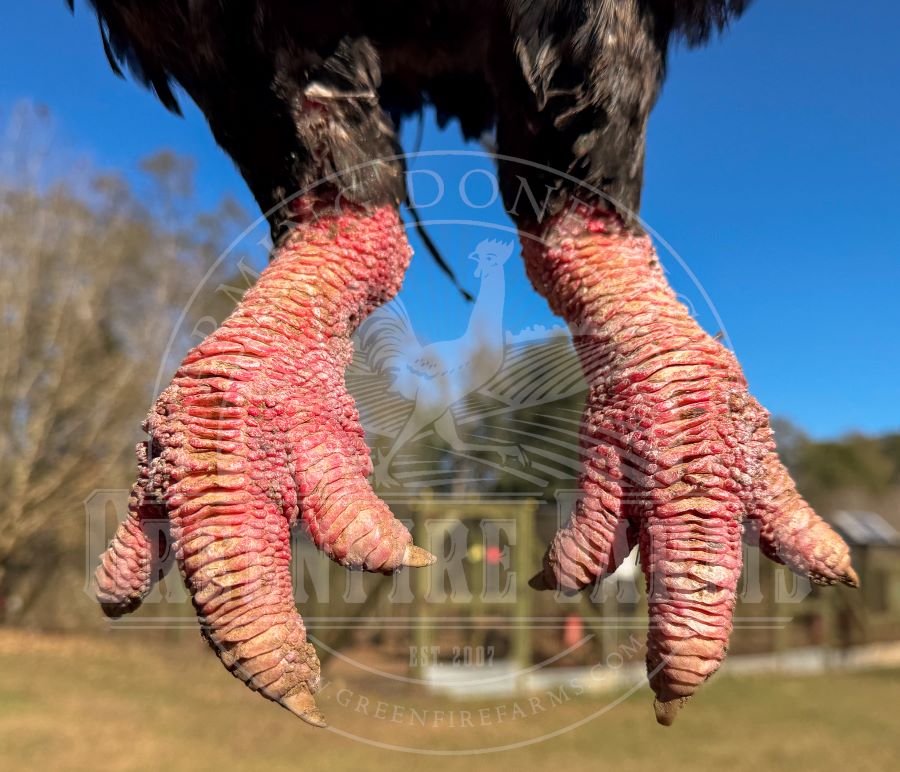
The Dong Tao are a true living spectacle, captivating attention the instant they come into view. Their most striking feature: enormous, heavily scaled legs, appear almost sculpted, lending the bird a bold, prehistoric presence that has rightfully earned them the nickname Dragon Chicken. These oversized legs, paired with a broad chest, upright posture, and heavy, muscular frame, create an imposing silhouette. Their legs continue to thicken as the birds mature, reaching their most dramatic proportions in fully grown adults, and can continue developing in size and mass between one and two years of age.
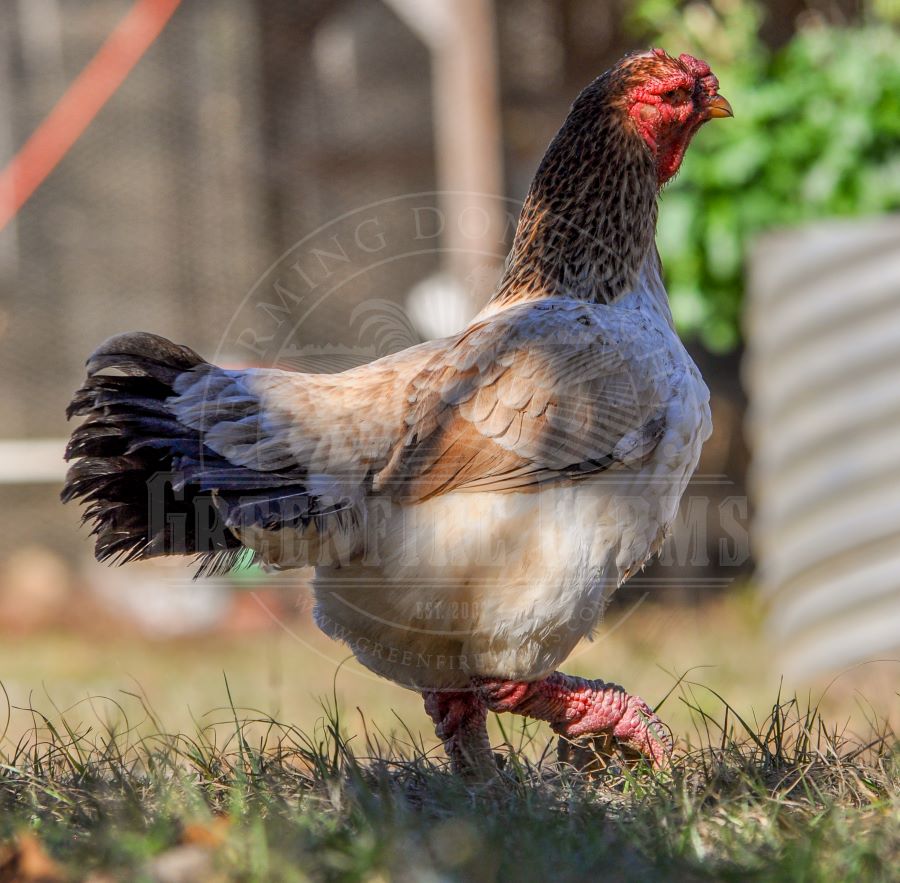
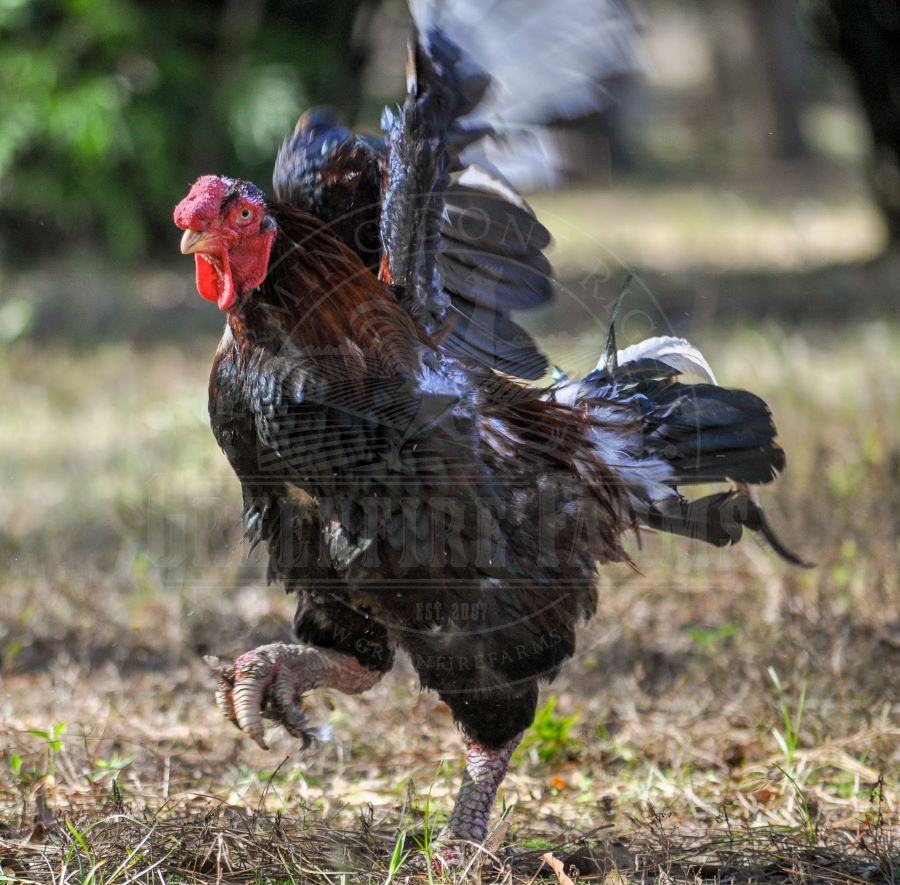
Their plumage is typically sparse and held close to the body, which further highlights the bird’s substantial build. An upright stance and slow, deliberate movements enhance their regal, almost mythical presence. Roosters are most often seen in the black-breasted red color variety, while hens tend to display softer buff tones. In both sexes, the legs are strikingly red with a mulberry-like texture that is impossible to overlook. Hens weigh between 6 and 8 pounds, while roosters typically reach weights between 9 and 12 pounds. Every detail of the Dong Tao’s appearance feels bold, rare, and unmistakable!
In temperament, Dong Tao are typically calm and slow-moving, largely because of their heavy leg structure. They enjoy open spaces but can also adapt well to an enclosed coop environment. Roosters are attentive to their hens and are often quite docile when handled regularly. Hens are prone to broodiness, but their exceptionally thick legs can increase the likelihood of eggs being broken in the nest box, making incubation the preferred approach. Hens produce about 100 to 150 medium-sized, tinted eggs per year. For best fertility and flock balance, we have found a rooster-to-hen ratio of 1:8 to be ideal for the Dragon Chicken. Dong Tao are not cold hardy and should be provided with supplemental heat in cooler climates, though they thrive in warm, tropical environments.
Breed Standard
Although an official Standard of Perfection for the Dong Tao is difficult to locate, there is no question that leg thickness is the breed’s defining priority. Beyond their exceptionally thick, heavily scaled legs, Dong Tao chickens are typically recognized by a strawberry comb, red earlobes, and small, understated wattles. The Dong Tao Chicken Management Handbook describes 3 color varieties for the hens. The first is often described as “banana leaf,” a shade resembling the muted, golden-tan color of dried banana leaves. The second is known as “horseradish,” similar to sparrow plumage, with dark brown feathers accented by lighter edging. The third variety is a lighter, earth-toned coloration, featuring pale or off-white feathers that blend naturally with soil and clay hues.
For a more detailed look at the Dong Tao’s unofficial standard, visit the links below. You will need to translate both sources.
(PDF) Dong Tao chicken management handbook
Dong Tao Chicken – A Rare Expensive Delicacy in Vietnam
For an interesting perspective on the Dong Tao, this article features Vietnamese breeder Hung Yen and his firsthand experience raising the breed. Please note that the content will need to be translated!
Dong Tao Chicken – From folk knowledge to national intangible cultural heritage
Hatching Eggs
We incubate at 99.5F and 55% humidity. Typically, we see an 80 to 90% hatch rate from our Dong Tao, and usually hatch right on schedule on day 21. We’ve noticed that hatches tend to be male-heavy, with approximately 75 to 80% of the chicks turning out to be male.
Dong Tao can experience lower fertility compared to other breeds, as the rooster’s exceptionally thick legs can make successful mounting more challenging. As a result, fertilization rates may be inconsistent, and patience, along with careful flock management, is often required when breeding this unique breed.
At this time we are not offering hatching eggs for purchase but focusing on offering day-old chicks instead.
Defects
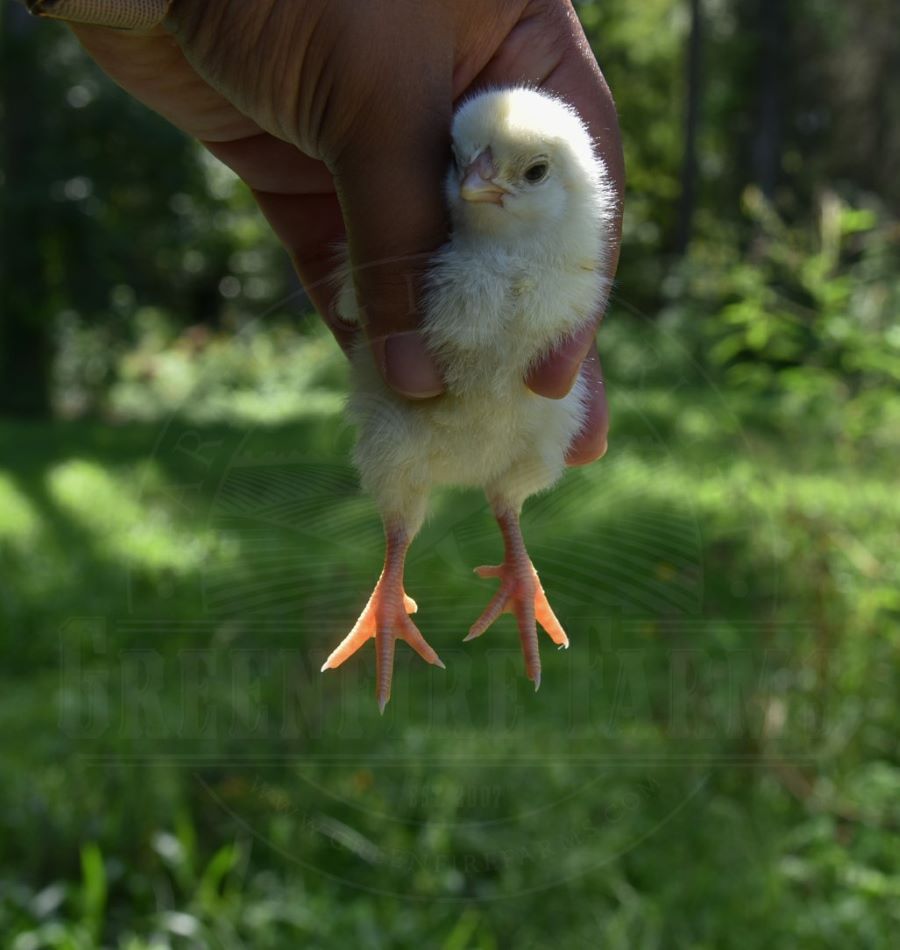
When hatching Dong Tao, each chick should be examined for a flat comb. Any chicks showing a straight comb should be removed from breeding programs, as the breed standard calls for a pea-like comb in adults, which appears as a flat comb in chicks. Chicks should also be checked for heavily feathered legs. While this trait is not technically a defect, we do cull birds that show excessive leg feathering.
As the birds mature, leg thickness should be carefully evaluated. We have found that the degree of thickness can vary widely, and final culling decisions should be made only after the birds are fully grown, since their legs continue to thicken with age. Please note that leg thickness is influenced by both age and genetics, and because it cannot be accurately assessed or selectively culled at hatch, we cannot guarantee the ultimate thickness of a Dong Tao’s legs.
Notes
Yes, we’re aware that direct imports from Vietnam into the U.S. are not permitted. Our birds were legally imported as eggs into Belgium (where importation from Vietnam is allowed), hatched and raised by our breeder there, and then imported to the United States as adult birds in 2024. Our flock has been fully tested and is accompanied by all required documentation to be legally and compliantly housed in the U.S.
As mentioned above, leg thickness in the Dong Tao is largely determined by genetics, though nutrition also plays an important supporting role. Research conducted by Vietnam’s Ministry of Agriculture and Rural Development indicates that diets rich in protein and essential minerals can help birds reach their full genetic potential. Protein, calcium, and phosphorus are the 3 key nutrients involved in developing the Dong Tao’s distinctive muscle mass and leg structure. Studies from the Institute of Animal Husbandry further explain that protein contributes to firm calf muscles, while calcium and phosphorus work together to strengthen bone density.
Protein-rich foods such as mealworms or grubs, earthworms, crickets, small fish, cooked eggs, and soybeans (an excellent plant-based protein source) are especially beneficial. Grains like corn and rice, when fed in moderation, provide valuable energy, while peas, lentils, and sunflower seeds offer additional nutritional support.
Import Notes
Greenfire Farms proudly imported the Dong Tao in 2024. After years of searching for reputable sources, we have successfully established a quality foundation flock and are beyond excited to offer this breed to experienced poultry keepers!
Ordering
Due to high demand, chick availability is currently limited. If you are interested, we can add you to our waitlist with a $500 deposit. This deposit will be applied toward your total order when your order is ready to be filled. To join the waitlist, please contact us and let us know how many chicks you are interested in. Please keep in mind that we have a 6-chick minimum to order, which can be met by mixing and matching breeds if desired. Wait times will vary depending on egg production, fertility, and hatch rates. We truly appreciate your patience and understanding as we work through the waitlist as quickly as possible.
At Greenfire Farms, we are passionate about preserving rare and historically significant poultry, and the Dong Tao is a standout example of a breed that combines cultural importance, uniqueness, and careful stewardship. This is not a beginner breed, but for experienced poultry keepers seeking something truly extraordinary, the Dong Tao offers an unmatched presence.
The Dong Tao has played a captivating and significant role in Vietnamese culture for centuries! Originating in the Dong Tao Commune of Vietnam’s Khoai Chau District, this remarkable breed was once reserved exclusively for royalty and high-ranking mandarins. Also known as the Ga Dong Tao or Dragon Chicken, these birds were prized for their extraordinary appearance and their place in ceremonial and celebratory meals. Carefully protected and bred only within their native region for generations, the Dong Tao remained largely unknown outside of Vietnam, adding to the rarity and mystique the breed holds today.
Historical records and folk traditions trace the Dong Tao back to Vietnam’s feudal era (9th to 15th centuries), with researchers believing the breed originated from the “spur bamboo chicken”, which was introduced to Vietnam from China. Through generations of selective breeding in Dong Tao village, these birds developed into a distinct and specialized breed, defined by their unique structure and appearance, unlike any other chicken in the world. Long regarded as a culinary delicacy, Dong Tao were raised specifically for kings and noble families. Beyond their culinary value, they also held cultural and spiritual significance, frequently used in religious ceremonies and ancestral offerings as symbols of reverence and respect. Their distinctive, large scaly legs were traditionally believed to possess medicinal properties and were often prepared in restorative stews for the ill.
Exporting Dong Tao chickens was virtually unheard of until recent decades, and even today, true Dong Tao remain exceedingly rare worldwide. Successfully breeding them outside their native Vietnam requires careful management and expertise, making responsibly bred birds especially valuable. Modern conservation efforts focus on preserving the breed’s defining traits while improving overall hardiness and reproductive success, ensuring the Dong Tao’s legacy continues for future generations!
Appearance and Behavior
The Dong Tao are a true living spectacle, captivating attention the instant they come into view. Their most striking feature: enormous, heavily scaled legs, appear almost sculpted, lending the bird a bold, prehistoric presence that has rightfully earned them the nickname Dragon Chicken. These oversized legs, paired with a broad chest, upright posture, and heavy, muscular frame, create an imposing silhouette. Their legs continue to thicken as the birds mature, reaching their most dramatic proportions in fully grown adults, and can continue developing in size and mass between one and two years of age.
Their plumage is typically sparse and held close to the body, which further highlights the bird’s substantial build. An upright stance and slow, deliberate movements enhance their regal, almost mythical presence. Roosters are most often seen in the black-breasted red color variety, while hens tend to display softer buff tones. In both sexes, the legs are strikingly red with a mulberry-like texture that is impossible to overlook. Hens weigh between 6 and 8 pounds, while roosters typically reach weights between 9 and 12 pounds. Every detail of the Dong Tao’s appearance feels bold, rare, and unmistakable!
In temperament, Dong Tao are typically calm and slow-moving, largely because of their heavy leg structure. They enjoy open spaces but can also adapt well to an enclosed coop environment. Roosters are attentive to their hens and are often quite docile when handled regularly. Hens are prone to broodiness, but their exceptionally thick legs can increase the likelihood of eggs being broken in the nest box, making incubation the preferred approach. Hens produce about 100 to 150 medium-sized, tinted eggs per year. For best fertility and flock balance, we have found a rooster-to-hen ratio of 1:8 to be ideal for the Dragon Chicken. Dong Tao are not cold hardy and should be provided with supplemental heat in cooler climates, though they thrive in warm, tropical environments.
Breed Standard
Although an official Standard of Perfection for the Dong Tao is difficult to locate, there is no question that leg thickness is the breed’s defining priority. Beyond their exceptionally thick, heavily scaled legs, Dong Tao chickens are typically recognized by a strawberry comb, red earlobes, and small, understated wattles. The Dong Tao Chicken Management Handbook describes 3 color varieties for the hens. The first is often described as “banana leaf,” a shade resembling the muted, golden-tan color of dried banana leaves. The second is known as “horseradish,” similar to sparrow plumage, with dark brown feathers accented by lighter edging. The third variety is a lighter, earth-toned coloration, featuring pale or off-white feathers that blend naturally with soil and clay hues.
For a more detailed look at the Dong Tao’s unofficial standard, visit the links below. You will need to translate both sources.
(PDF) Dong Tao chicken management handbook
Dong Tao Chicken – A Rare Expensive Delicacy in Vietnam
For an interesting perspective on the Dong Tao, this article features Vietnamese breeder Hung Yen and his firsthand experience raising the breed. Please note that the content will need to be translated!
Dong Tao Chicken – From folk knowledge to national intangible cultural heritage
Hatching Eggs
We incubate at 99.5F and 55% humidity. Typically, we see an 80 to 90% hatch rate from our Dong Tao, and usually hatch right on schedule on day 21. We’ve noticed that hatches tend to be male-heavy, with approximately 75 to 80% of the chicks turning out to be male.
Dong Tao can experience lower fertility compared to other breeds, as the rooster’s exceptionally thick legs can make successful mounting more challenging. As a result, fertilization rates may be inconsistent, and patience, along with careful flock management, is often required when breeding this unique breed.
At this time we are not offering hatching eggs for purchase but focusing on offering day-old chicks instead.
Defects
When hatching Dong Tao, each chick should be examined for a flat comb. Any chicks showing a straight comb should be removed from breeding programs, as the breed standard calls for a pea-like comb in adults, which appears as a flat comb in chicks. Chicks should also be checked for heavily feathered legs. While this trait is not technically a defect, we do cull birds that show excessive leg feathering.
As the birds mature, leg thickness should be carefully evaluated. We have found that the degree of thickness can vary widely, and final culling decisions should be made only after the birds are fully grown, since their legs continue to thicken with age. Please note that leg thickness is influenced by both age and genetics, and because it cannot be accurately assessed or selectively culled at hatch, we cannot guarantee the ultimate thickness of a Dong Tao’s legs.
Notes
Yes, we’re aware that direct imports from Vietnam into the U.S. are not permitted. Our birds were legally imported as eggs into Belgium (where importation from Vietnam is allowed), hatched and raised by our breeder there, and then imported to the United States as adult birds in 2024. Our flock has been fully tested and is accompanied by all required documentation to be legally and compliantly housed in the U.S.
As mentioned above, leg thickness in the Dong Tao is largely determined by genetics, though nutrition also plays an important supporting role. Research conducted by Vietnam’s Ministry of Agriculture and Rural Development indicates that diets rich in protein and essential minerals can help birds reach their full genetic potential. Protein, calcium, and phosphorus are the 3 key nutrients involved in developing the Dong Tao’s distinctive muscle mass and leg structure. Studies from the Institute of Animal Husbandry further explain that protein contributes to firm calf muscles, while calcium and phosphorus work together to strengthen bone density.
Protein-rich foods such as mealworms or grubs, earthworms, crickets, small fish, cooked eggs, and soybeans (an excellent plant-based protein source) are especially beneficial. Grains like corn and rice, when fed in moderation, provide valuable energy, while peas, lentils, and sunflower seeds offer additional nutritional support.
Import Notes
Greenfire Farms proudly imported the Dong Tao in 2024. After years of searching for reputable sources, we have successfully established a quality foundation flock and are beyond excited to offer this breed to experienced poultry keepers!
Ordering
Due to high demand, chick availability is currently limited. If you are interested, we can add you to our waitlist with a $500 deposit. This deposit will be applied toward your total order when your order is ready to be filled. To join the waitlist, please contact us and let us know how many chicks you are interested in. Please keep in mind that we have a 6-chick minimum to order, which can be met by mixing and matching breeds if desired. Wait times will vary depending on egg production, fertility, and hatch rates. We truly appreciate your patience and understanding as we work through the waitlist as quickly as possible.
| Egg Color | tinted |
| Egg Size | Medium |
| Average number of eggs per year | 100 - 120 |
| Table Breeds | Yes |
| Country of Origin | Vietnam |
| Cold tolerant | No |
| Year of import(s) | 2023 |
| Landrace | No |
| Great for beginners | No |
| Free-range ability | Moderately. |
| Broodiness | Very |
| Ideal Rooster-to-hen Ratio | Low, 1:6 |
| Auto-sexing | No |