This year more than 30 billion chickens will be raised worldwide, and virtually every single one will be a copy of the next. Each is part of the global poultry monoculture that supports industrial agriculture. And yet, if you look hard enough for long enough you can find chickens that rescue us from this vast crushing sameness; birds extraordinary, rare and dazzlingly unique. At Greenfire Farms, our mission is to find and save these obscure breeds for an uncertain future when their genetic gifts are once again called into service. This is nothing less than a revolution, and all revolutions start with a small group of people. This is your revolution, too.

Greenfire Farms has scoured the globe, looking in isolated hamlets and small farmsteads, to find and bring you some of the world’s rarest and most beautiful chickens. In the past decade, Americans have rallied to conserve our threatened breeds and, through the efforts of excellent organizations like the American Livestock Breeds Conservancy, are bringing back rare varieties of livestock from the brink of extinction. But we can do more.

In the last century more than half of Europe’s domestic breeds have become extinct. With two world wars, rapid urbanization, and heightened government regulation, maintaining viable populations of livestock breeds has become a daunting challenge. America can serve as a safe haven for some of these breeds. No domestic breed has become extinct in America in more than a quarter century. While this record is laudable, now is not the time for complacency.  We need your help.  You can play a critical role on a global stage by raising rare breeds of chickens from other countries.

Among the breeds we will be bringing to the United States are:

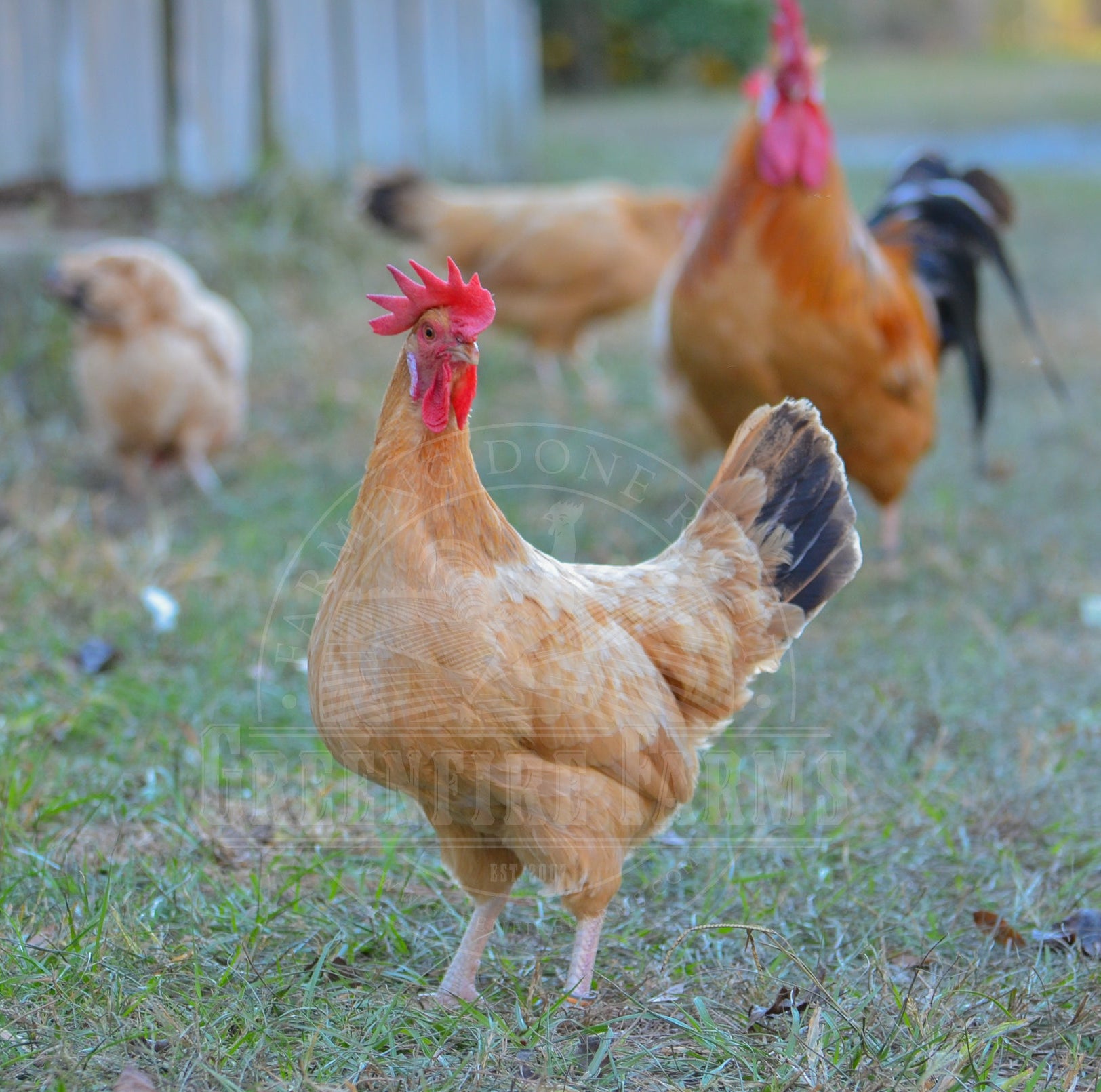
Fifty Five Flowery Hens

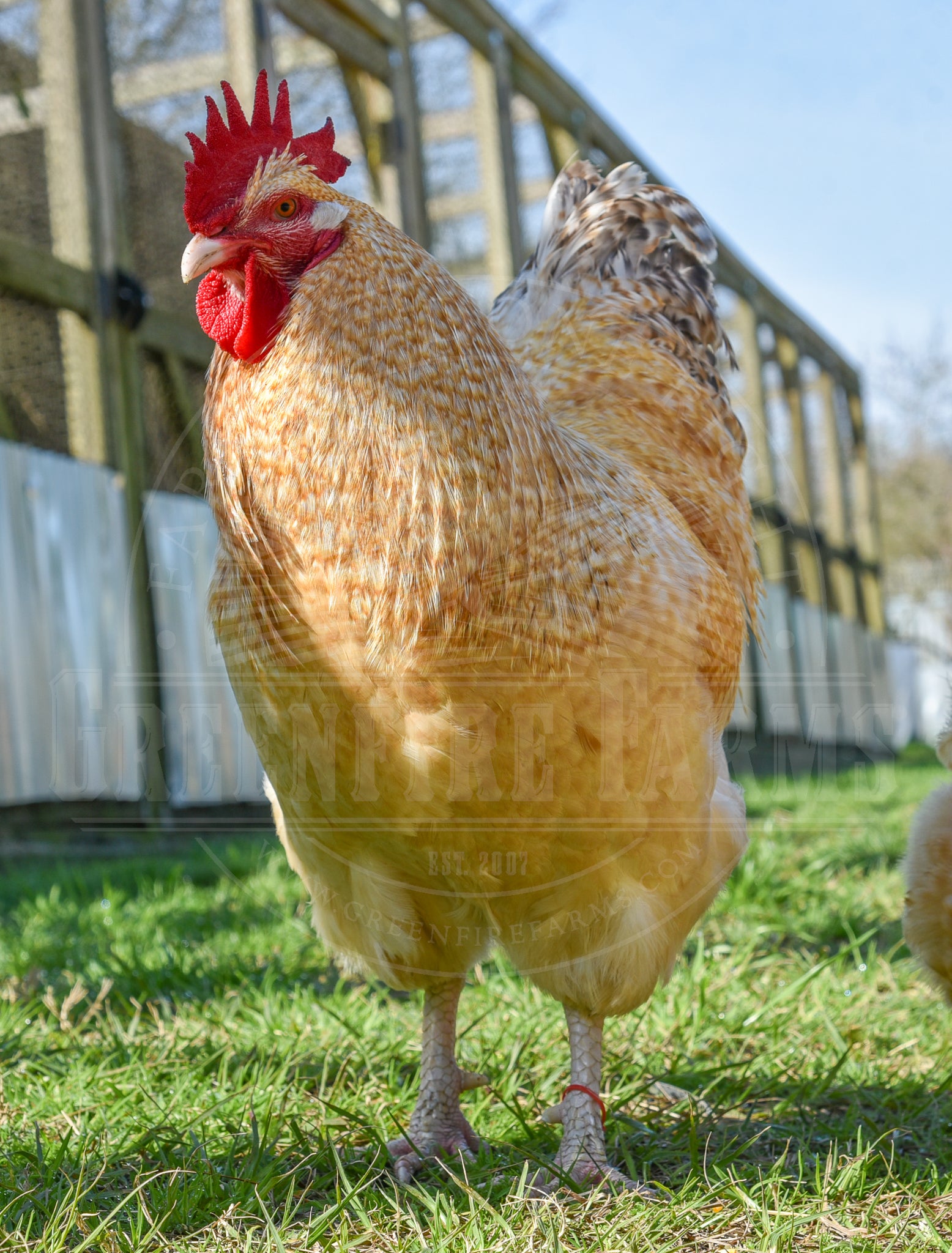
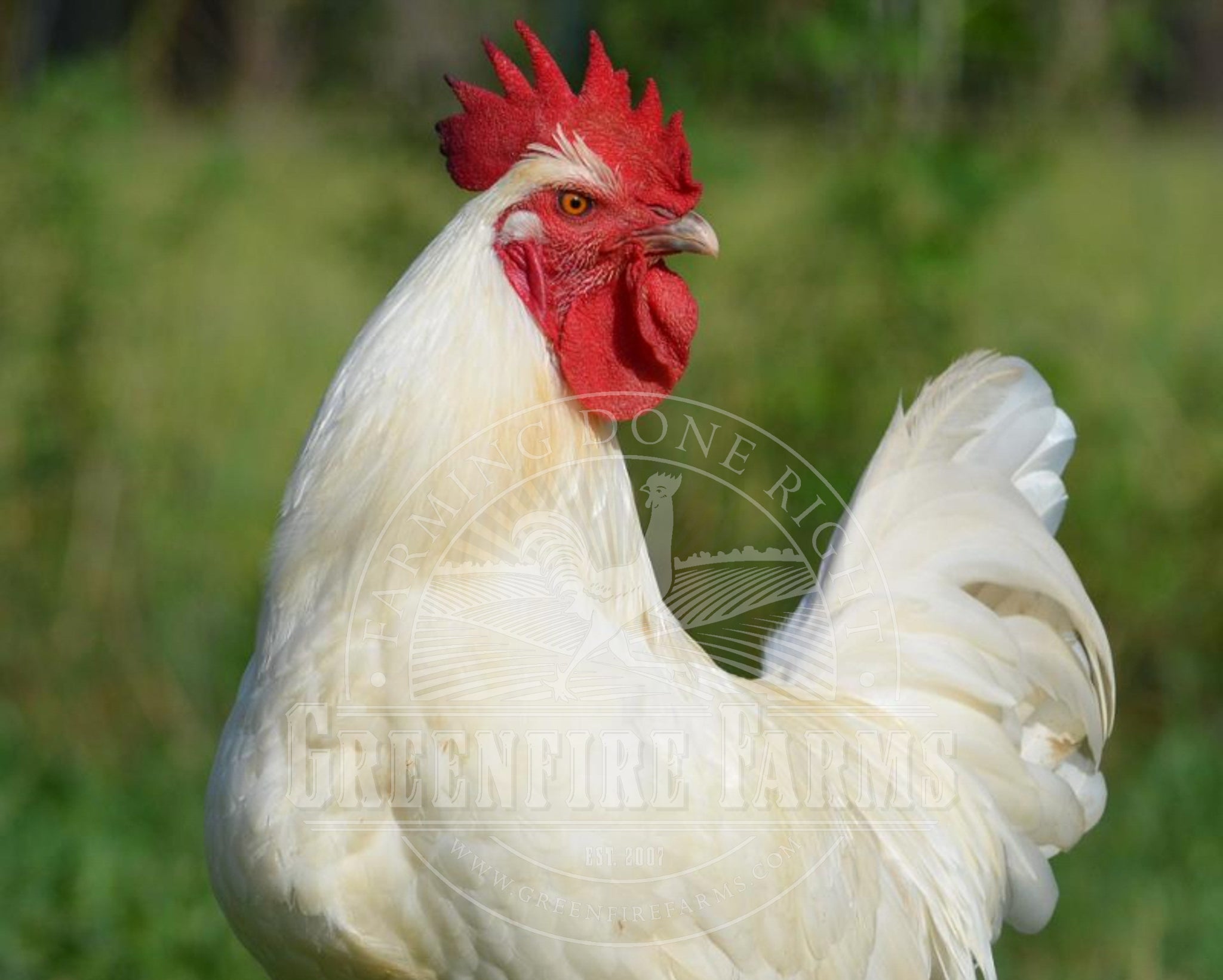
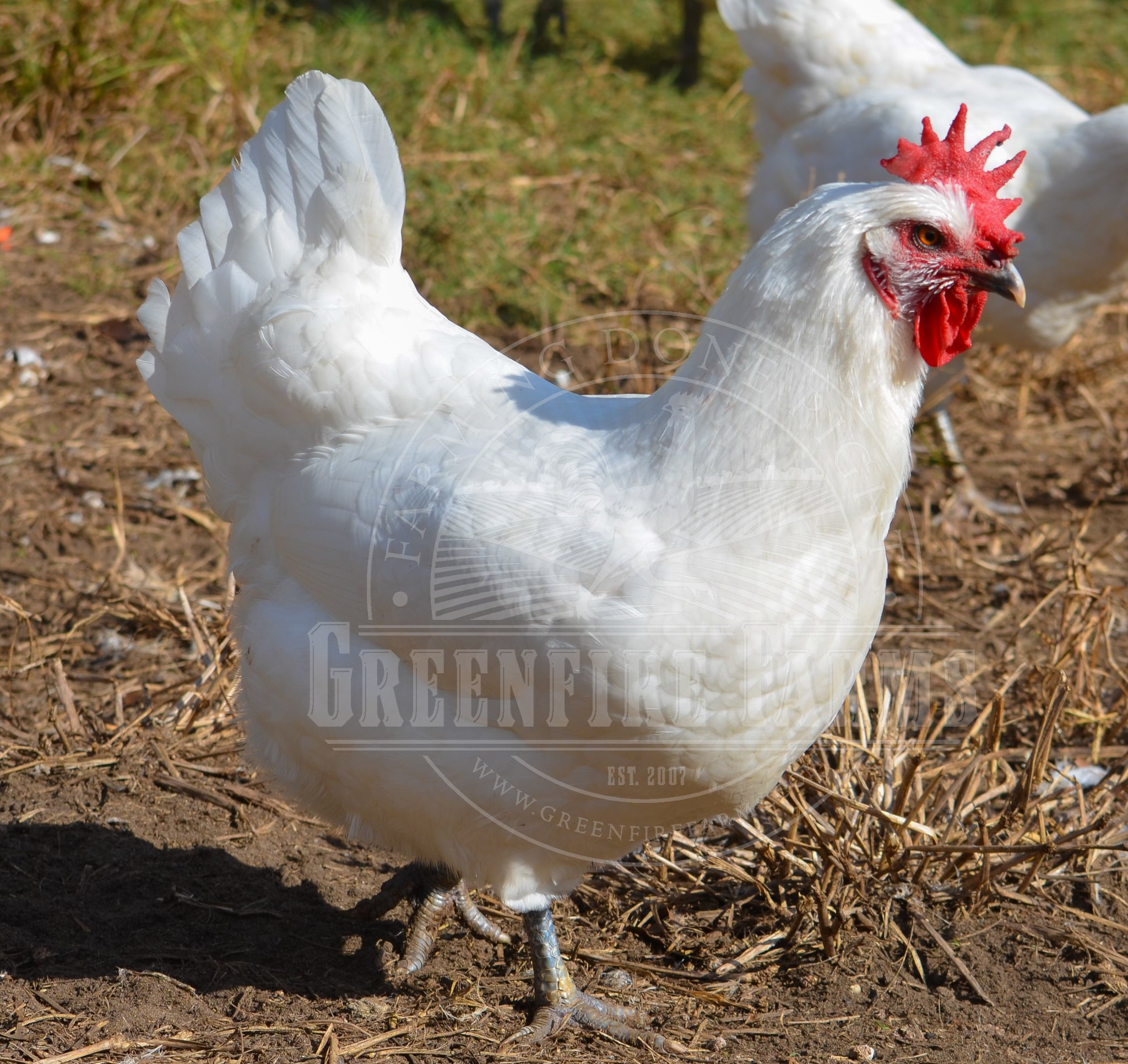
Fifty Five Flowery HensFifty Five Flowery Hens were created –spoiler alert!—in 1955 in Sweden by Father Martin Silverudd. Fifty Fives were the first breed invented by Silverudd and over a half-century have proven to be his most successful creation. While the half-dozen or so of the Silverudd chicken breeds have largely slid into obscurity, Fifty Fives remain in a few commercial flocks in their native country. Fifty Fives deliver on the goals initially established by Silverudd: Create an auto-sexing chicken that produces eggs for the table in commercial quantities. Using different varieties of leghorns Silverudd created a breed where the rooster looks very different than the hen throughout its life. As a day-old chick the males are easy to distinguish by the blonde down on the backs of their heads, and as adults the males are largely white while the females are decorated with a beautiful spotted pattern; the ‘flowers’ that contribute to the breed name. Greenfire Farms was the first to import this breed into the United States and will be releasing them in the fall of 2013.

Lavender Wyandotte

Lavender WyandotteBritish master poultry breeder Allan Brooker has for more than a decade dedicated himself to the creation of the large fowl lavender Wyandotte. After much hard work his vision is now fully realized in the form of a gorgeous bird that recently merited the cover of Practical Poultry magazine. Poultry hobbyists have sought to create lavender versions of a number of chicken breeds including Orpingtons, Marans, and Silkies, but we have seen none that equal Allan’s Wyandottes in exhibiting the lavender color in such a pure form. The bright red comb of the Wyandotte and the contrasting legs are set off against the dominant field of deep lavender feathers. When the eggs of these birds were offered on UK eBay a small clutch of six sold for £245 (about $370) attesting to the demand for this novel and stunning Wyandotte variety. In 2014, Greenfire Farms will be selling birds from Allan’s bloodline.


Marsh Daisy

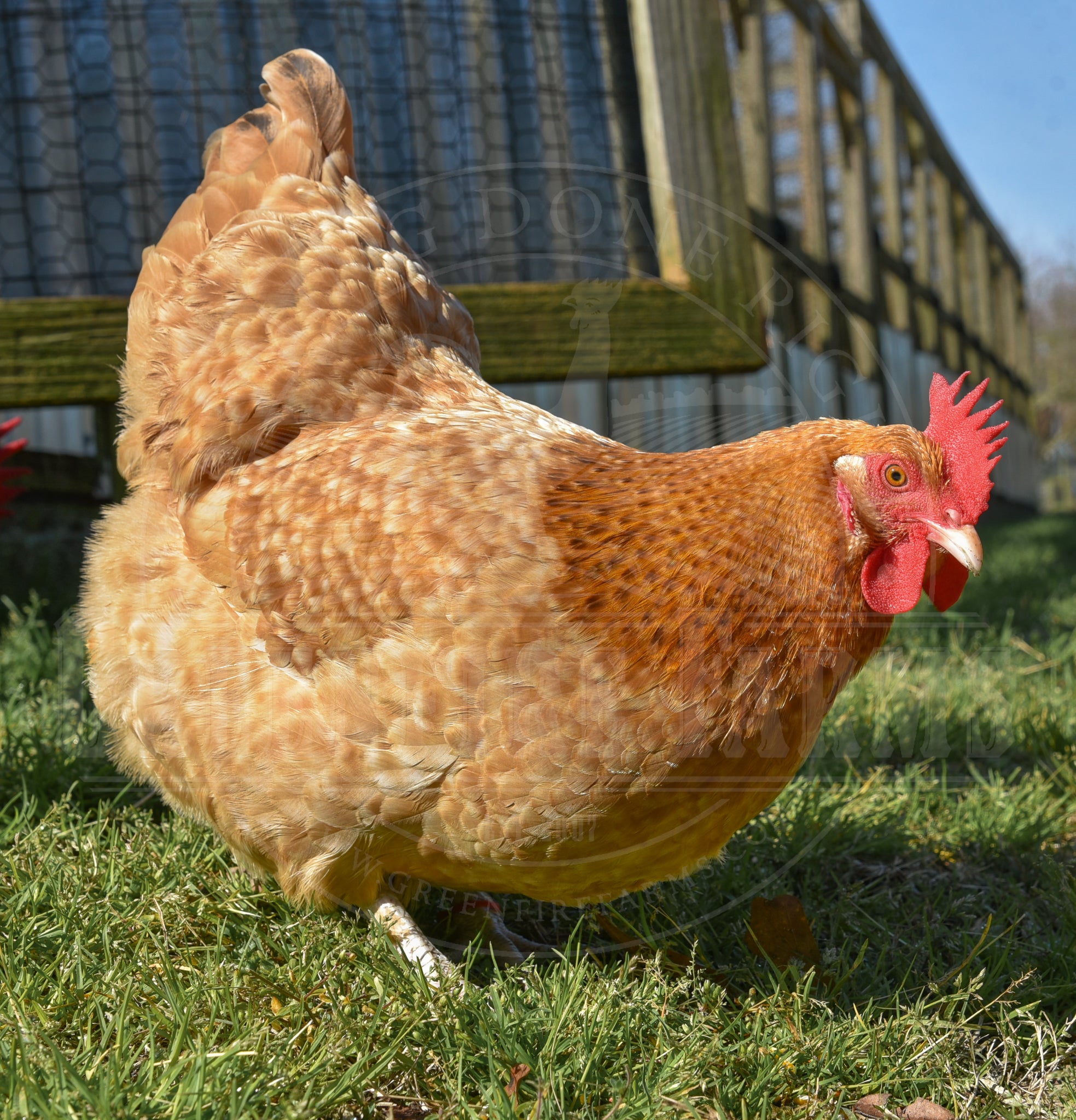
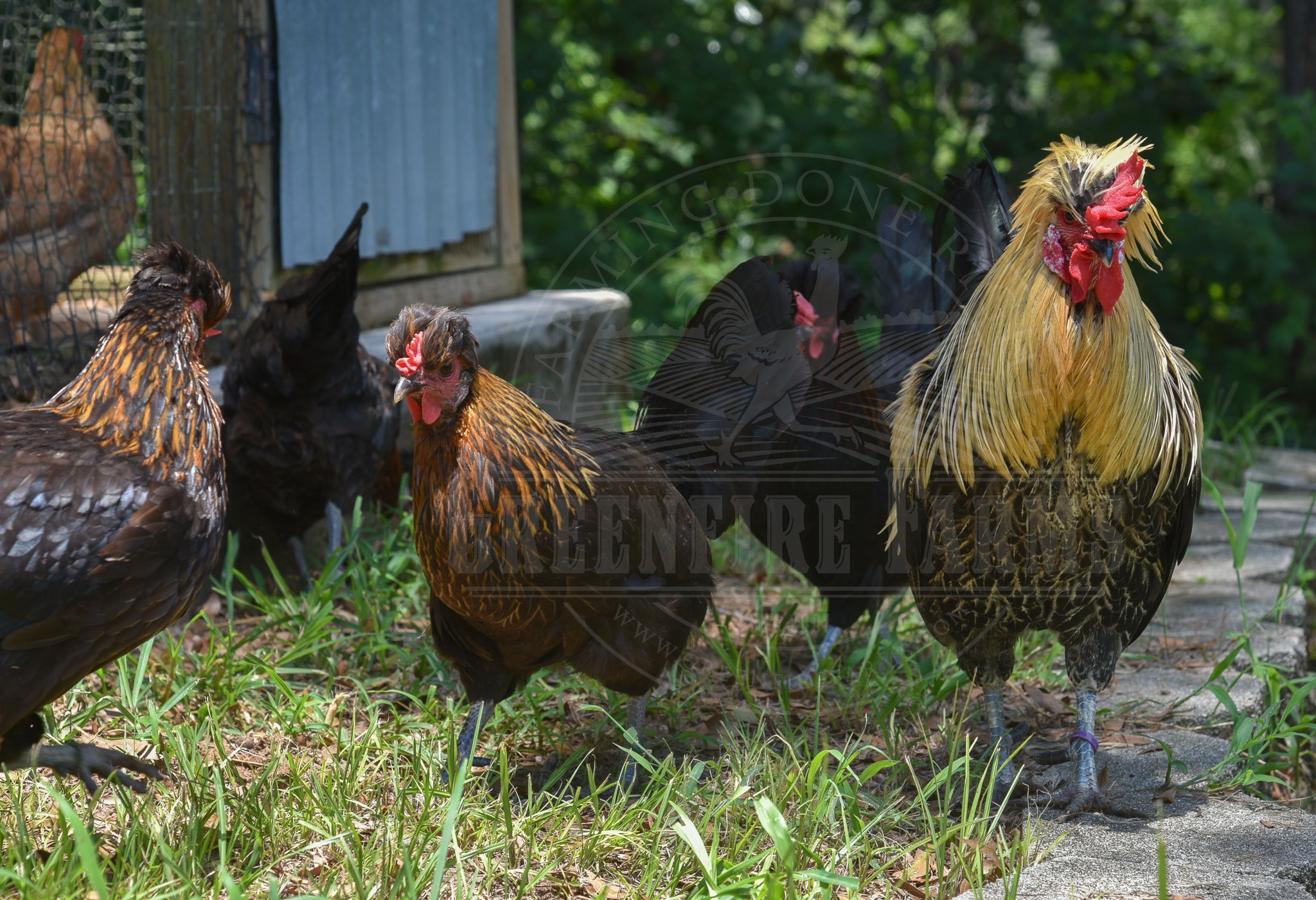
Marsh DaisyThis hardy breed originated in the wet meadows of Lancashire, England, and is known for its survival skills in a free-range environment. The marsh daisy’s most prominent feature is its rose comb. The breed was first officially recognized in the UK in 1913, and it remains extremely rare in its native land. It is listed as endangered by the Rare Breeds Survival Trust in the United Kingdom. We have found this breed to be productive and useful. A hen can be relied upon to produce a large number of cream colored eggs.  Greenfire Farms has imported both brown and black varieties of marsh daisies.


Ayam Cemani

Ayam CemaniYou think you know black, but do you really know black?

The Indonesian chicken breed known as ayam cemani takes black into an entirely different realm. Their feathers are black. Their skin is black. Cut open an ayam cemani and you’ll find black muscle anchored to black bones. Even their organs are black. And what do you get for all this unrelenting blackness? One of the most beautiful chickens in the world. In Asia, ayam cemani are renowned as much for the mystical powers of their black meat as they are for their extraordinary ink-black feathers.  In 2012, Greenfire Farms was able to locate and legally import pure specimens of this breed despite the current USDA export ban on importing live chickens from Indonesia. We have unrelated bloodlines of ayam cemani that should produce healthy and beautiful chicks for many generations.  In 2013, we hope to provide purebred ayam cemani to a select group of chicken enthusiasts in North America.


Silver Laced and Crele Orpingtons

Crele and Silver Laced Orpingtons

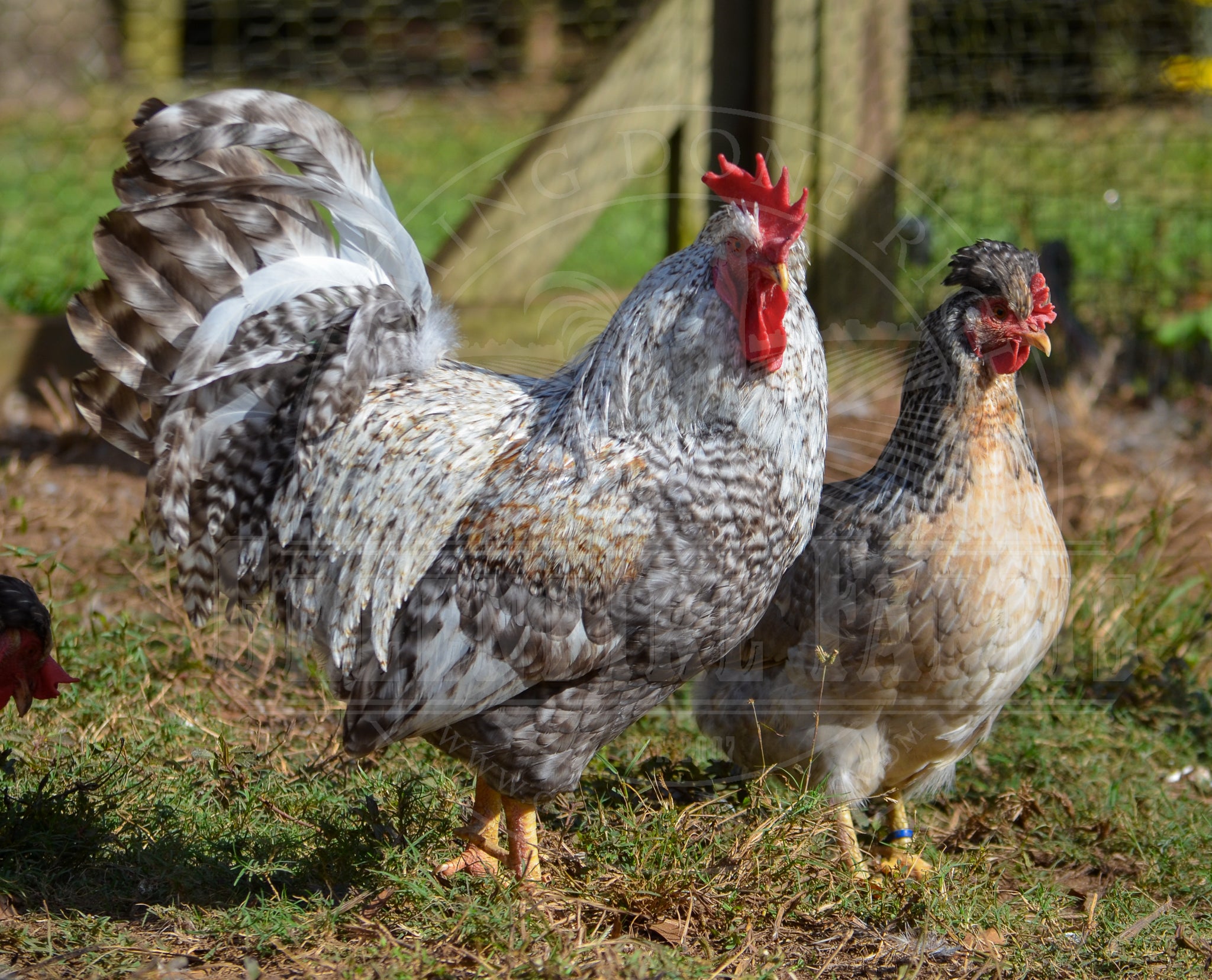
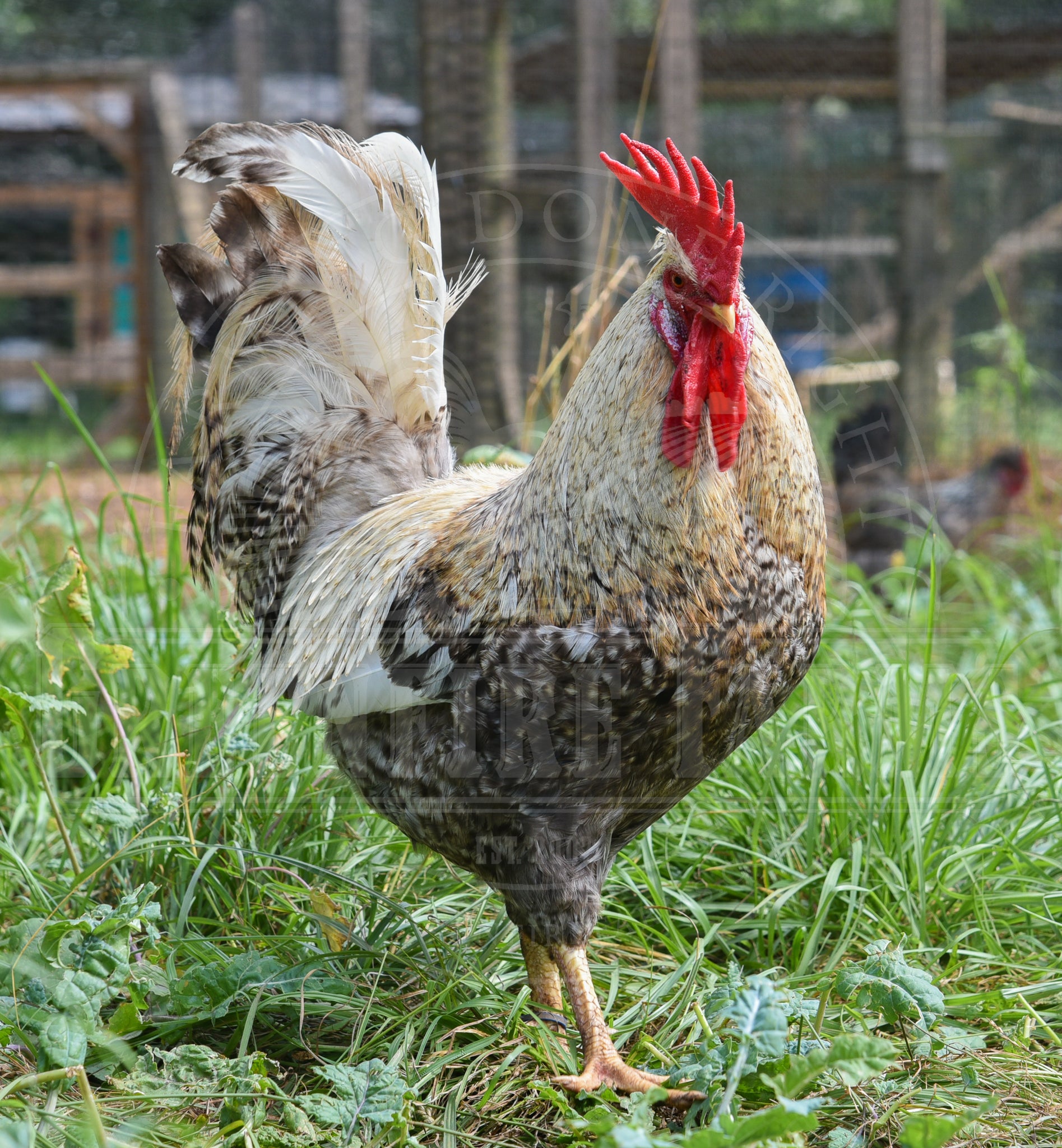
Greenfire Farms was able to recently import two new varieties of large fowl Orpingtons: silver laced and crele. These birds possess not only striking new color patterns but also are excellent examples of the large, round classic British body type. We plan to release both new varieties in 2013.

  • How to Order
  • New Arrivals