
Cream Legbar

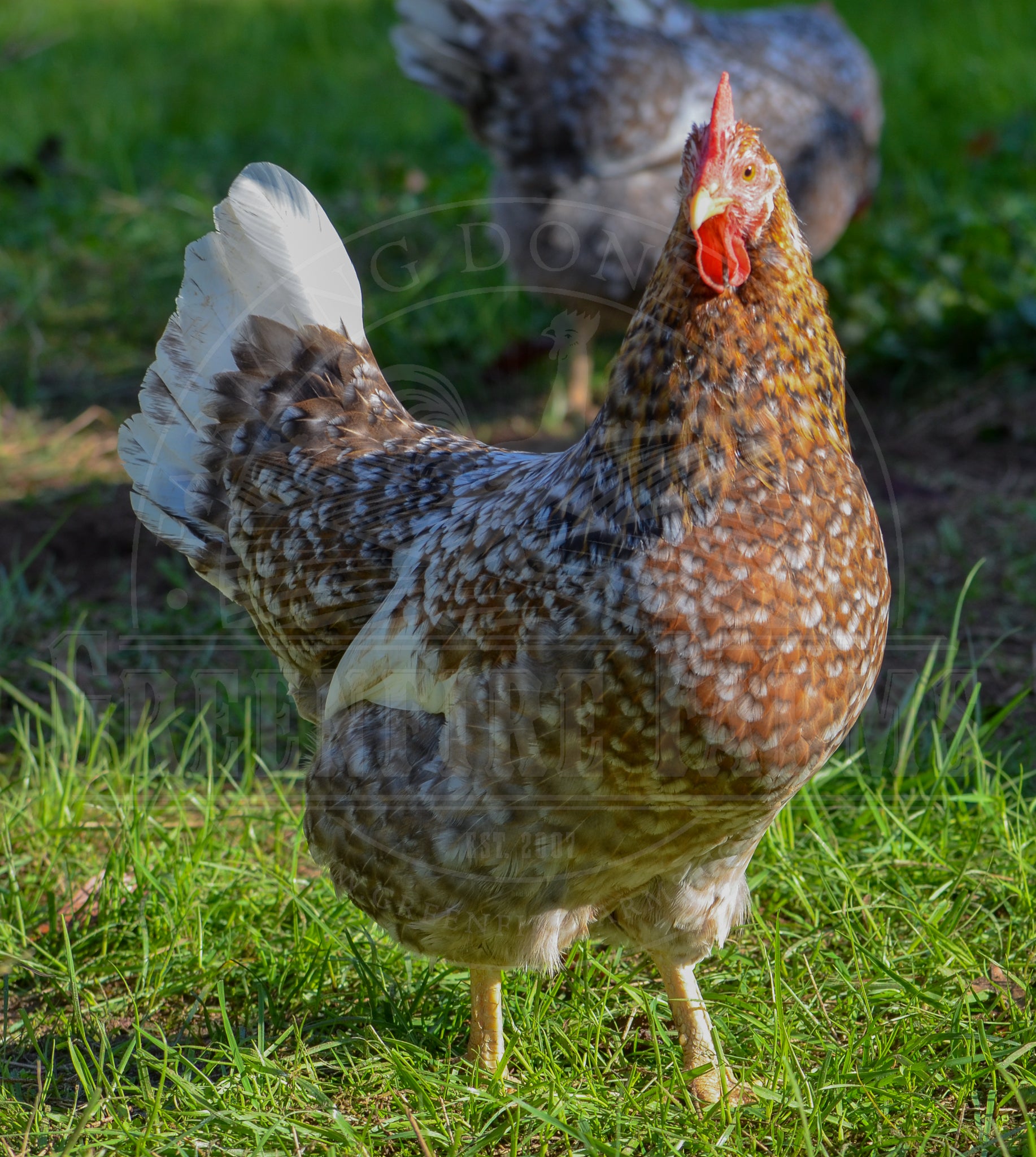
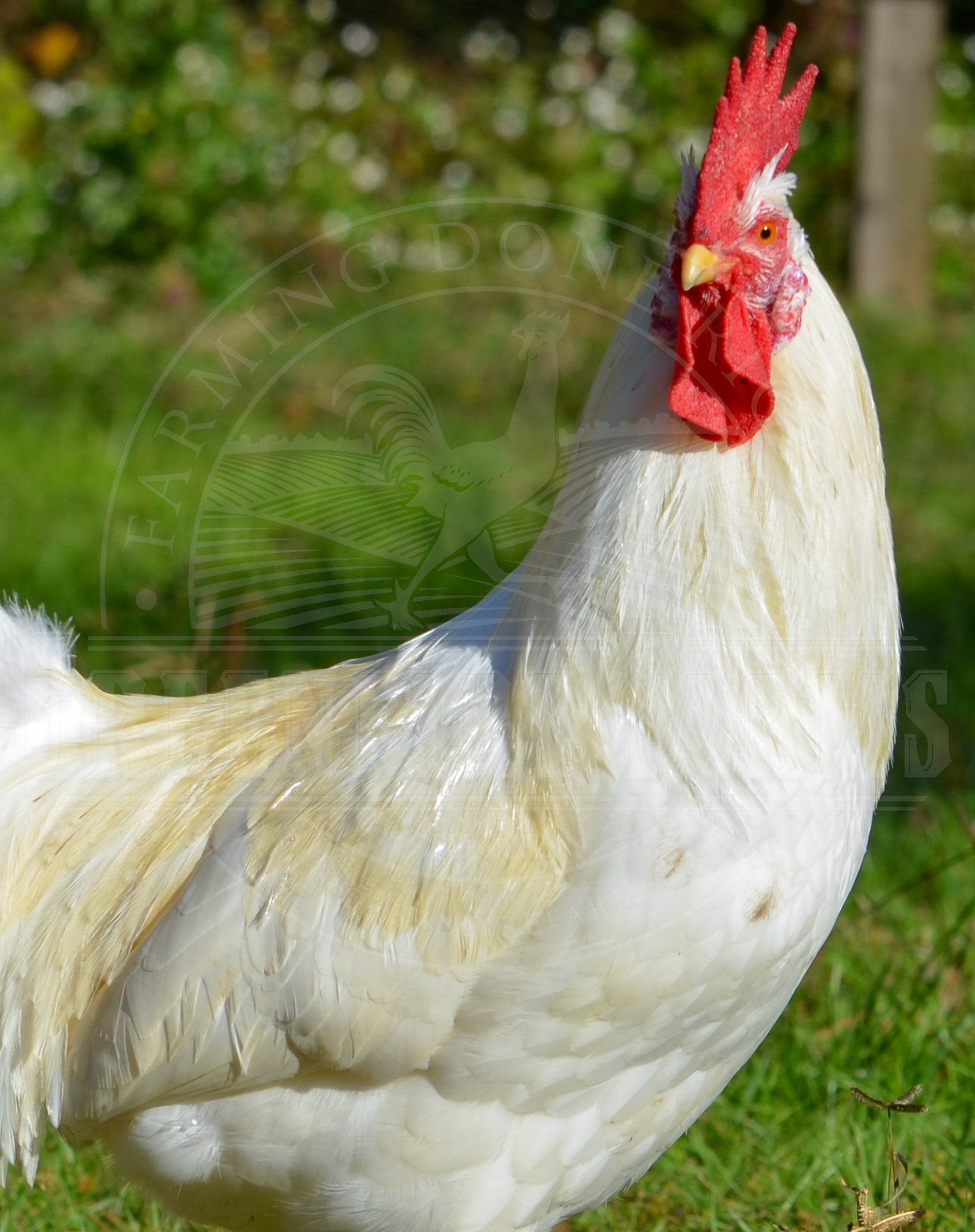
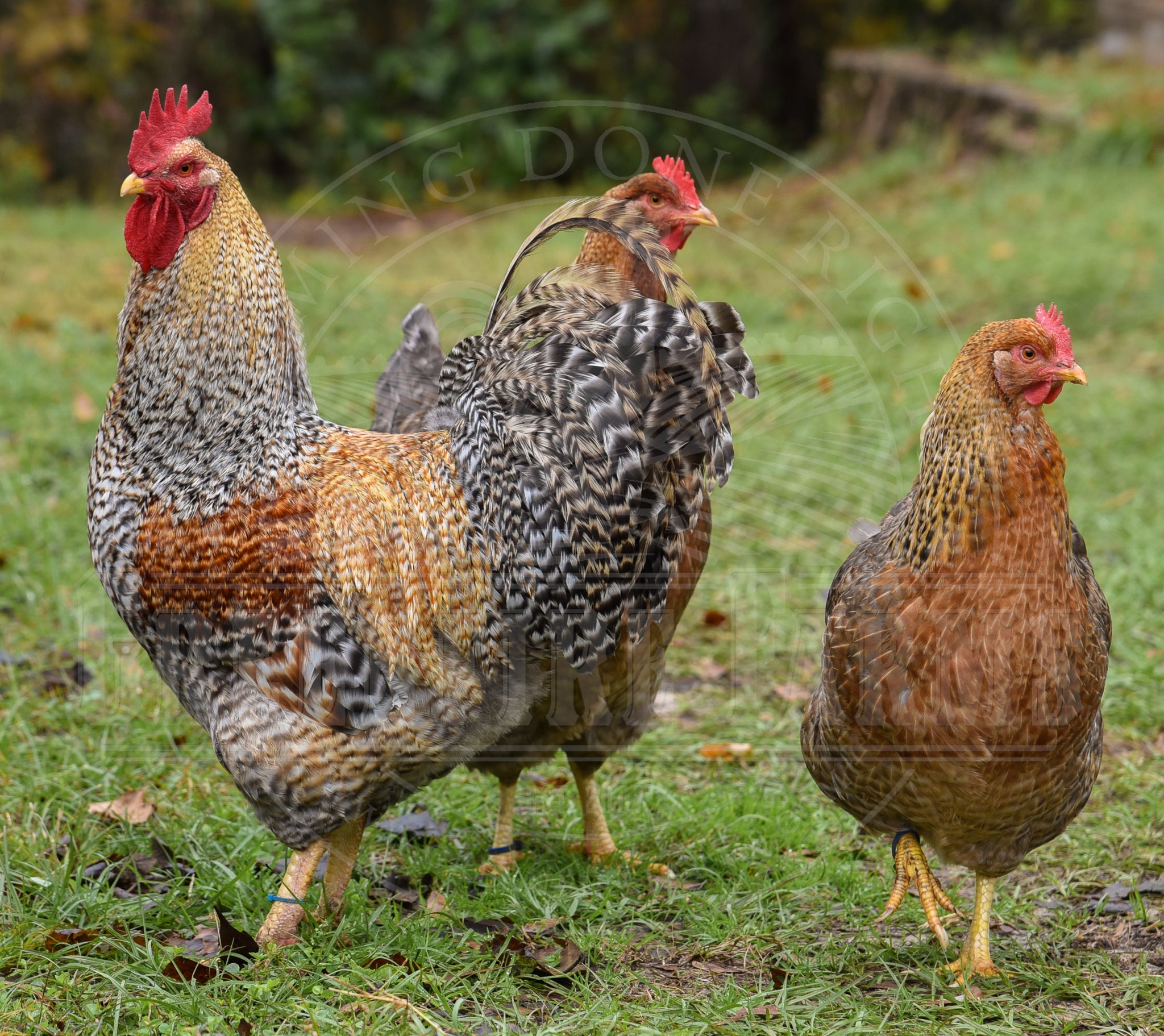
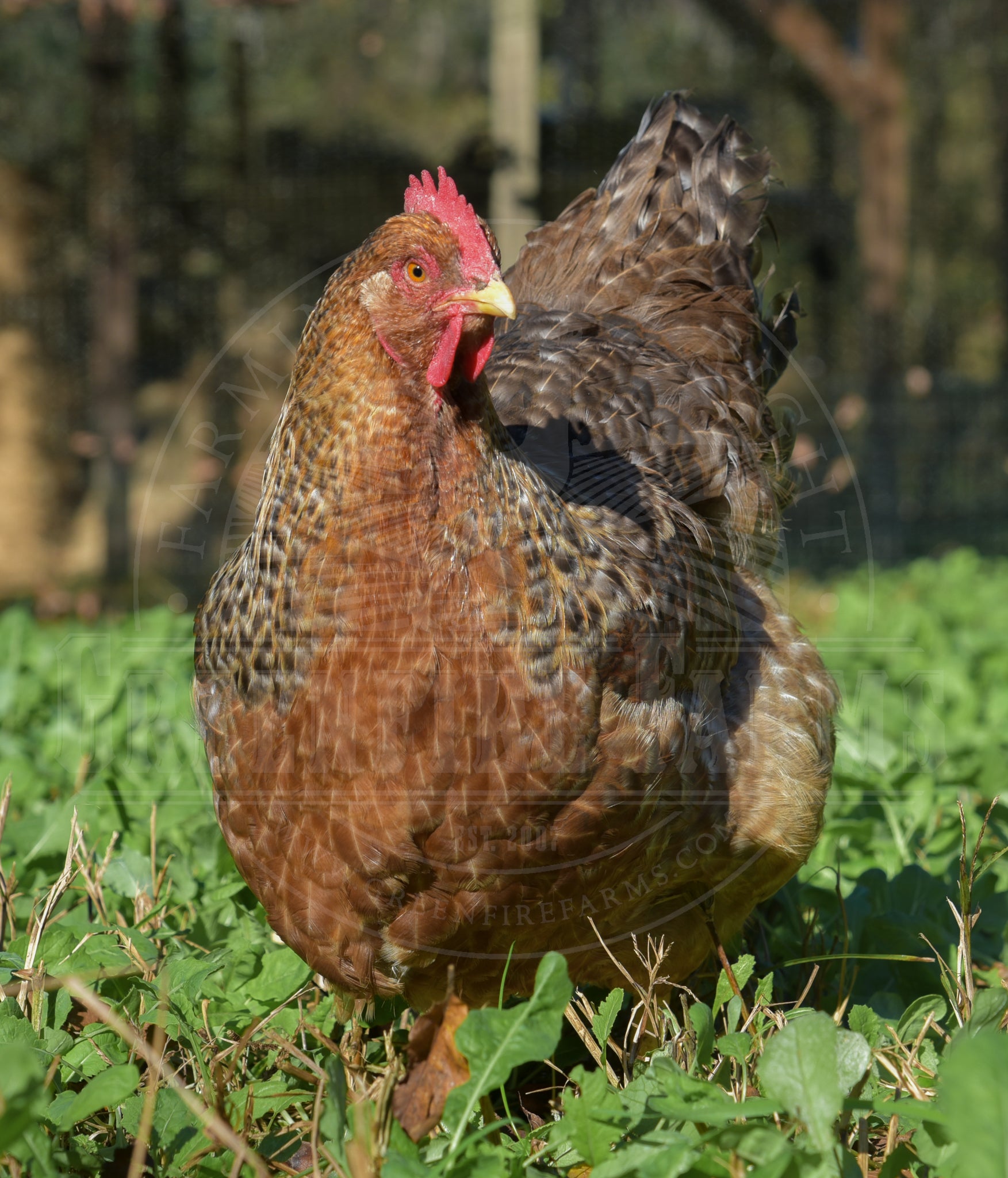
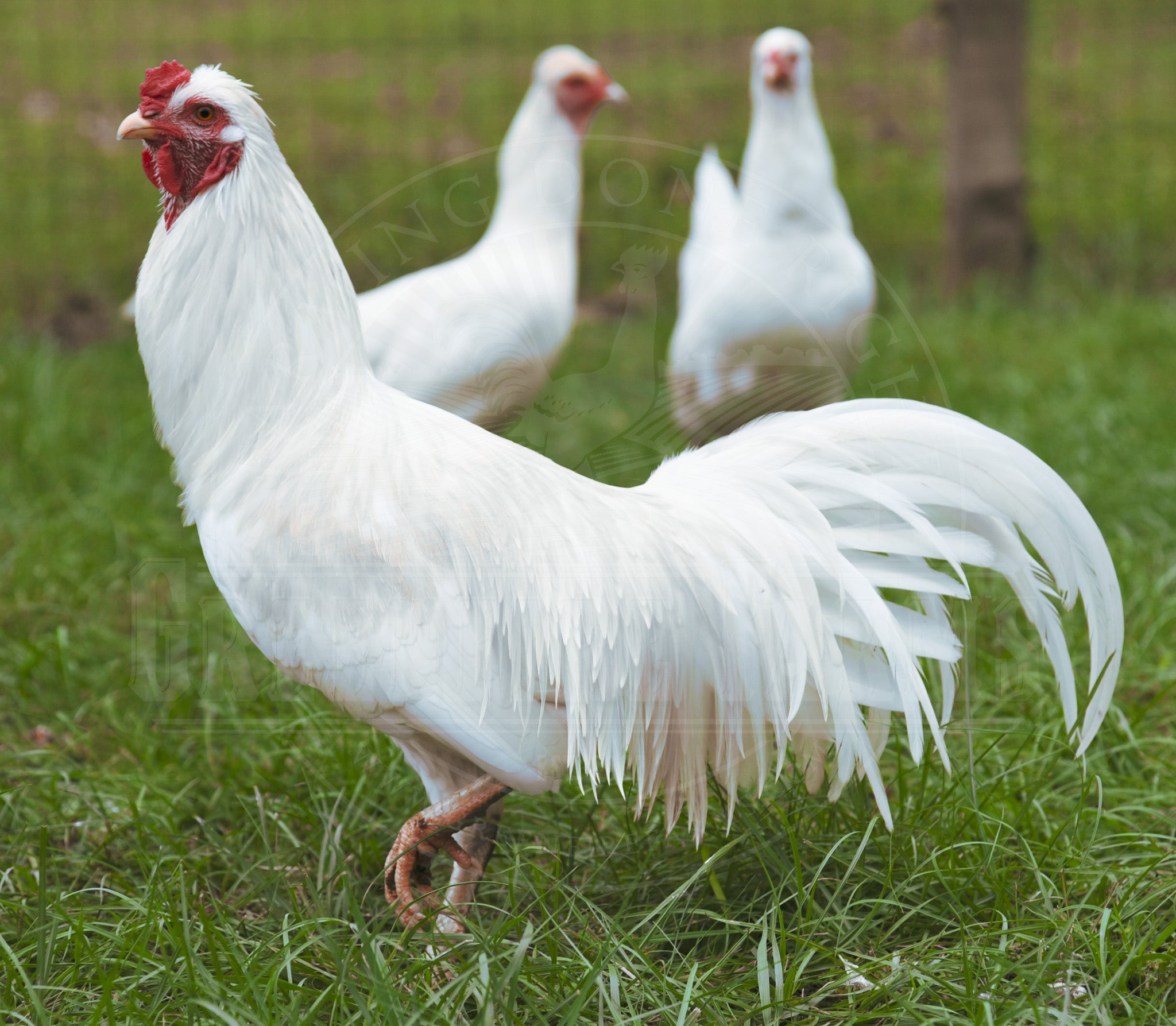
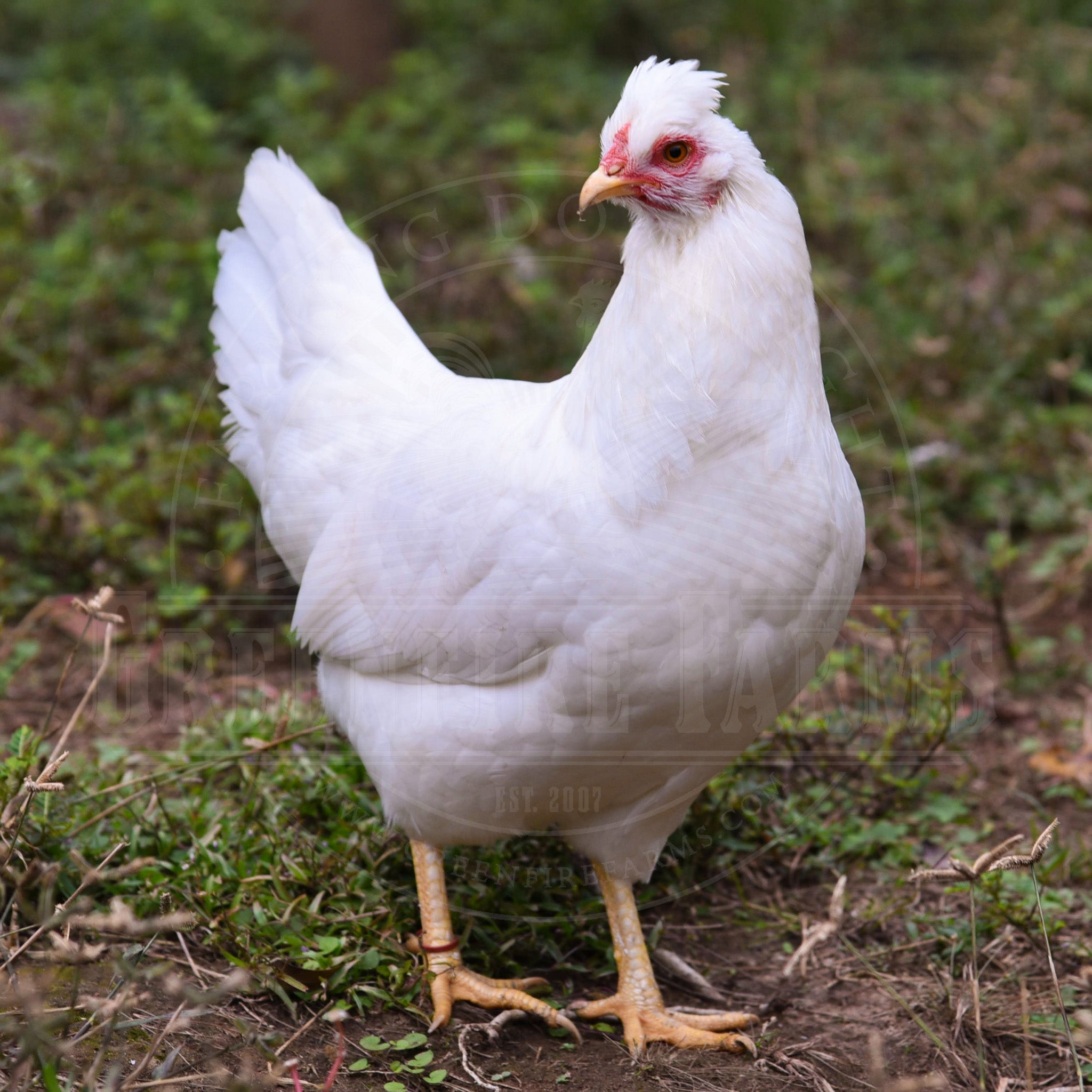
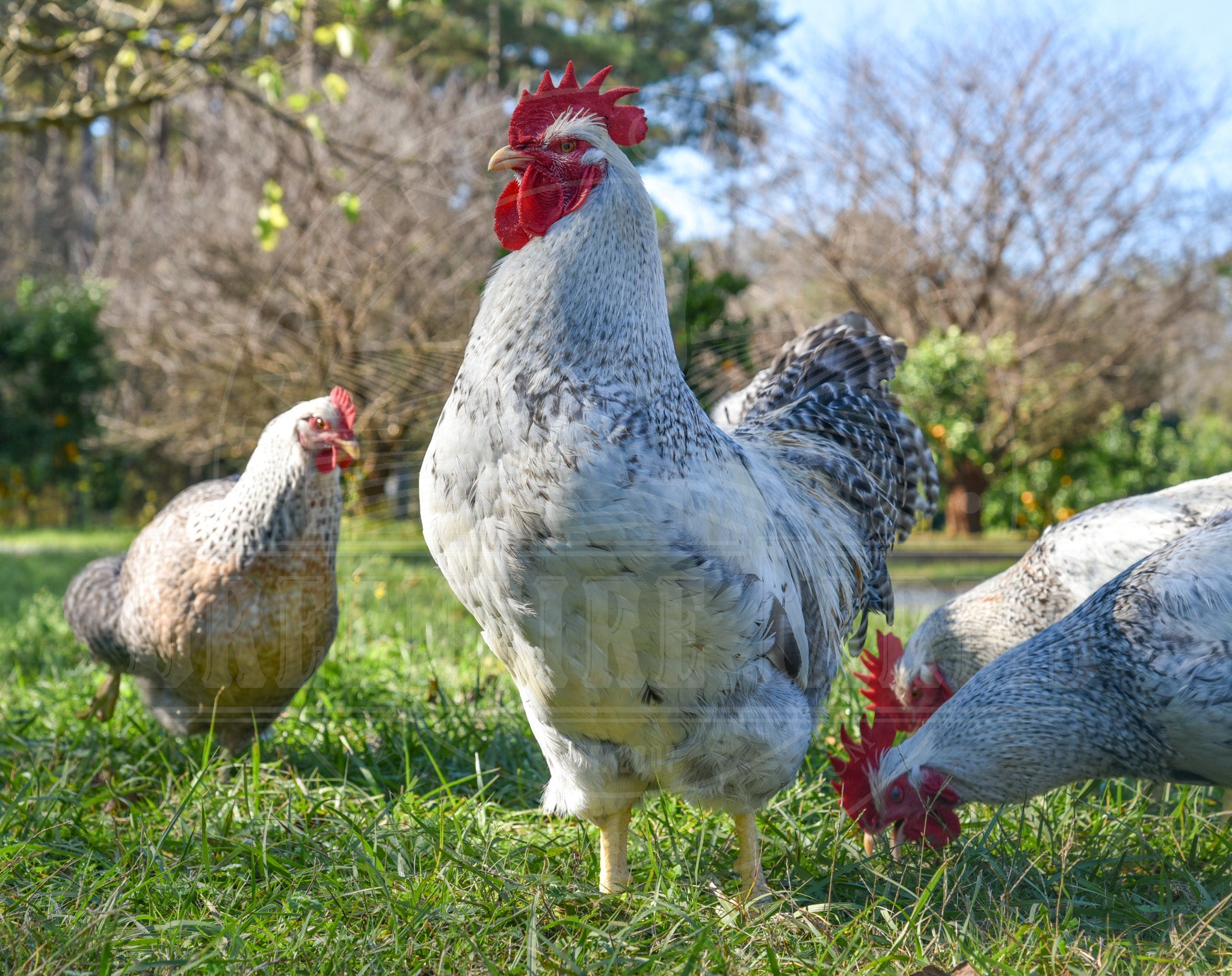
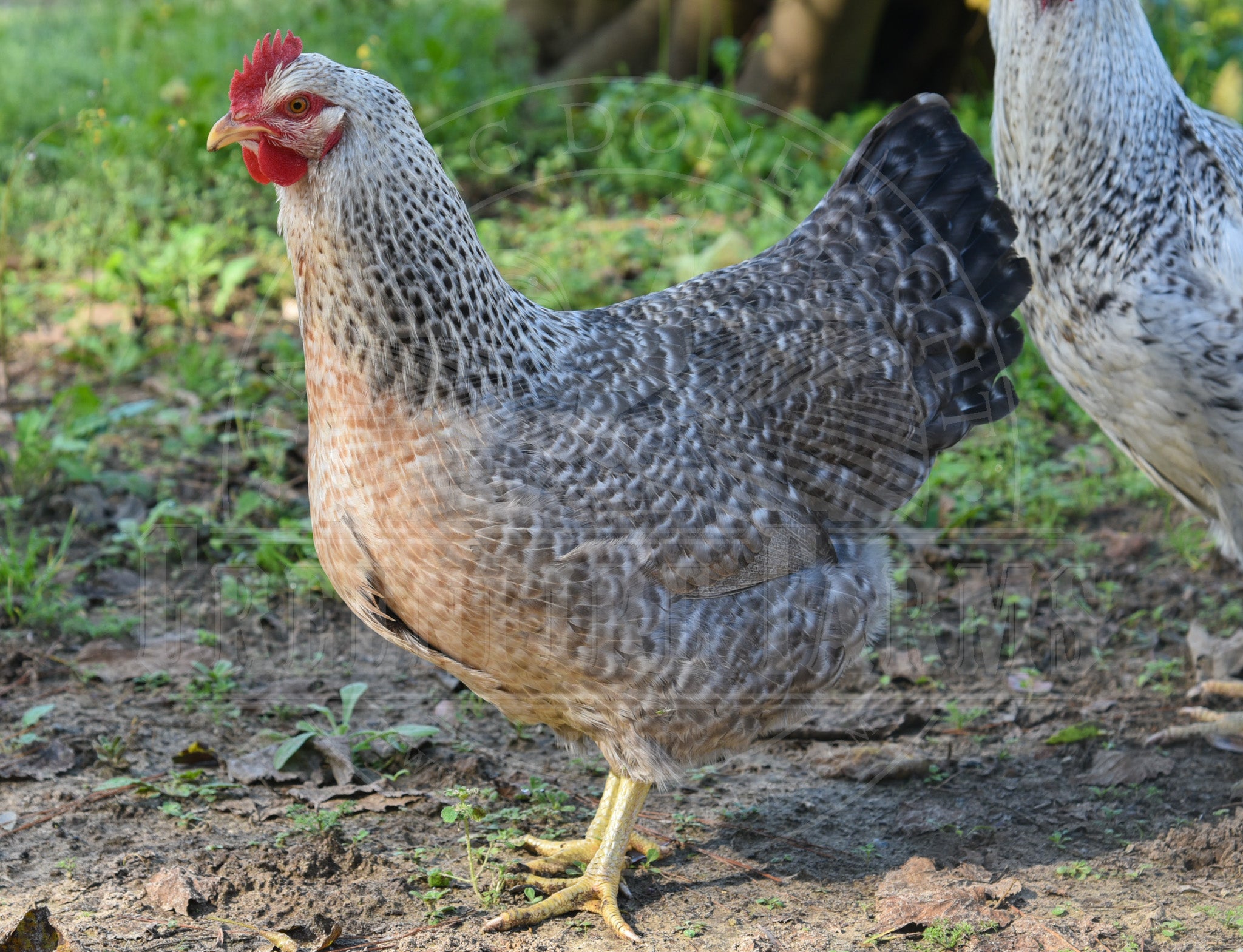
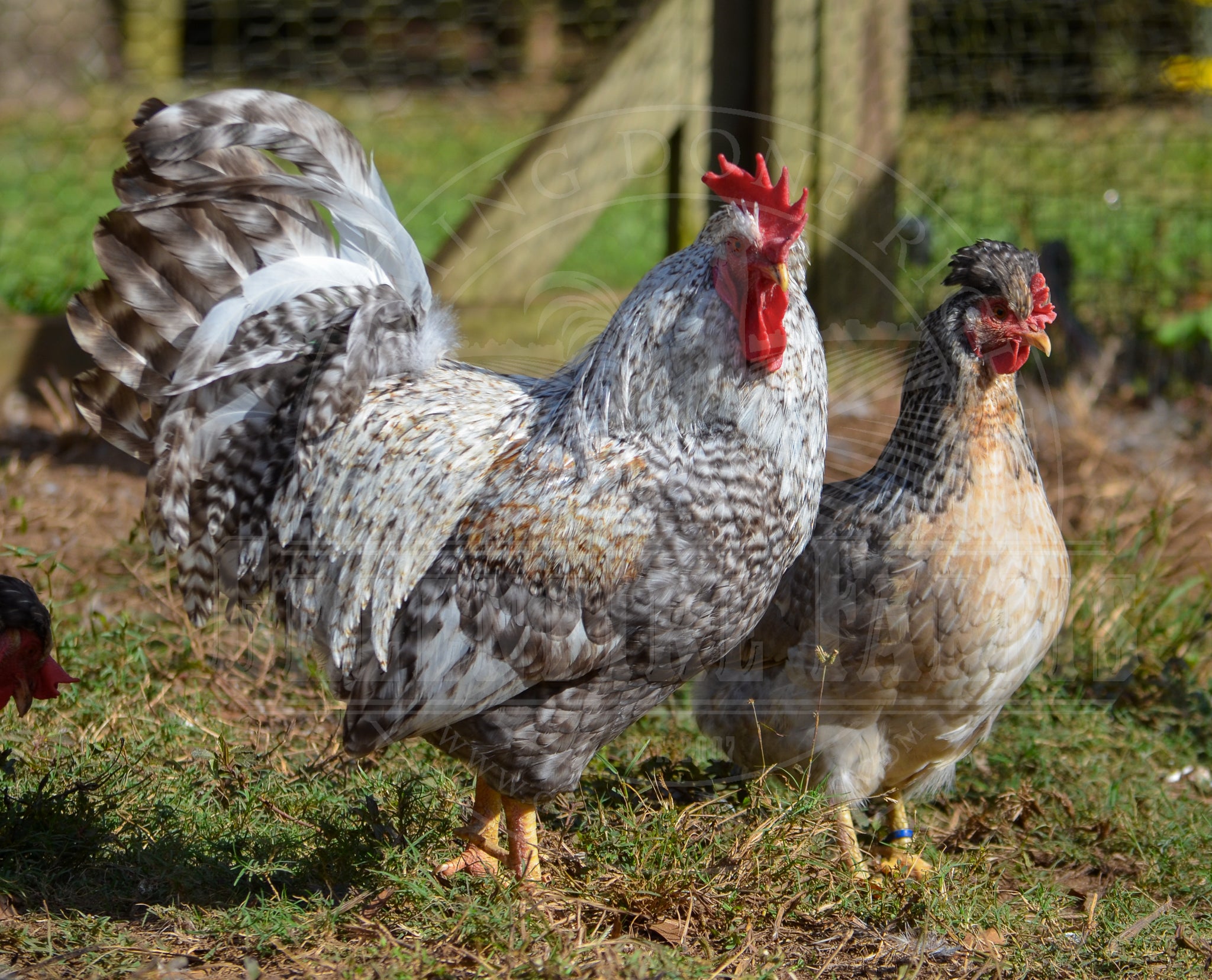
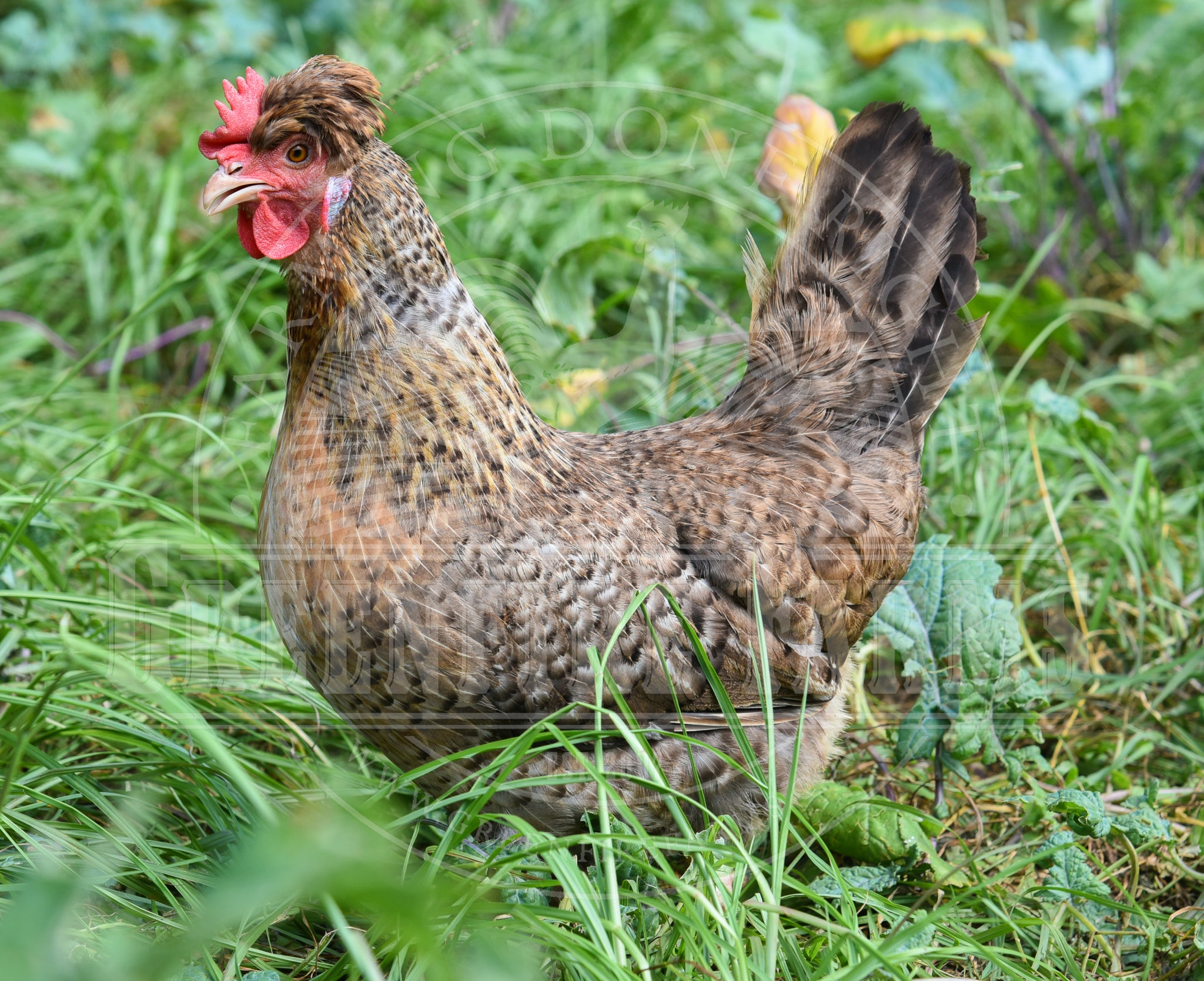
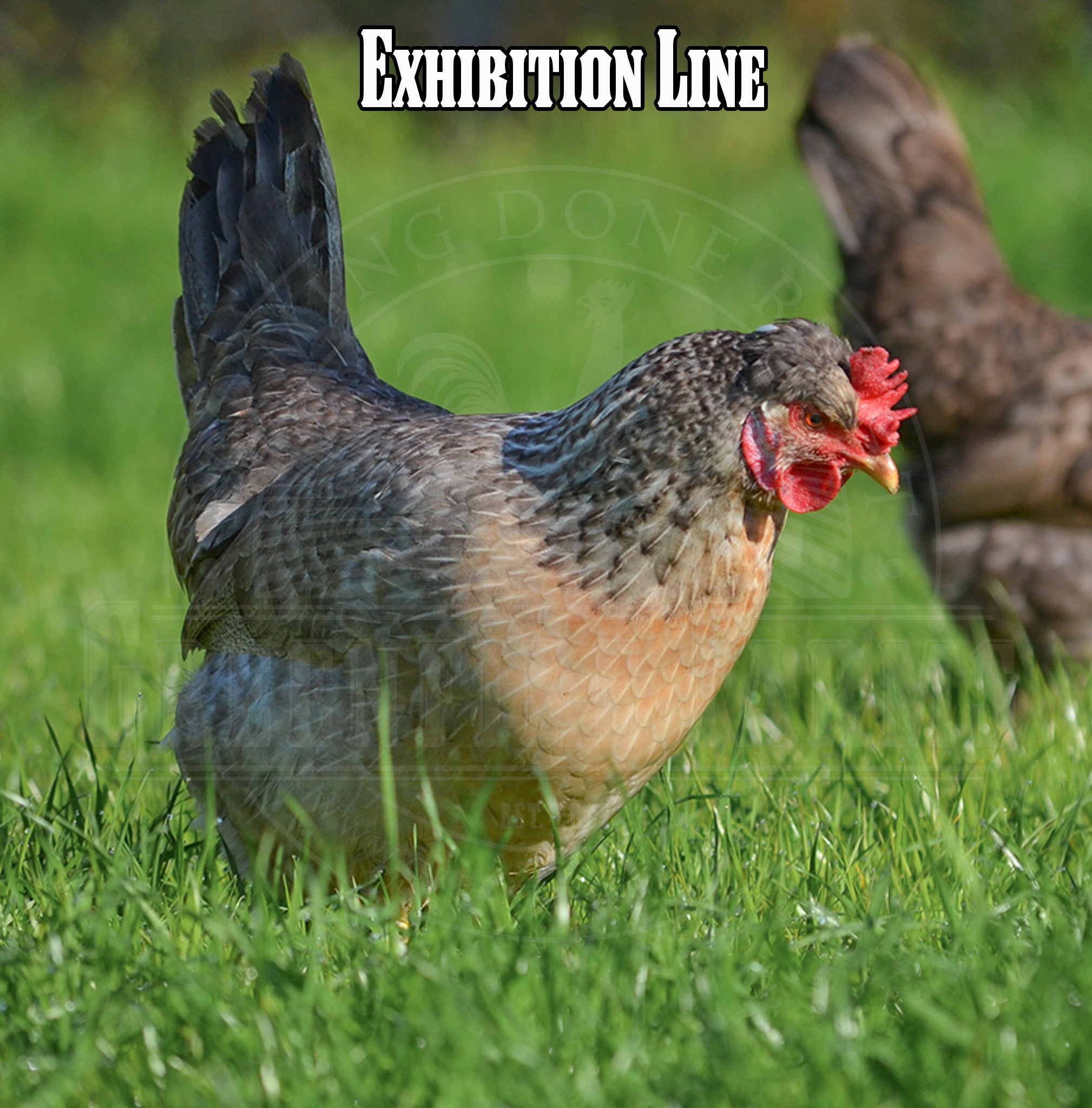
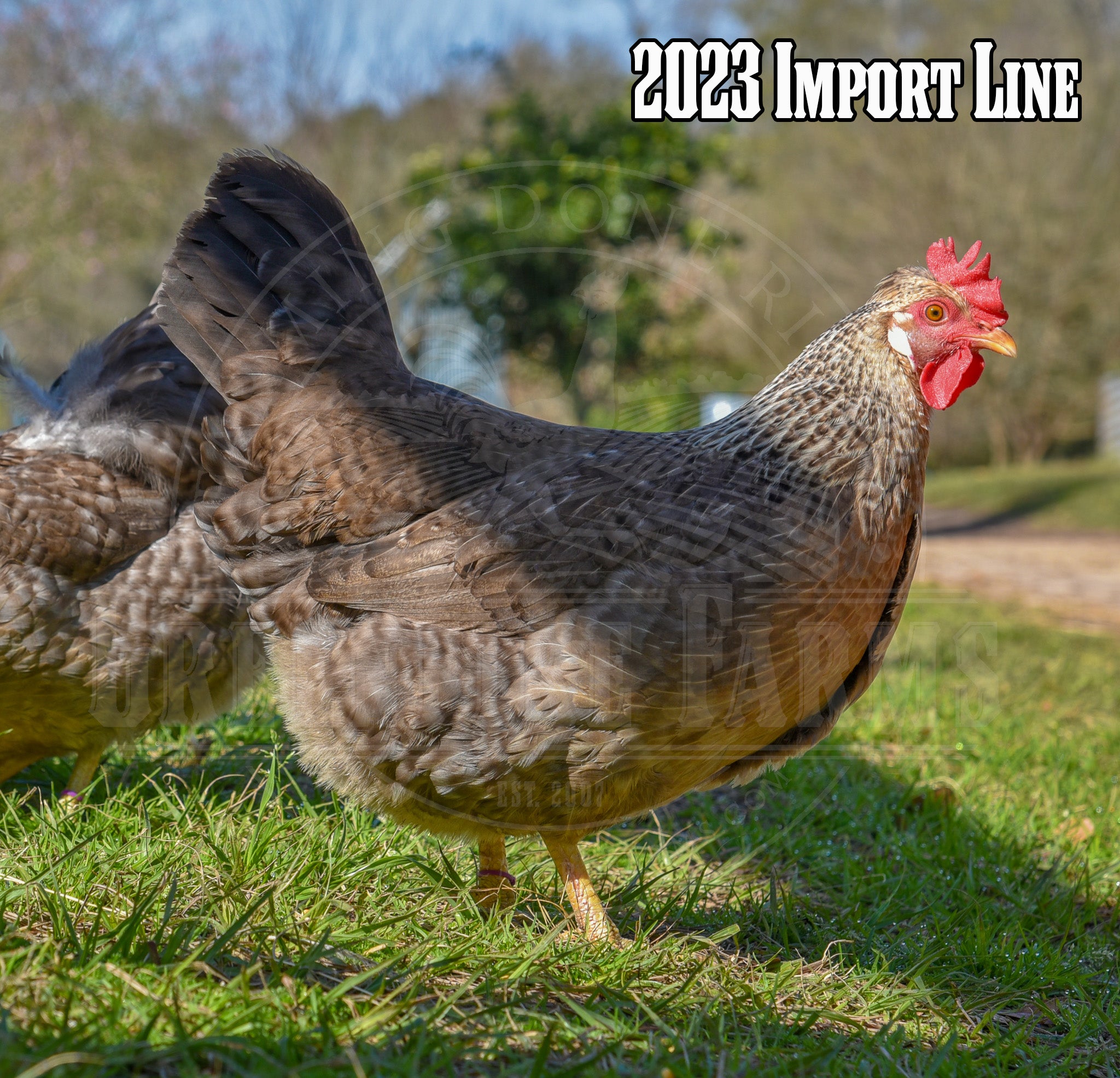
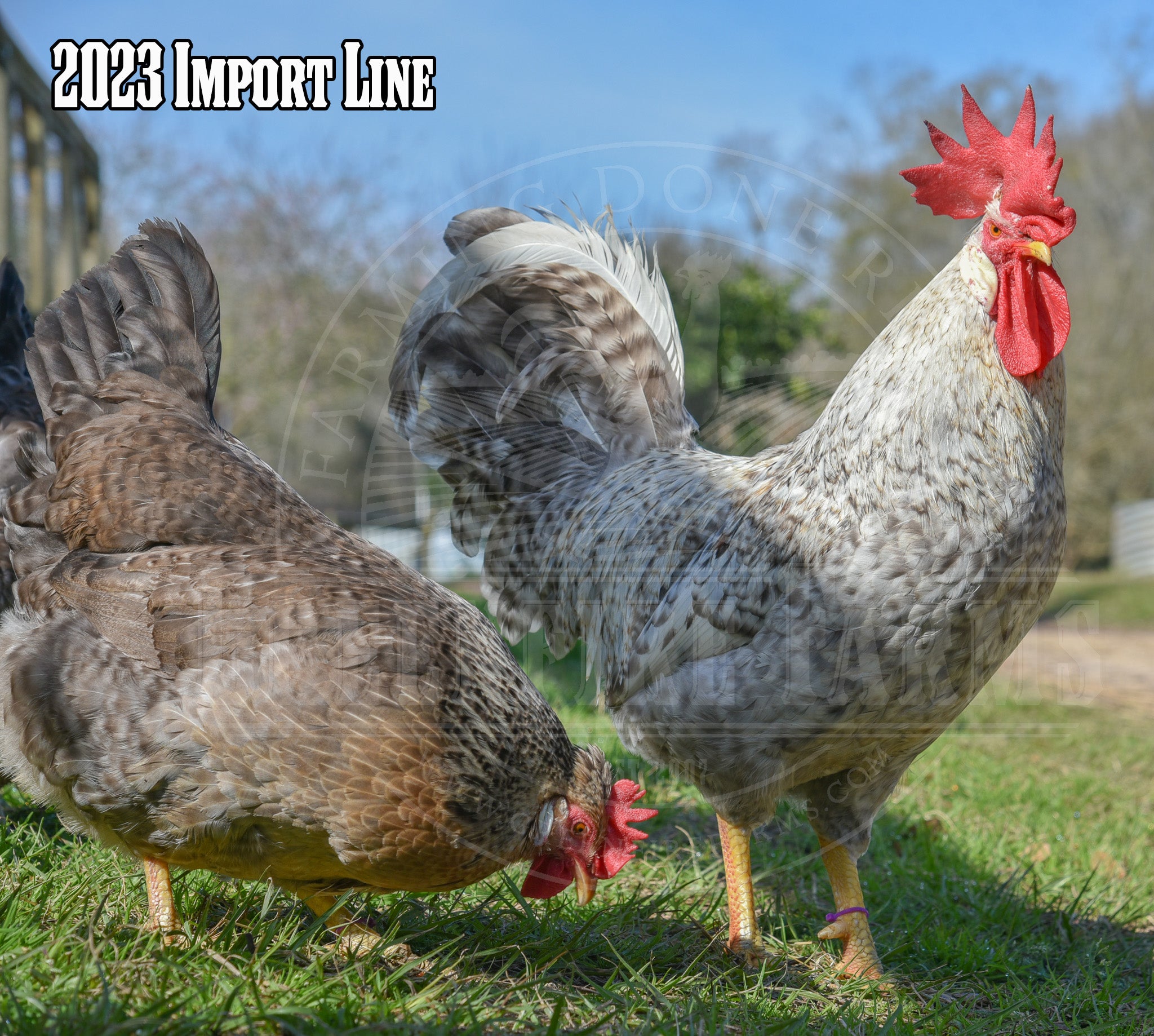
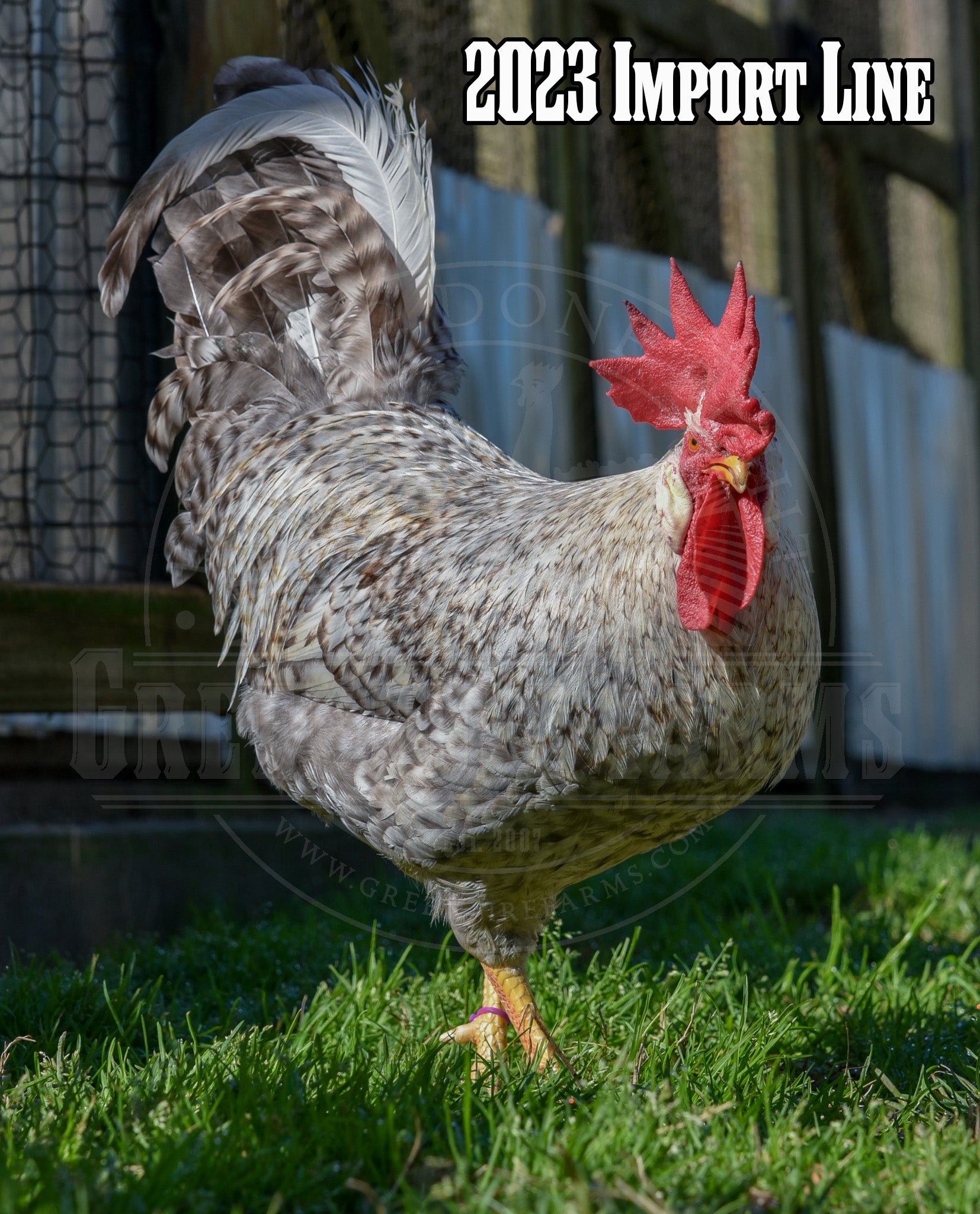
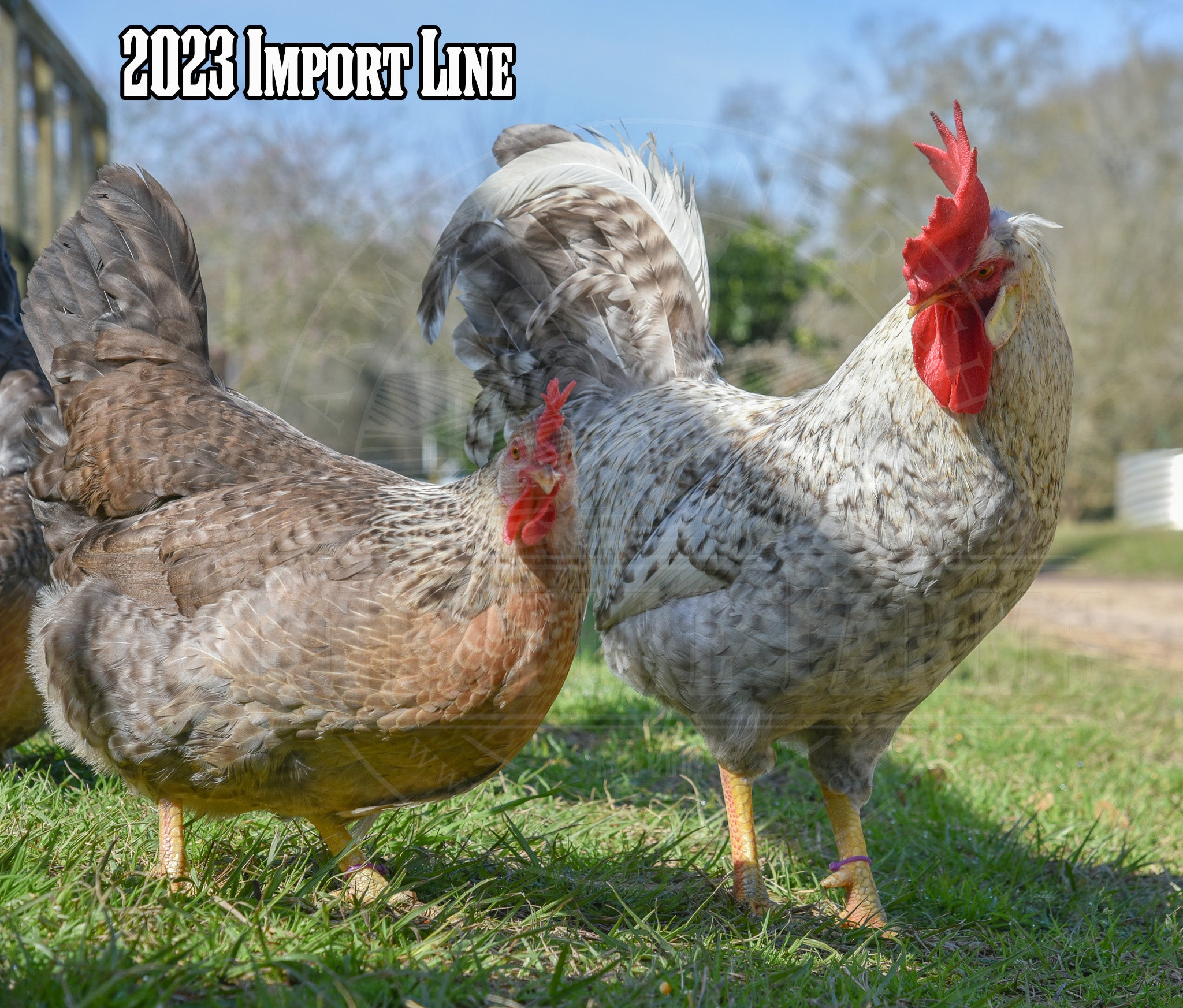
Special Note:  We are now shipping day-old chicks from our new 2013 line of cream legbars!  Then hen pictured here is one of our 2013 breeders and shows the dominant cream color and prominent feather crest we’re seeing in this line.  Demand for these birds is very strong and since we have only a small breeding group we encourage you to reserve your cream legbars soon if you’d like delivery in 2013.

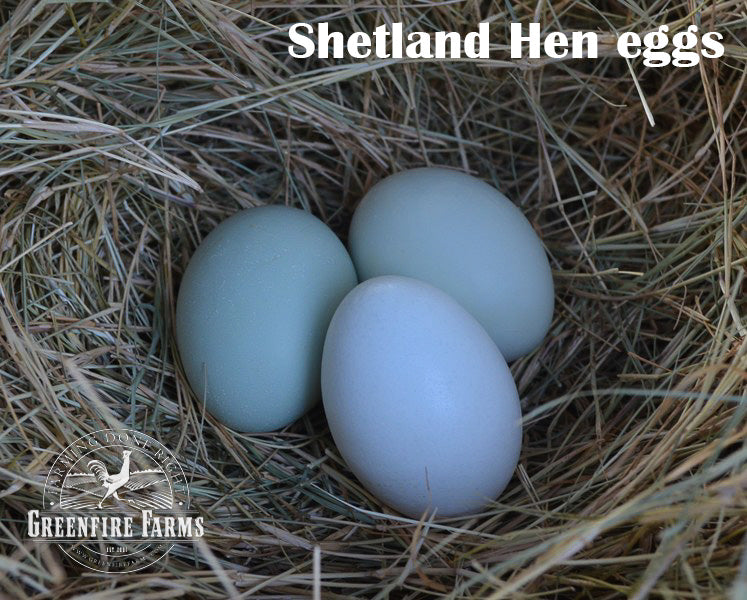
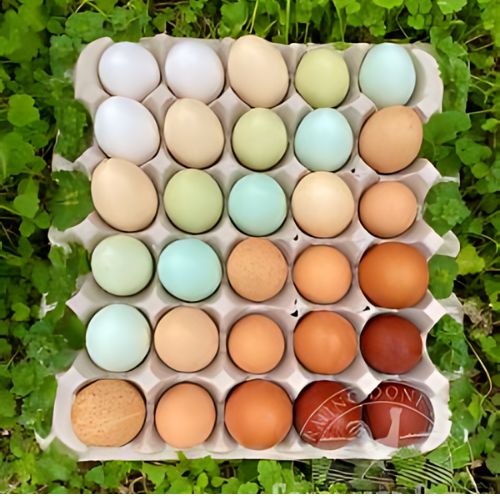
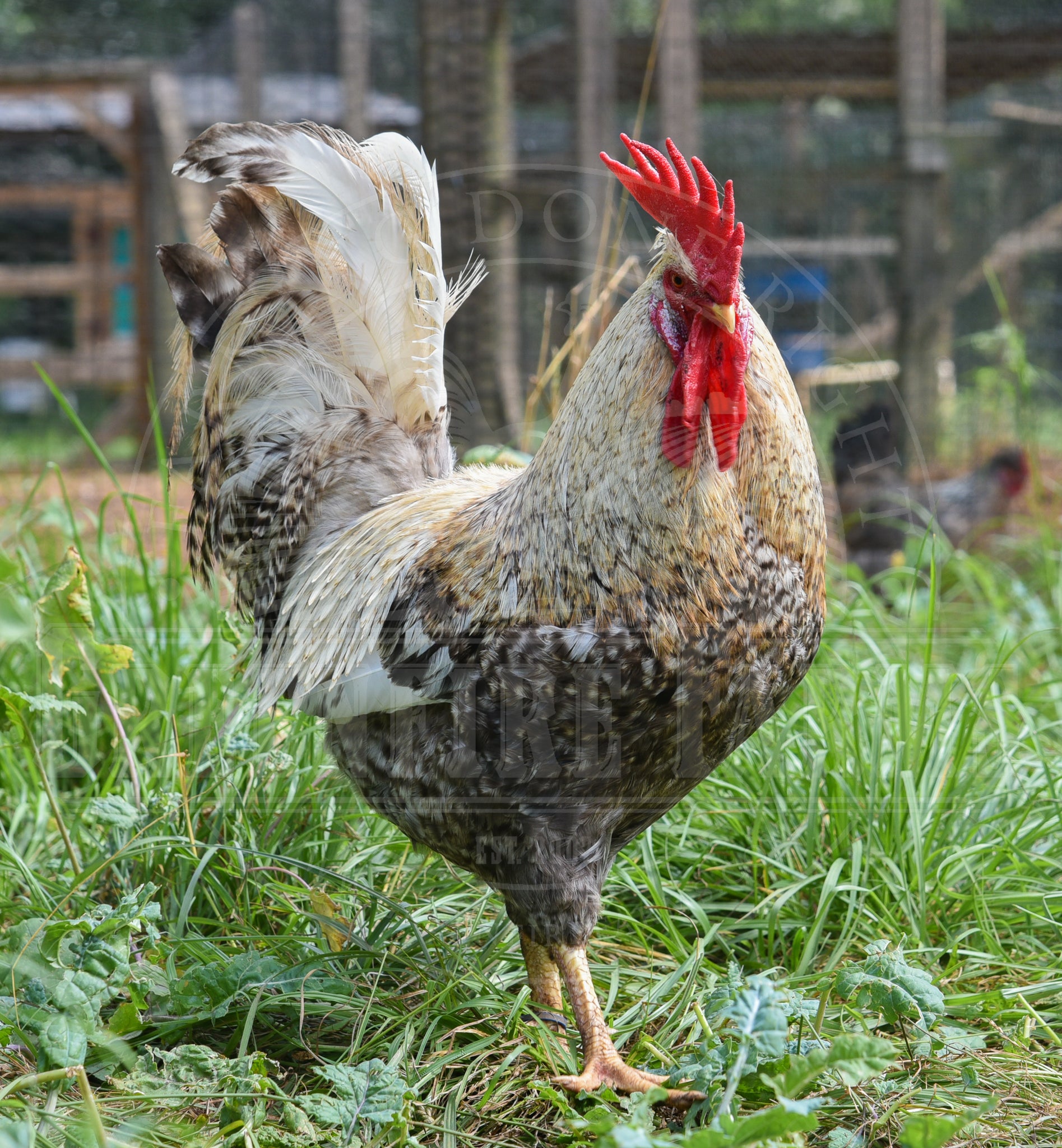
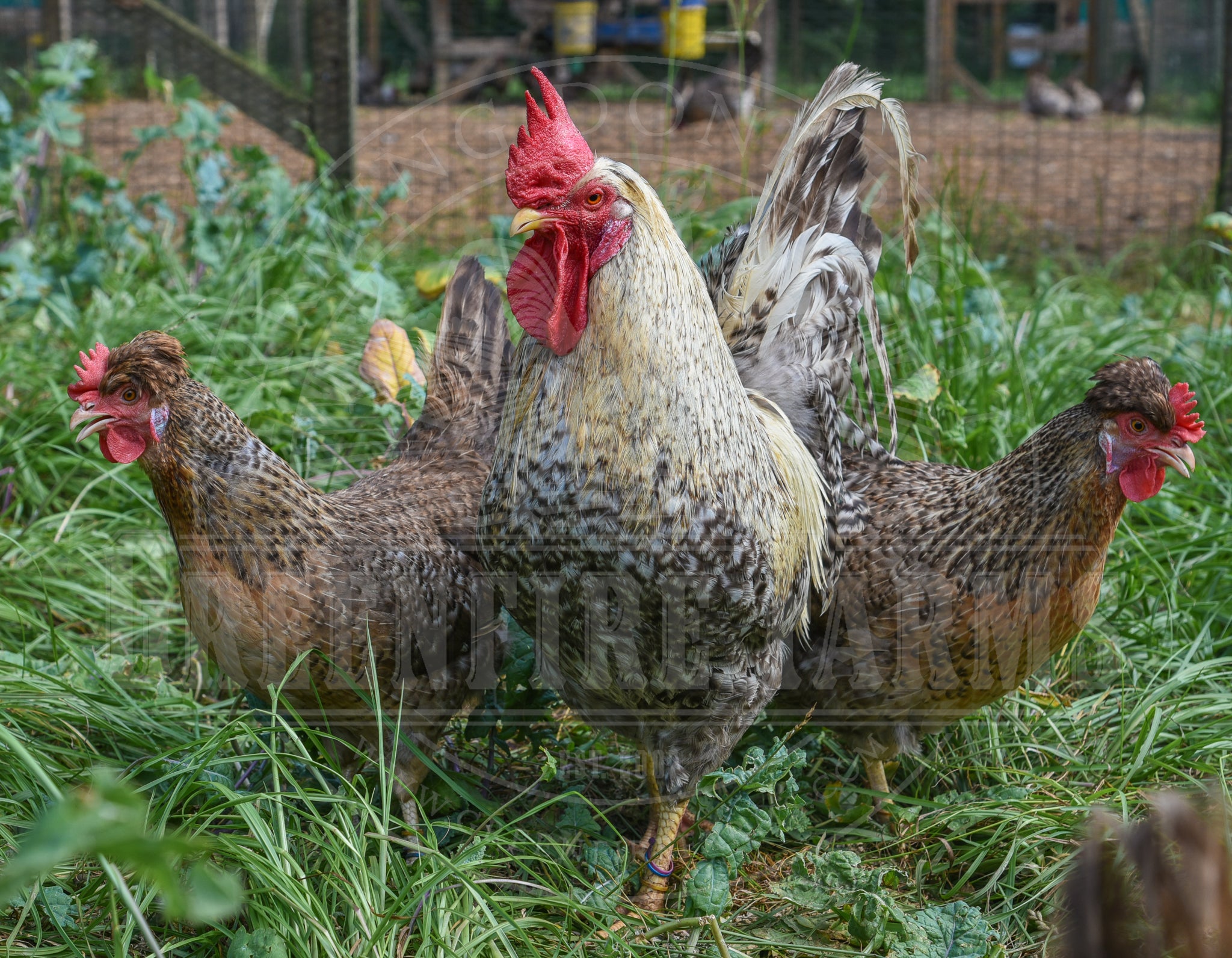
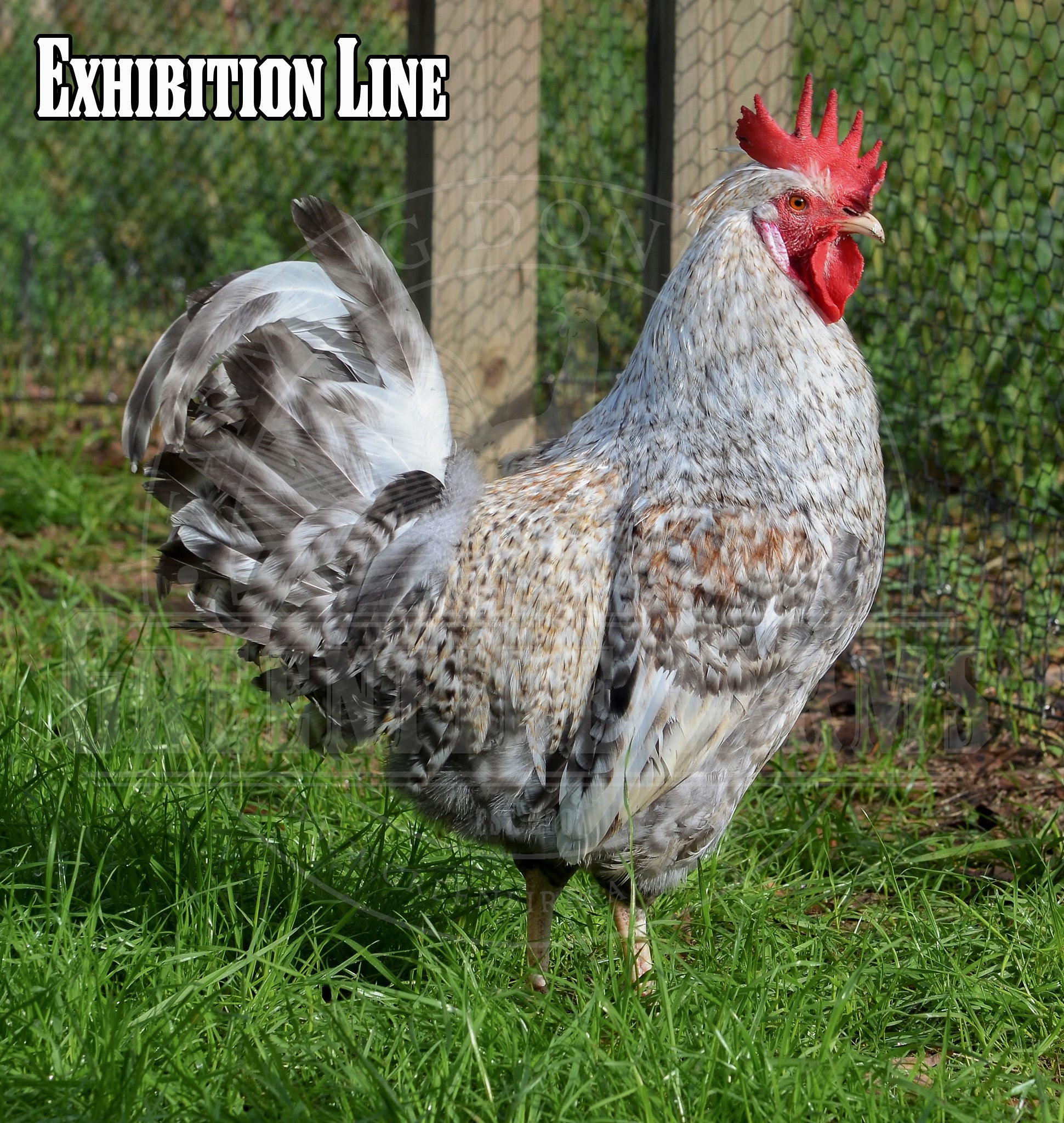
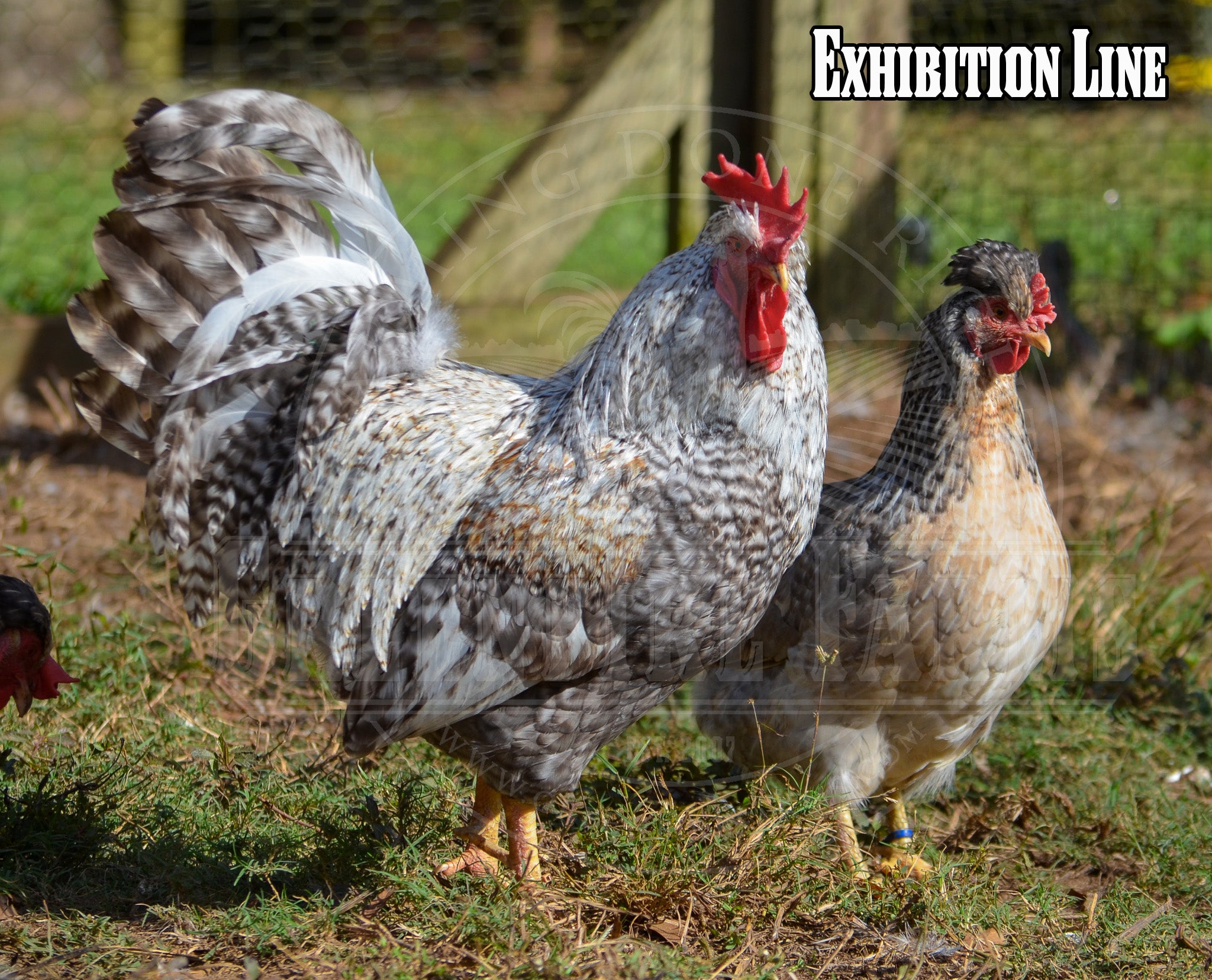
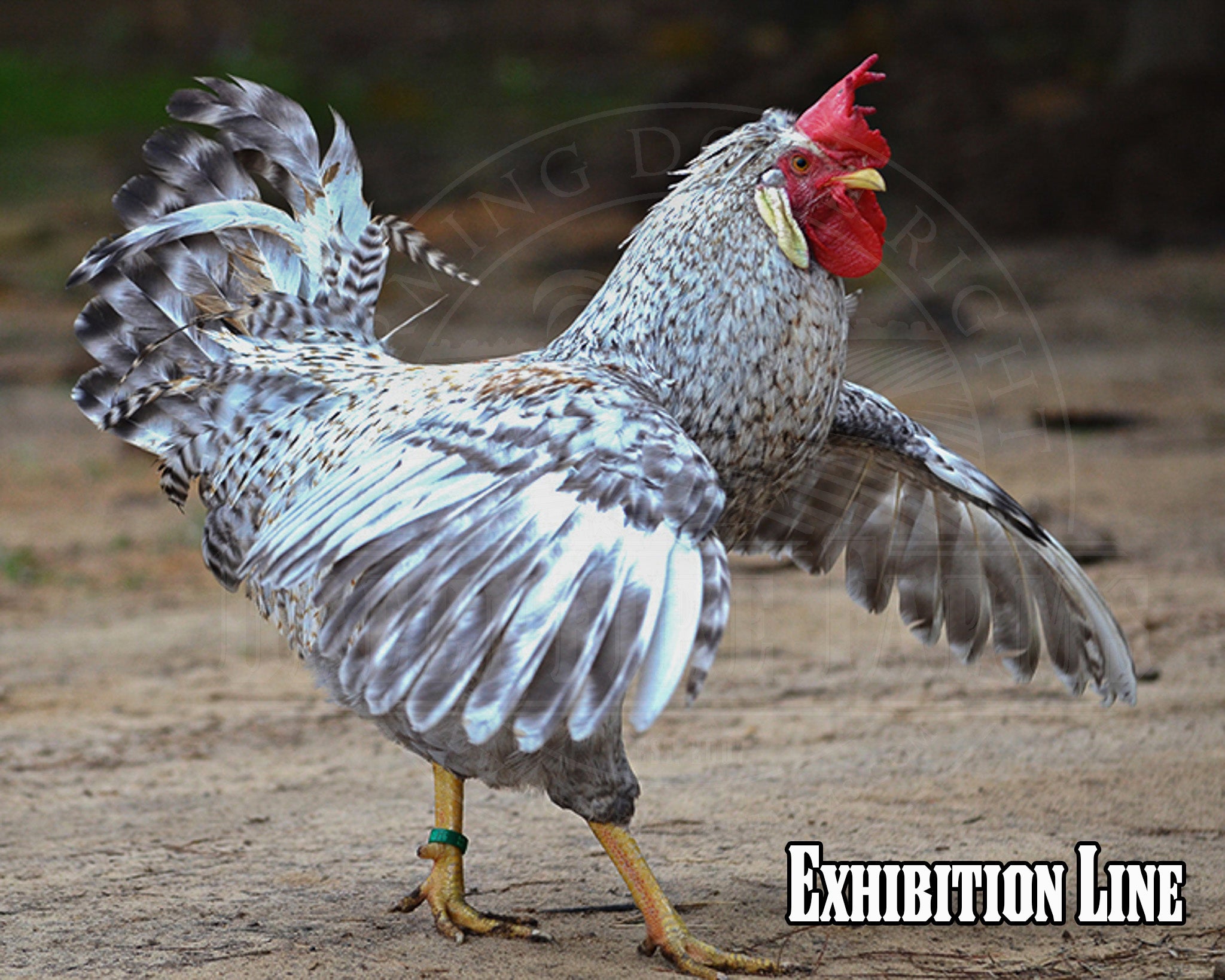
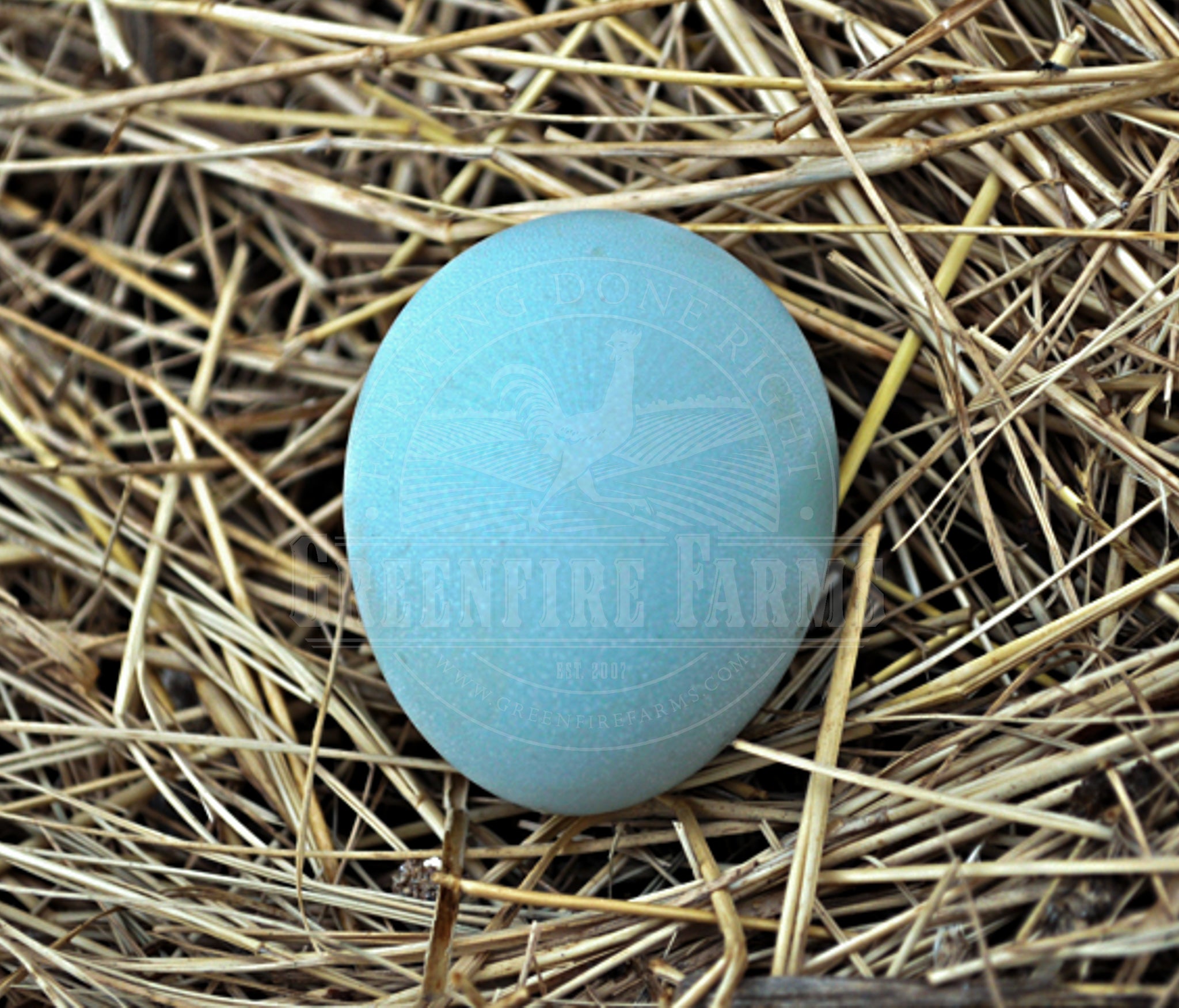
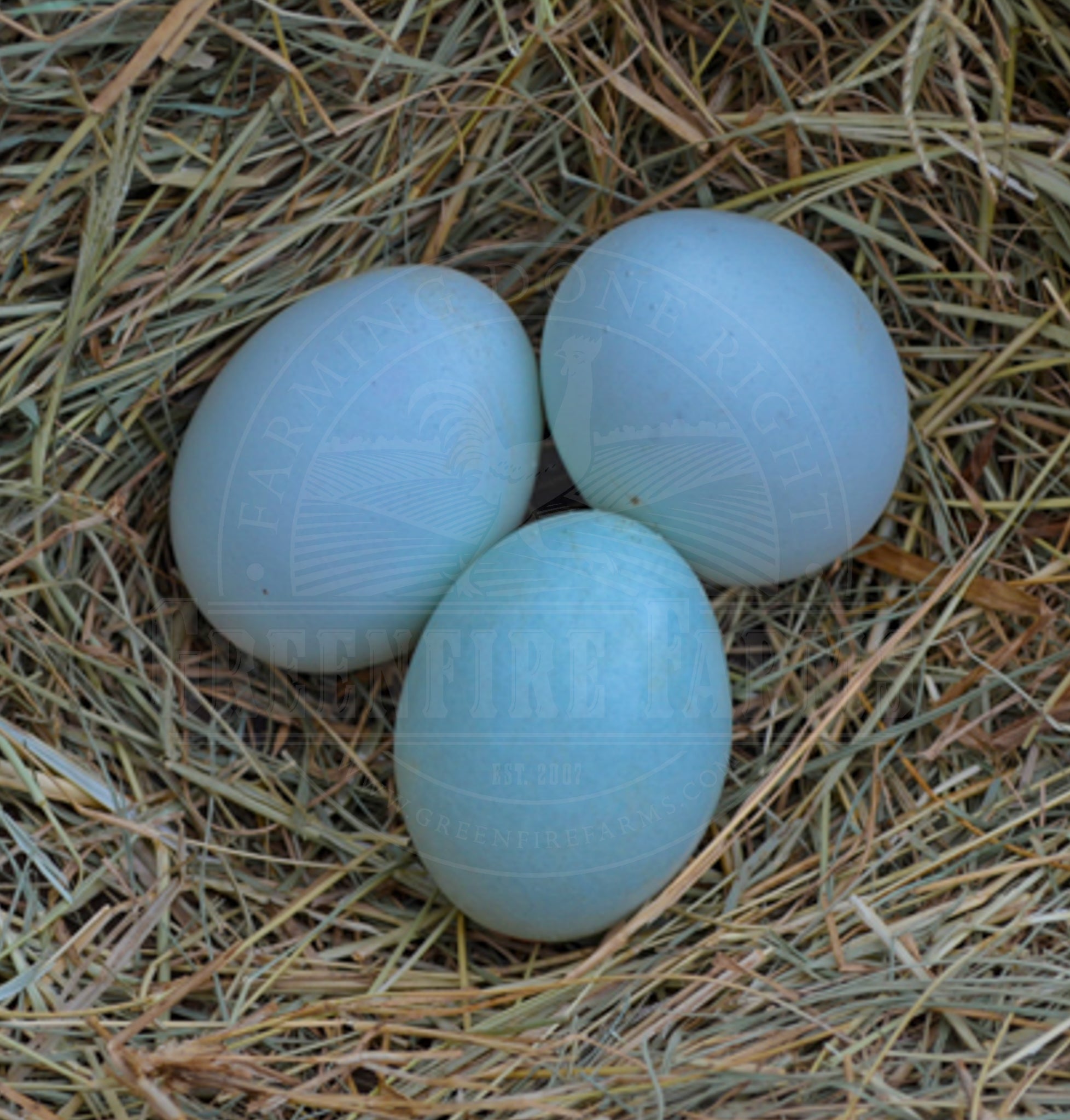
Why did the chicken cross the Atlantic? Apparently to lay mountains of blue eggs. After almost a century in Britain, with a little help from Greenfire Farms the cream legbar has made the leap to the United States, offering a new array of options for America’s backyard poultry enthusiasts. With its spiky feather crest and its penchant for laying vast quantities of sky-blue eggs, the legbar is sure to get an enthusiastic welcome as the new kid on the block. But, the appeal of these obvious features pales in comparison to the revolutionary practicality cream legbars offer Americans: the ability to produce visually sexable chicks, generation after generation.  For these reasons Greenfire Farms is pleased to introduce this remarkable breed to America.

Legbars have a fascinating history that begins on another continent in a different century. In the aftermath of World War I, Britain struggled to regain its economic footing after the costly and devastating conflict. A key component of Britain’s agricultural economy was its large commercial poultry flocks. But, as every backyard chicken breeder knows, the problem with raising chickens is that you end up with far more roosters than you need. British farmers didn’t have a single kernel of corn to spare, but they lacked the ability to identify male chicks when they hatched and cull them from their commercial flocks.

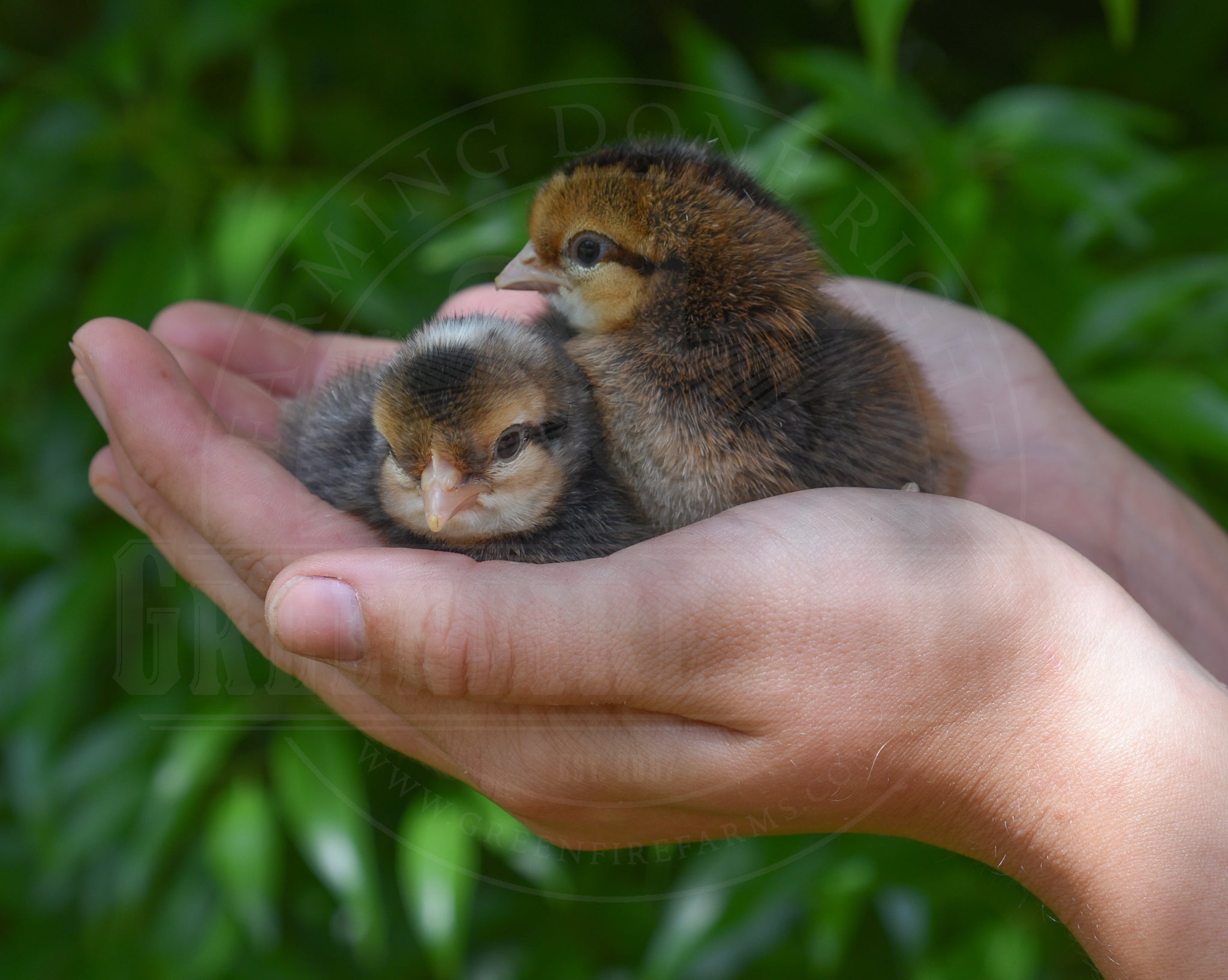
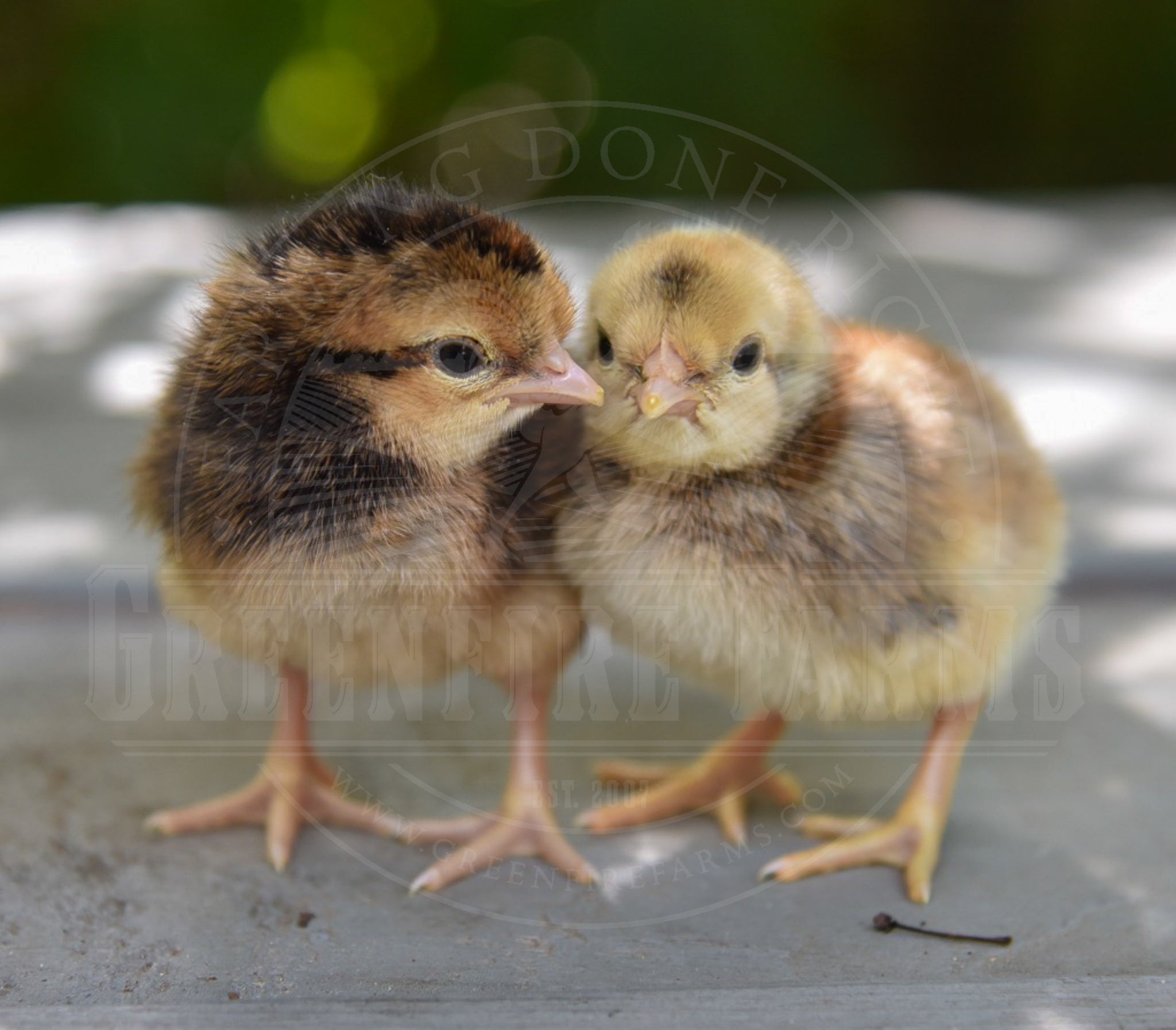
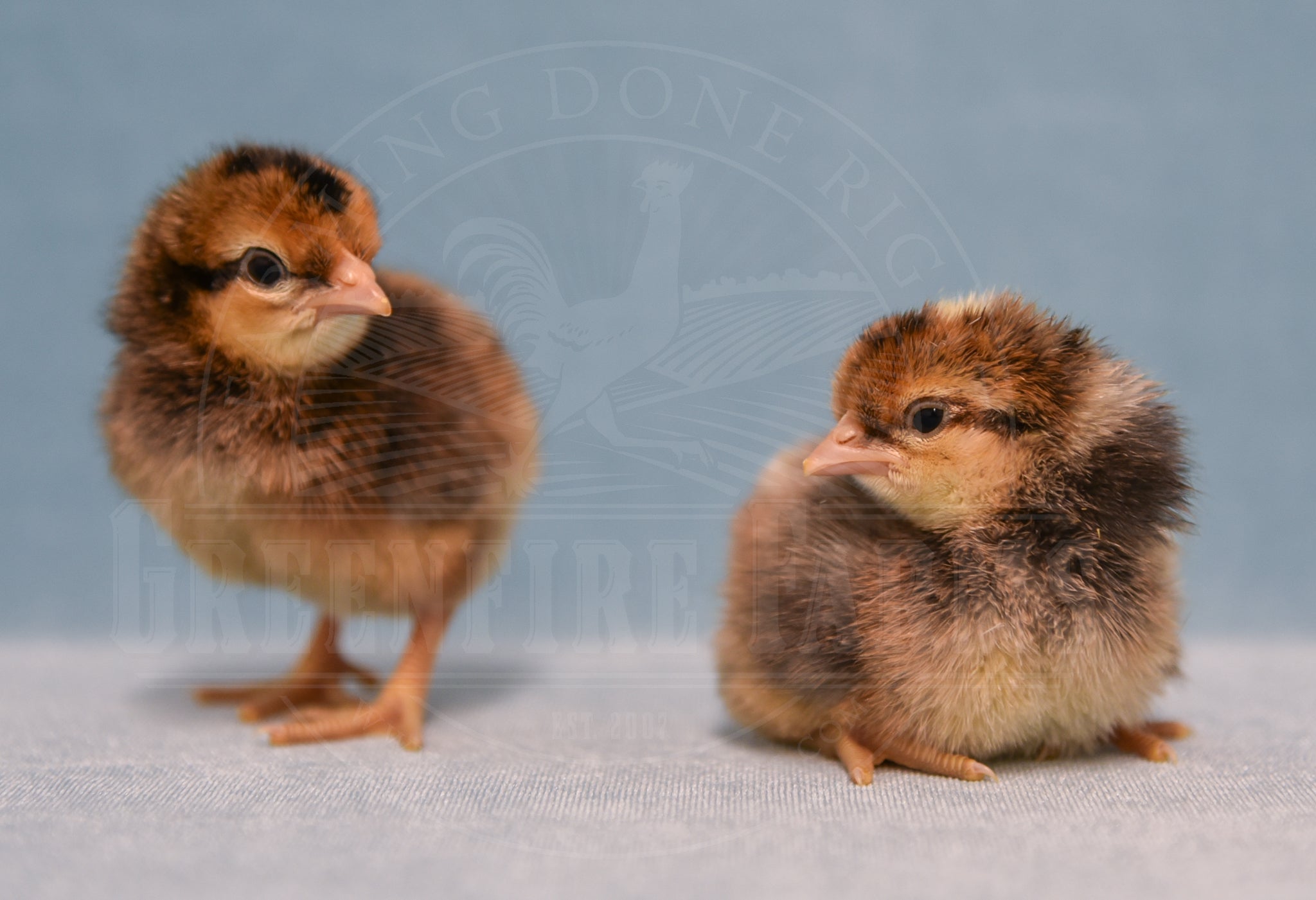
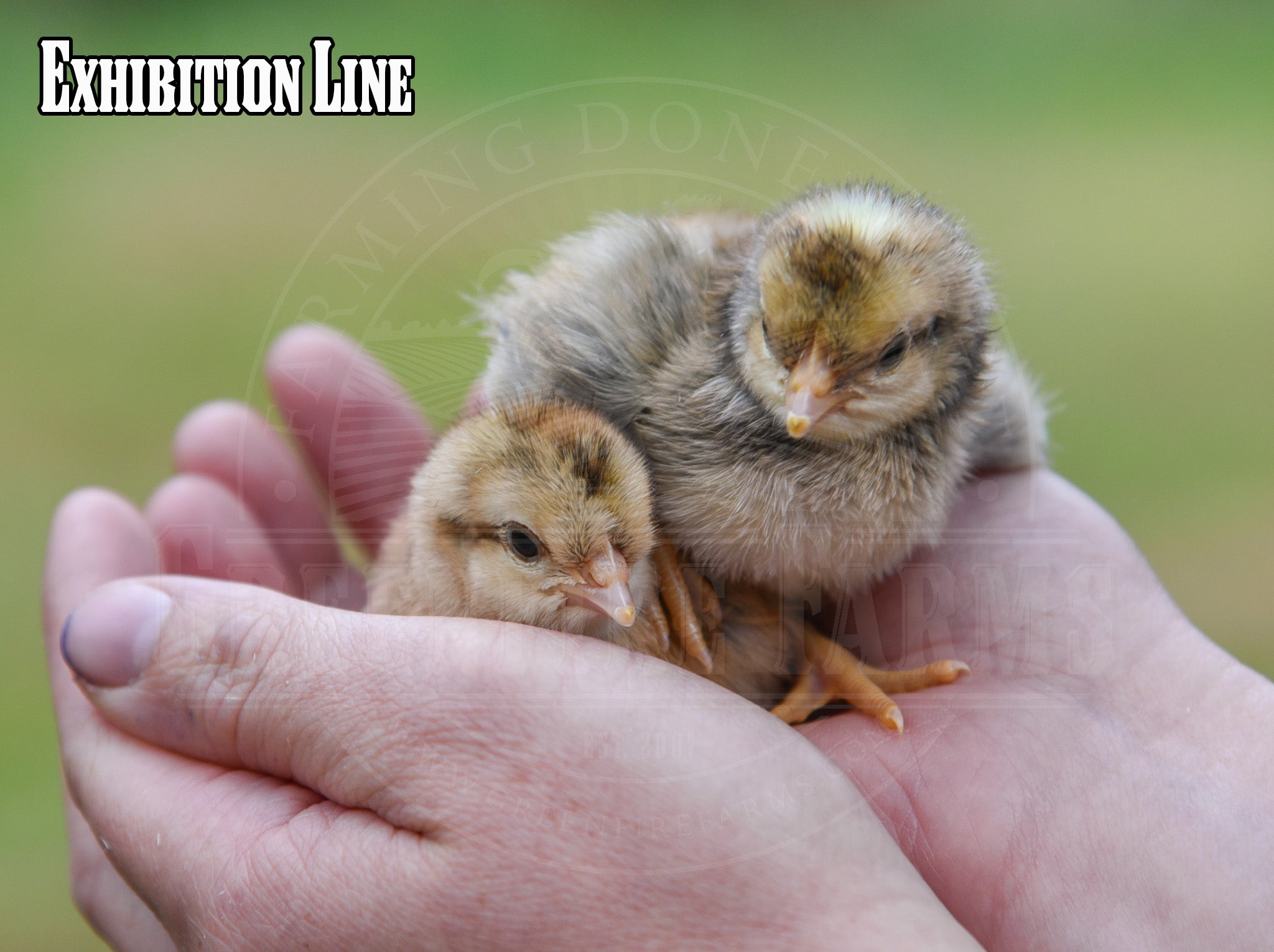
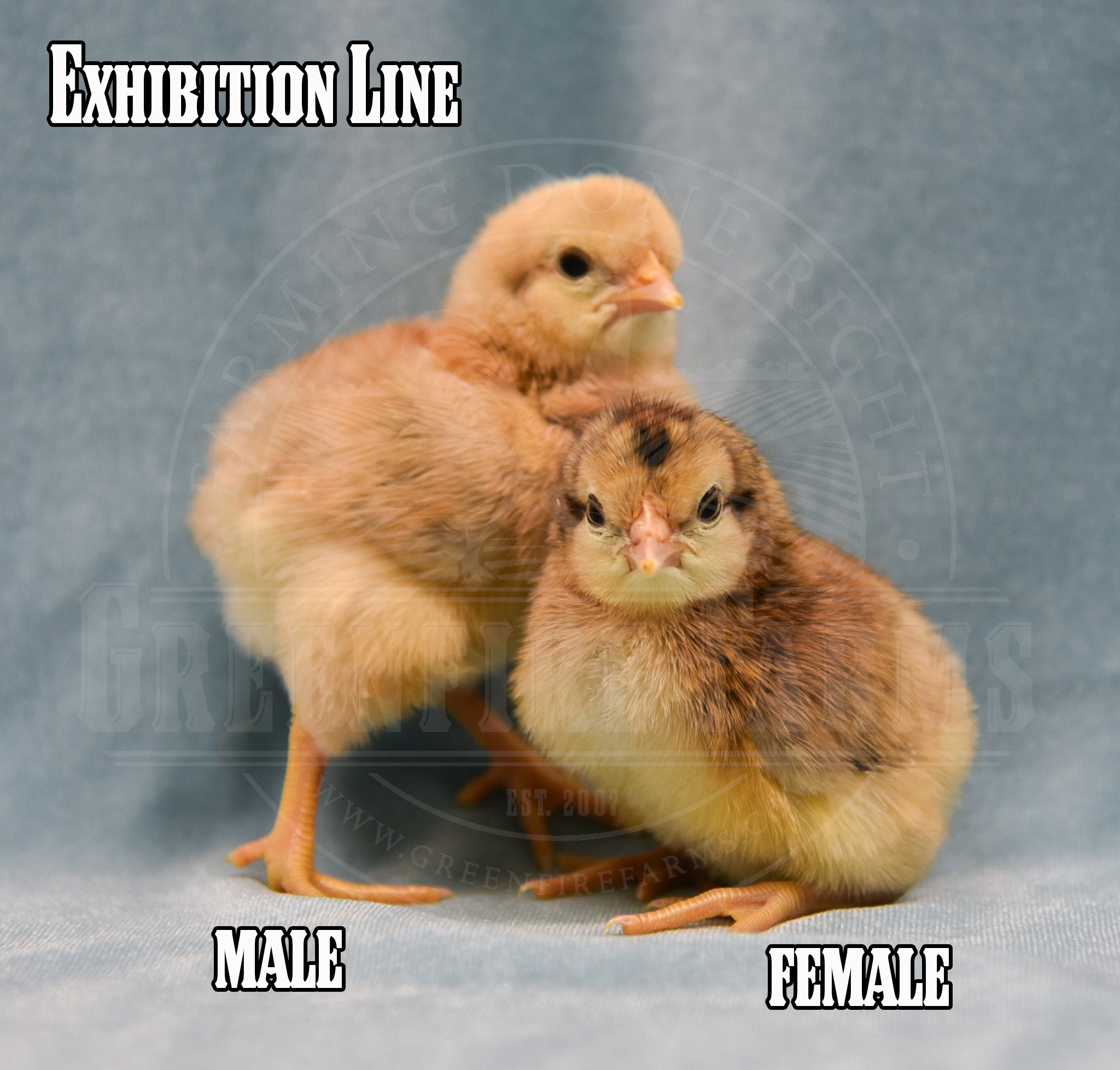
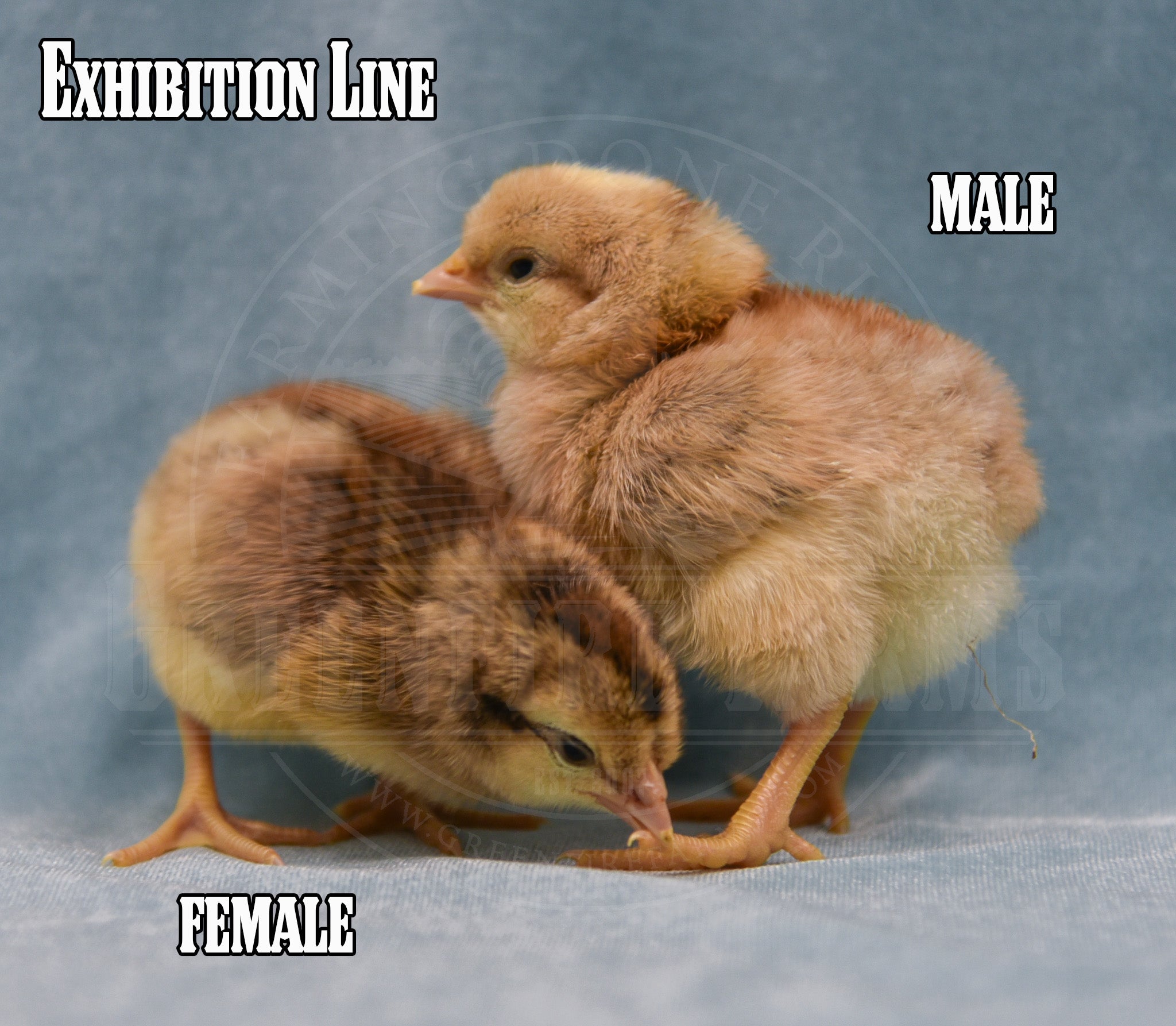
Obsessed with solving this problem was Dr. Reginald Punnett, a professor at Cambridge who essentially founded the study of genetics at that esteemed university. Through experimentation and a little luck, Punnett and his colleague Michael Pease were able to cross a campine rooster with a barred Plymouth Rock hen and produce a chick that was visually sexable immediately after hatching. Male chicks had a white spot behind their heads and female chicks had well-defined “chipmunk” stripes in the down on their backs.  These were powerful visual cues that for the first time in history made sexing chicks a simple task. This new breed of chicken, dubbed the cambar, was shown for the first time at the 1930 World’s Poultry Congress at the Crystal Palace in London. The cambar was the first auto-sexing breed of chicken created specifically for that purpose.  It was nothing less than revolutionary.

After offering the cambar as a proof of concept for auto-sexing  –the cambar was a poor commercial bird and later became extinct– Punnett then departed on a more fanciful path. The second breed produced by Punnett, and the one that reveals his quirky wit, was a combination of at least three breeds: The brown leghorn (for its legendary egg laying ability), the barred Plymouth Rock, and the exotic araucana that by the late 1920s had made its way to Britain from the remote regions of Chile (for its blue egg laying ability and its jaunty feather crest). Punnett’s work yielded a shocking mix of the practical and the whimsical; an auto-sexing breed with flamboyant feathers that cranked out an enormous volume of sky blue eggs. While Punnett would later go on to create more than a dozen auto-sexing breeds, it is this breed, the cream legbar, that today enjoys a place in the commercial flocks of Britain.

In 1929, Punnett began the initial breeding experiments that were to yield the cream legbar. It took almost two decades to produce a bird that was genetically stable and exhibited the odd array of traits first envisioned by Punnett. Cream legbars were first introduced at the London Dairy Show in 1947 and received a written standard by the Poultry Club of Great Britain in 1958. While they probably began as merely a demonstration of Punnett’s skill in manipulating the chicken genome, legbars grew in popularity to fill a niche market in the British egg industry for pastel eggs produced by free-range birds. Today a variant of the cream legbar produces eggs that are marketed under the name of the Cotswold legbar –borrowing the name of Britain’s productive and beautiful pastoral region—and are viewed as the pinnacle of locally produced gourmet eggs in that country.

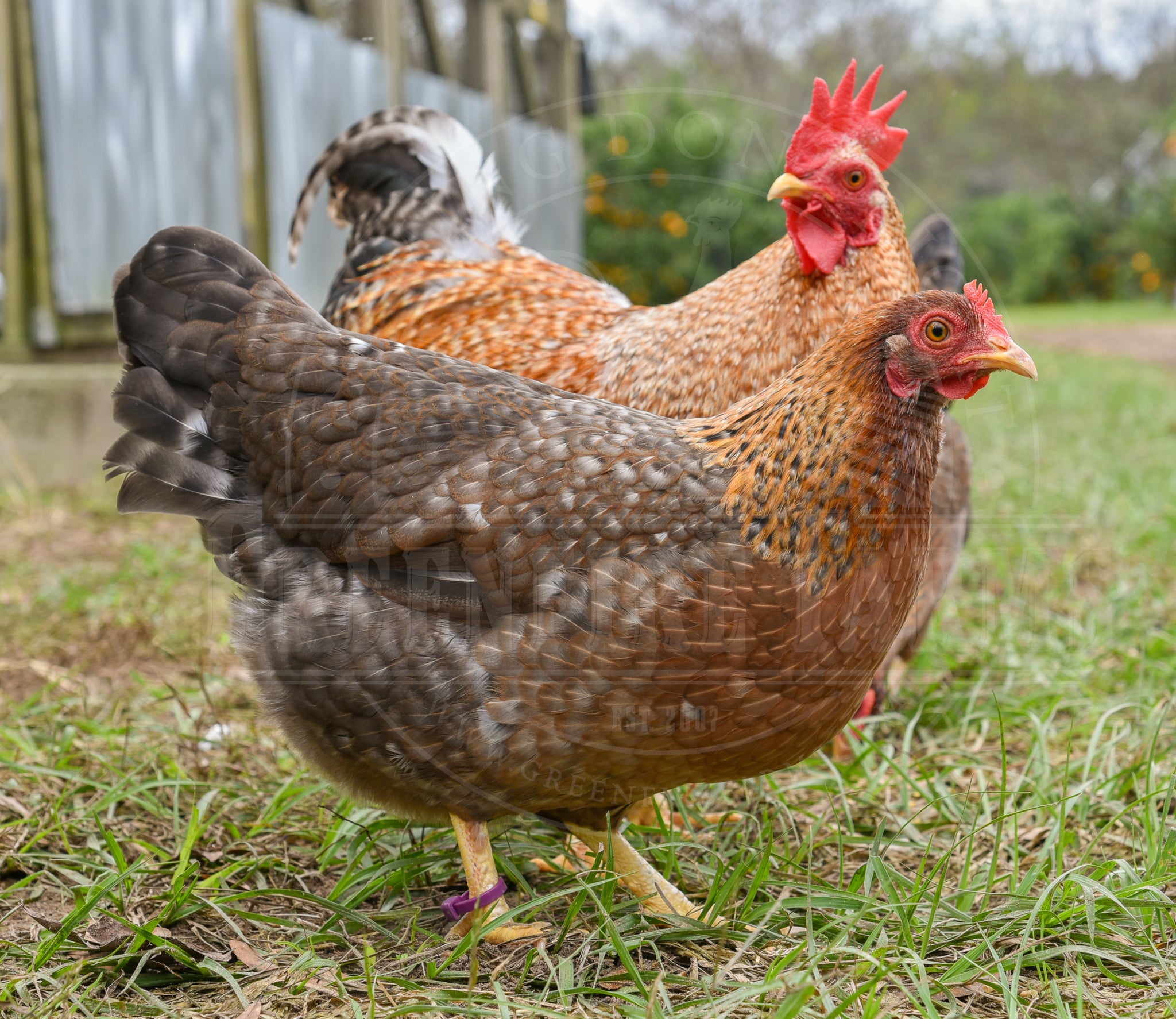
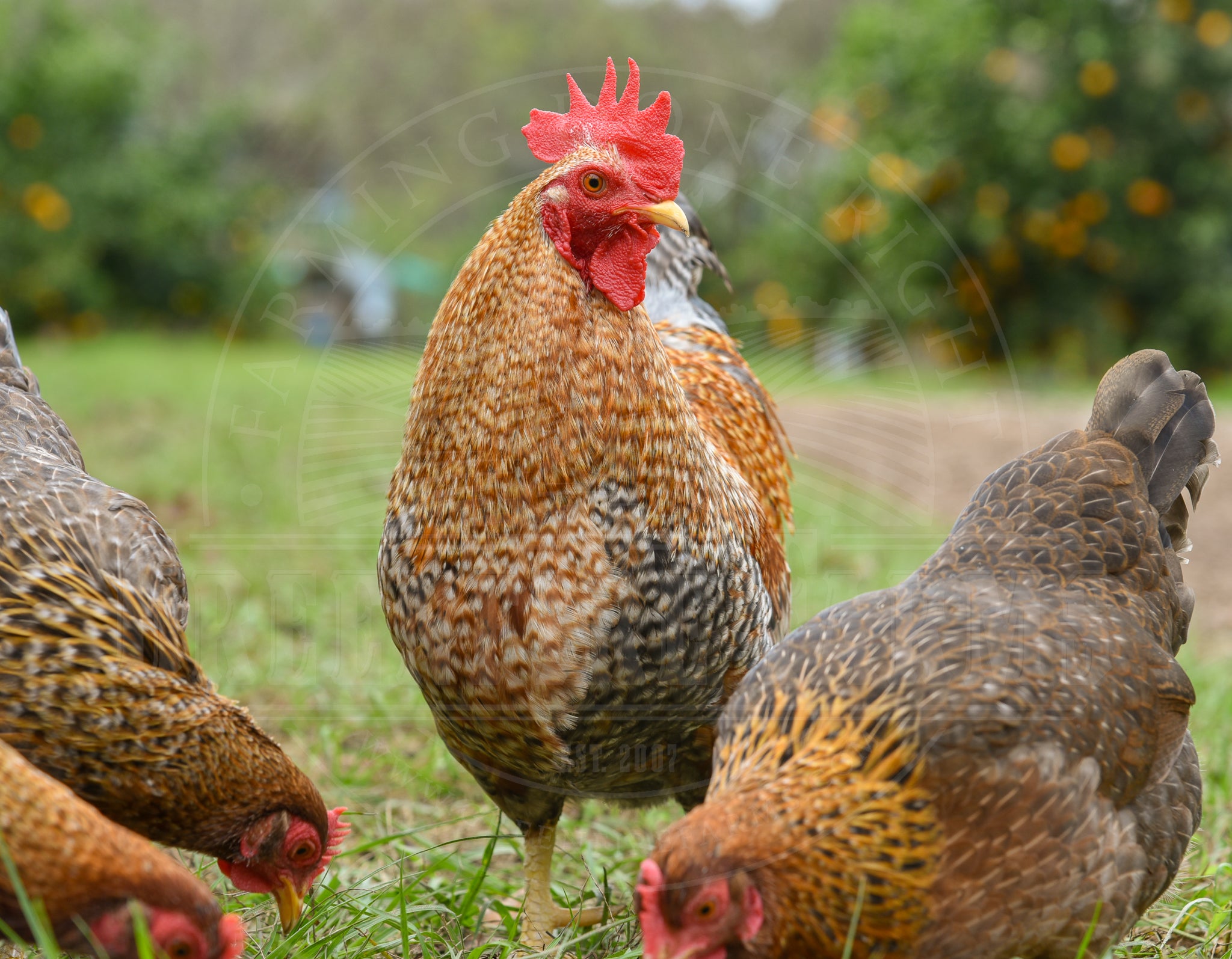
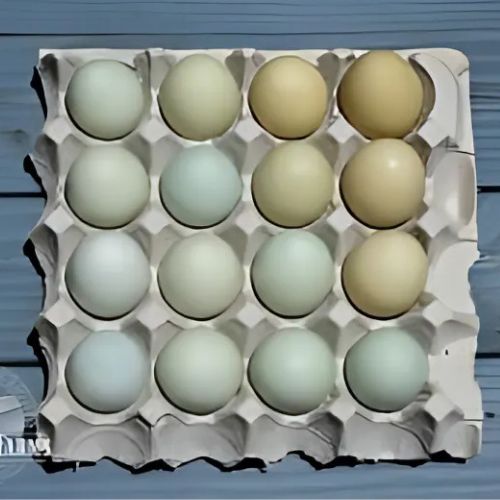
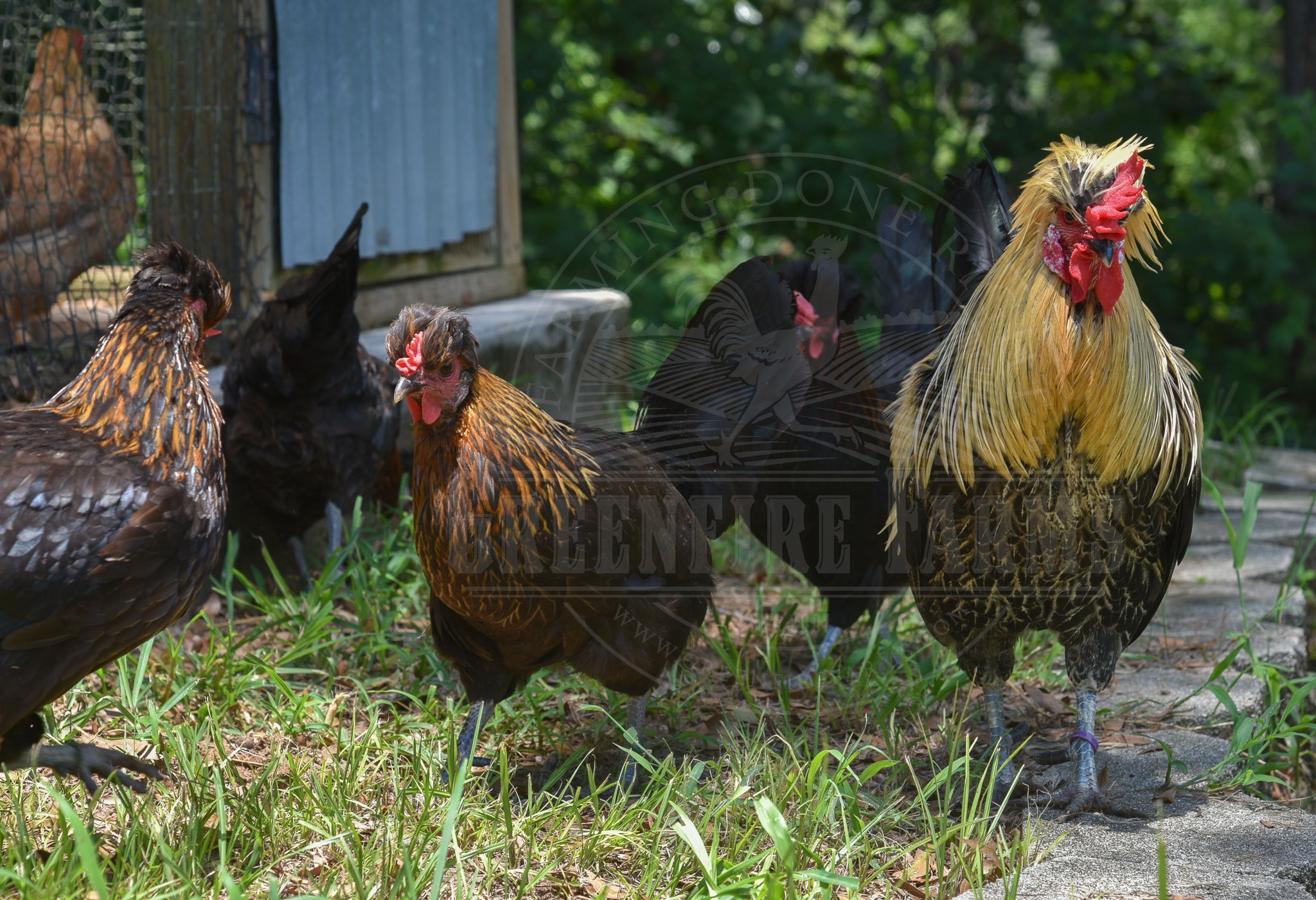
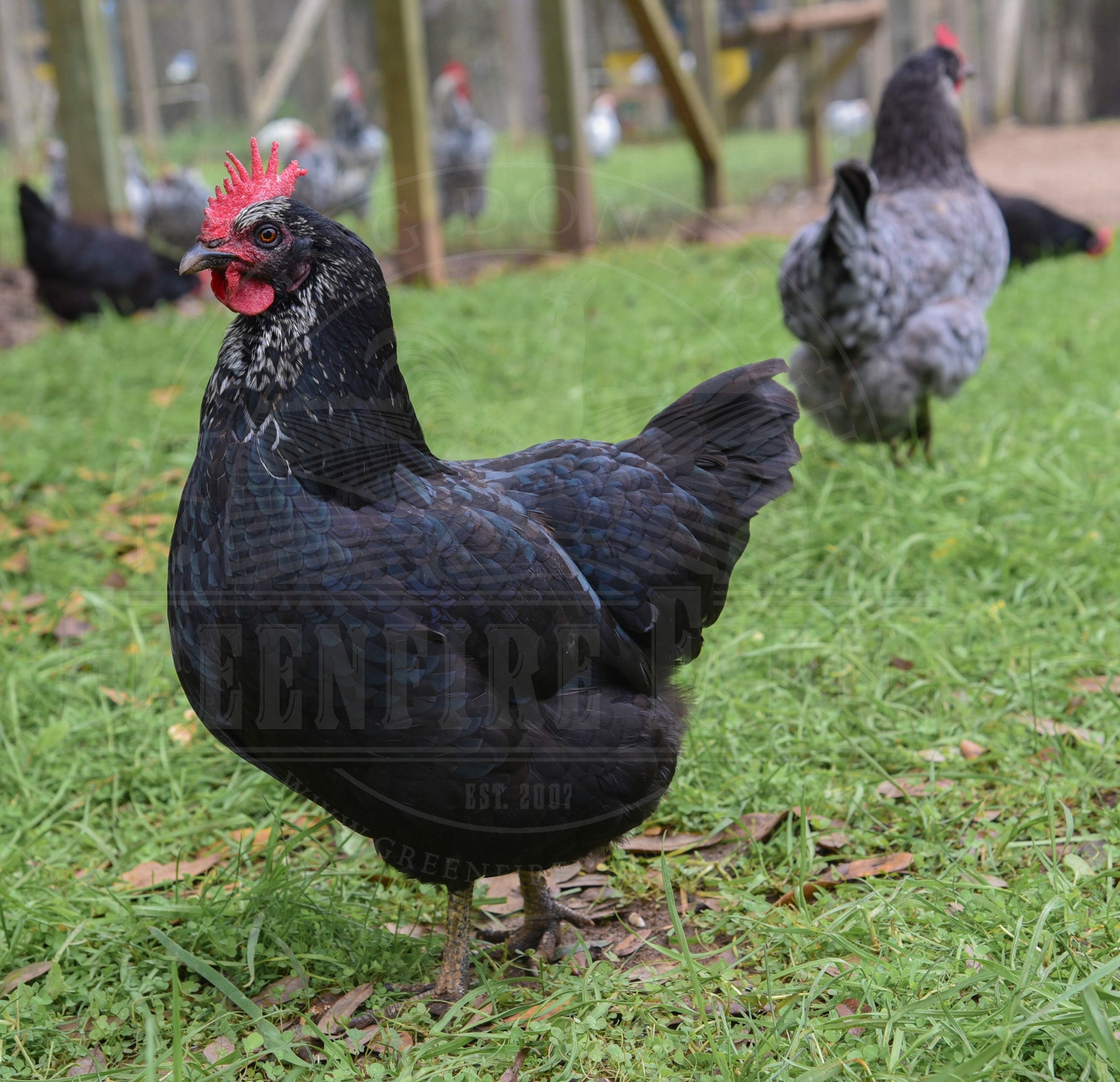
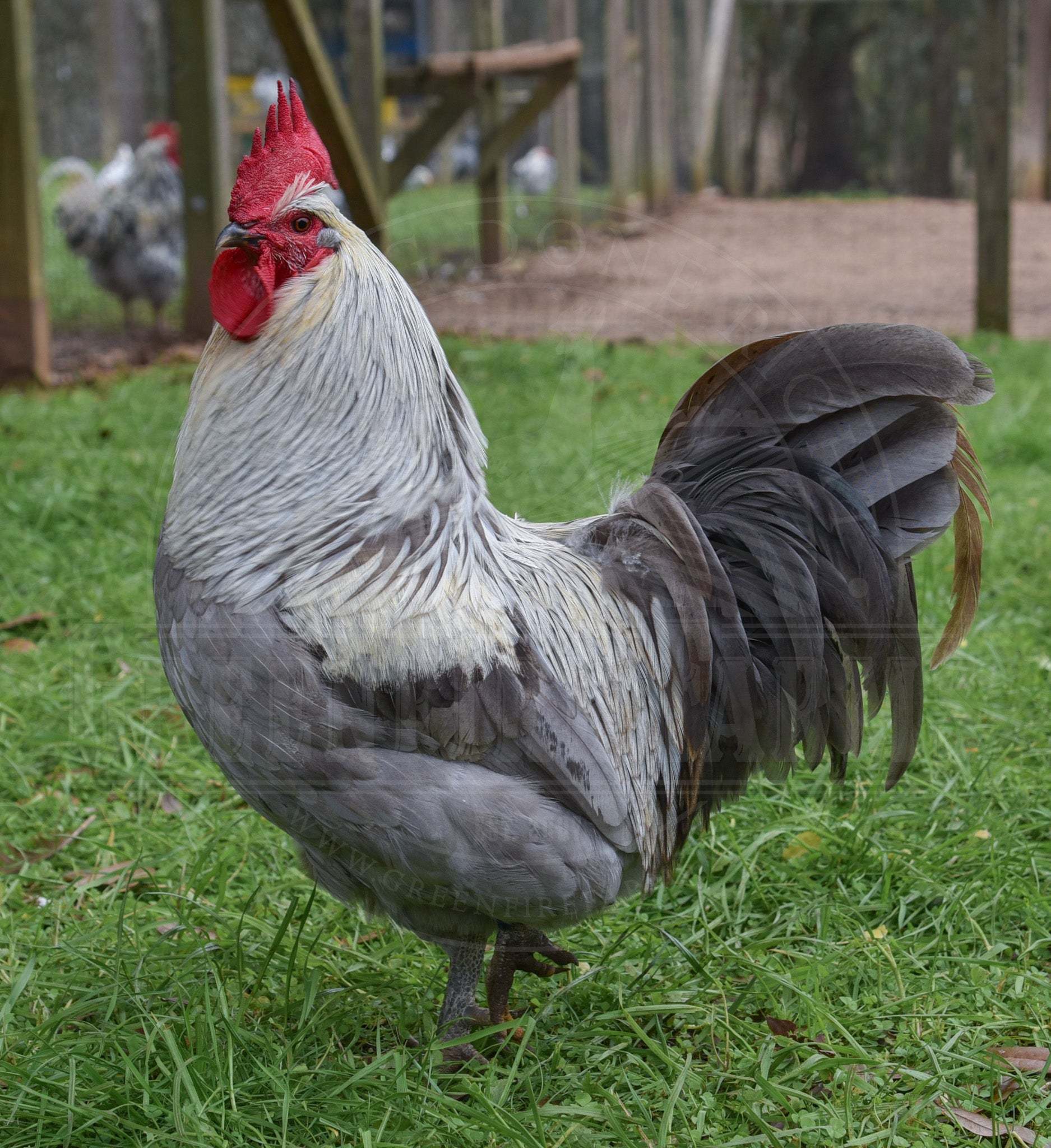
Cream legbars are medium-sized fowl that are known for their active foraging and ability to survive in a free-range environment. The roosters are vigilant and protective of the hens, and the hens efficiently go about the business of gleaning every seed and insect from the fields and pastures they prefer. The hens are rarely broody and produce a large number of eggs.  In 1952, seven legbar hens in England were monitored for a year.  On the average they each laid 260 eggs.  Cream legbar eggs are often deceptive in their appearance.  They tend to be more spherical than most chicken eggs, and because of this they look shorter and therefore smaller.  But, if you weigh the eggs you will find they nicely compare to other breeds.  A dozen legbar eggs selected at random on our farm weighs over 25 oz. which would handily earn them a ‘large’ rating under USDA egg sizing standards.

Given their flamboyant feathering and ability to produce blue eggs, it’s easy to overlook the enormously practical advantage that cream legbars bring to the backyard poultry breeder; their auto-sexing function. It’s a little surreal to see cream legbar chicks hatch and helpfully provide a clear visual signal as to their gender.  It’s a convenience to which we are not fully accustomed in this country.  To better understand that convenience, it’s helpful to grasp the distinction between auto-sexing chicken breeds and sex-linked chickens. Both create a visually sexable chick, but the differences between the approaches are critical.

Traditionally, the American poultry industry has relied on the sex-linked function to create visually sexable chicks. If you go to your local feed store and want to buy visually sexable chicks in the spring, you are buying sex-linked –as opposed to auto-sexing– chicks. Sex-linked chicks are the first generation hybrids of two separate chicken breeds. They are produced by the hundreds of millions each year in large commercial hatcheries. If you allow the sex-linked chicks to reach adulthood and breed with one another they will not produce visually sexable chicks in the second generation. In other words, until recently if you wanted to buy visually sexable chicks in America, you’d be traveling to that feed store year after year to buy sex-linked birds produced by large commercial hatcheries. Your flock of sex-linked birds will not be a self-sustaining flock that can produce visually sexable chicks.

By contrast, auto-sexing chicken breeds like the cream legbar breed visually sexable chicks generation after generation. You can buy a pair of cream legbars now, continue to breed their offspring with each other, and eventually your grandchildren can one day be breeding their progeny and still be producing visually sexable chicks. In this sense auto-sexing chicks are like heirloom vegetables. They have a stable genome that always breeds true, and by saving a little seed stock with each generation you are ready to begin anew each year. Auto-sexing breeds like the cream legbar can help the small-scale chicken breeder to create a self-sustaining, visually sexable flock. With the introduction of the cream legbar to America, this is a new opportunity for American poultry enthusiasts.

In early 2011, two breeding groups of cream legbars was imported into the United States by Greenfire Farms. Not only was Greenfire Farms the first to import this breed, we are the only source for unrelated cream legbars in the United States. Later that year, we imported additional cream legbars with complementary traits. The genetics of these newest imports will be available in many of the legbars we sell in 2013.  We cannot select chicks from a specific breeding group when filling orders.

These groups of auto-sexing chickens form the nucleus of a potential revolution in the backyard flocks of America. For the first time backyard breeders in America have access to Punnett’s ingenious legacy, and given the American penchant for self-sufficiency and tinkering, the cream legbar opens for breeders a new vista of opportunity in this country. Like color of the eggs themselves, that means only blue sky for the cream legbar.


  • How to Order
  • New Arrivals